Home Inspections and Tech Upgrades


Some home inspectors are upgrading their use of tech, and that could mean fewer surprises for home buyers after they move in. Tools such as drones, thermal cameras, moisture meters, sewer scopes and air-quality monitors are increasingly being used by inspectors to uncover problems that may be hidden beneath the surface of a home. AI-assisted software also helps to identify potential property defects or even offer price estimates for repairs.

Read more…

Schools Rule Home Location Choices


Living within walking distance of a school can boost quality of life for families, offering shorter commutes, greater independence for children and easier daily routines. But those benefits often come with a price premium, especially in highly rated school districts, writes Anna Baluch for Realtor.com. Baluch cites NAR data, which shows that buyers will pay more to live in a walkable neighborhood, as they increasingly value convenience over square footage.

When evaluating a neighborhood, experts say buyers should look for continuous sidewalks, safe crossings, traffic-calming measures and good visibility. Michelle Griffith, a luxury real estate broker at Douglas Elliman in New York City, recommends that—before they make an offer—buyers walk the neighborhood multiple times a day to get a good read of what goes on throughout the day and week.

The Final Walk-through

Closing time can be hectic, but it’s important that buyers not overlook the final walk-through. This is the last opportunity for them to ask questions and ensure the property is in the condition they expect prior to closing.

Pets Drive Home Buying


More than two-thirds of U.S. households own at least one pet, with cat ownership increasing 5% and dog ownership increasing 2% last year, according to the American Pet Products Association. What does this mean for real estate? An increasing number of home buyers consider their pet to be a key factor in their decision-making.

Read more…

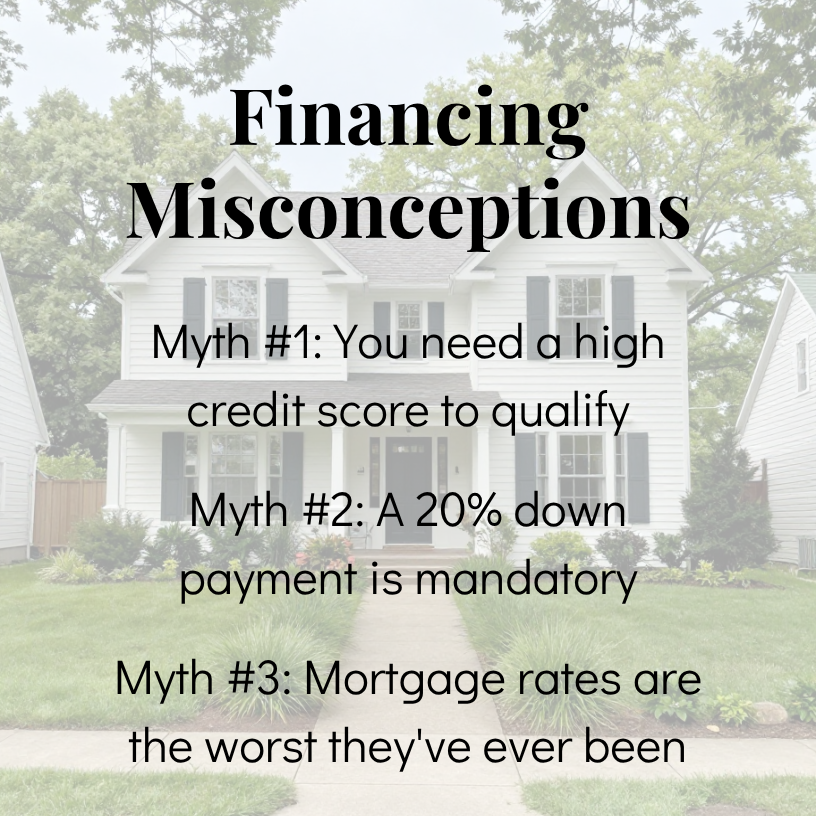
Financing Misconceptions


Myth #1: You need a high credit score to qualify — Buyers can qualify for government-backed mortgages and other conventional loan programs with credit scores around 620 — and in some situations, there is no set minimum. The higher the credit score, the more options a buyer has to get a lower interest rate.

Myth #2: A 20% down payment is mandatory — Many loans can require as little as 3% down for first-time buyers, while some VA and USDA loans don’t have any down payment requirement.

Myth #3: Mortgage rates are the worst they’ve ever been — The peak was actually in October 1981, when 30-year rates hit 18.6%. Rates have bounced around the 7% range in recent years and are currently in the 6.4% range after dipping briefly below 6% in late February.

Have questions? Contact me, I’ll be happy to help!

Buyer Preferences Are Shifting


For years, open floor plans have been the gold standard in residential real estate. Home buyers have long been drawn to the airy feel, openness and sunlight-filled spaces.
 
Yet, in recent years, with the rise of working from home, multigenerational households and a general greater emphasis on privacy, home buyers are beginning to reconsider knocking down the walls of their home.

Read more…

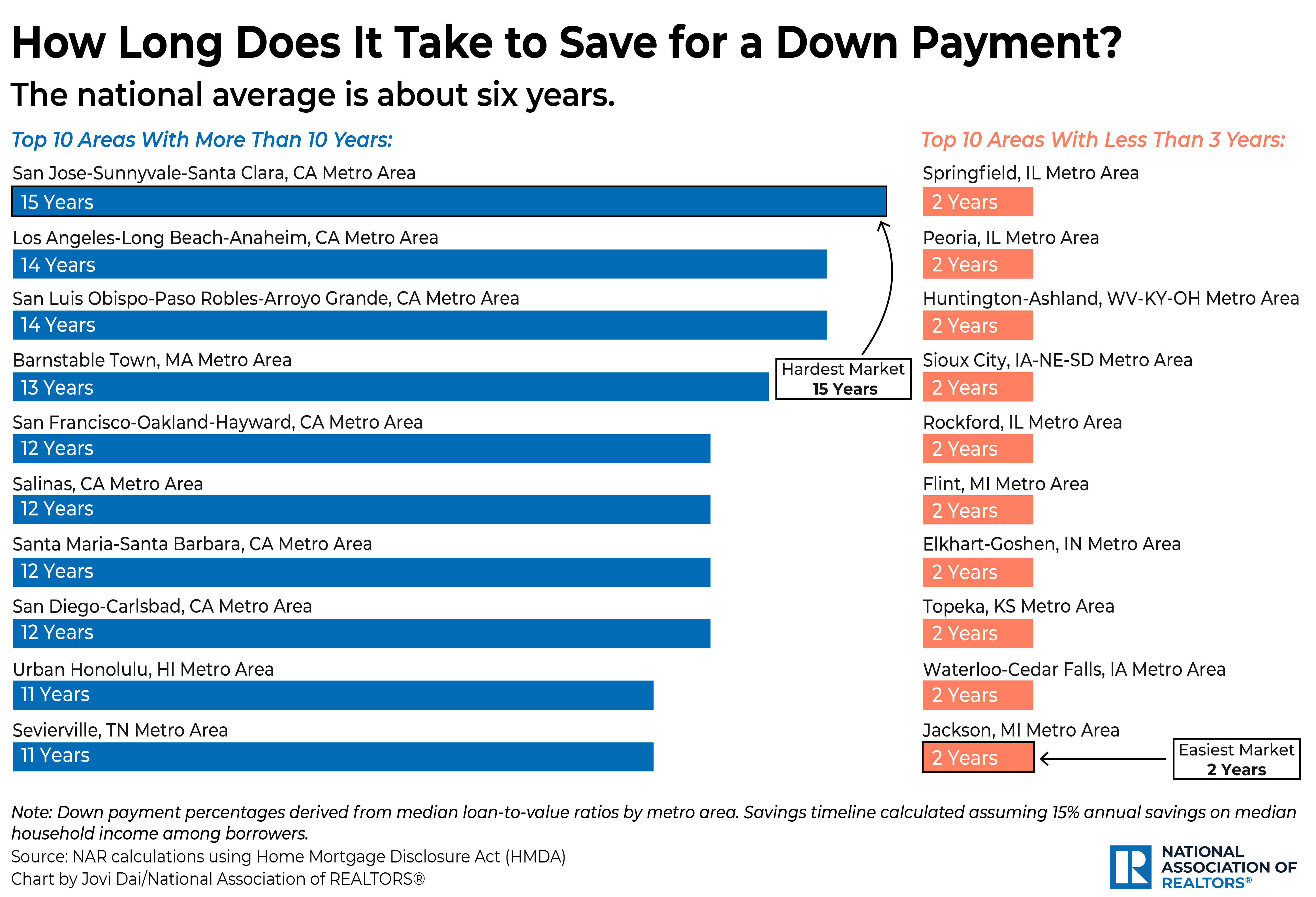
The Down Payment Clock


We talk a lot about how hard it is to save for a down payment. The age of first-time homebuyers has been rising, and the ripple effects are real: delayed homeownership means delayed wealth-building, which means the gap between those who own and those who rent widens.

But, like almost everything in real estate, it’s not the same everywhere. In some markets, the “down payment clock” moves quickly. In others, it moves slowly. And understanding which clock you are on might be one of the most practical insights for buyers.

Read more details…

Outlook for Existing-Home Sales


With sales of existing single-family houses and condos sputtering in the first three months of the year, experts now expect a modest improvement in the housing market for the remainder of 2026 rather than a robust one. The National Association of Realtors cut its 2026 forecast for existing‑home purchases from a 14% jump to a 4% rise after sales fell in March.

Read more…

Tips for Co-buying


The median age of first-time homebuyers hit a record high of 40 last year, according to data from the National Association of Realtors. Low inventory and rising prices have pushed homeownership out of reach for many.

To make housing more affordable, some people are embracing a nontraditional path to owning a home: co-buying with a friend.

Co-buying is a great way for buyers to boost borrowing power, but there are pitfalls. Check out these tips…

New Rule for Non-Financed Transactions

A new federal residential real estate rule aimed at cracking down on money laundering went into effect March 1st. It impacts transactions involving buyer entities or trusts where the purchase is not financed, such as all-cash sales and sales involving non-regulated lenders. Here’s what you need to know…