What Owners Want in Kitchen Remodels

Kitchen revamps tend to be one of the most popular home remodeling projects. About 10.2 million American households tackled a kitchen remodel or replacement work in 2015, according to a recent report from the National Kitchen & Bath Association. Homeowners tend to want new flooring, countertops, cabinets, sinks, and faucets in their kitchen remodels.

The majority of homeowners aren’t spending big bucks in their renovations. Forty-one percent of homeowners’ work in their kitchen remodels was devoted to replacement projects costing less than $1,500. Twenty-two percent of respondents say they had minor remodeling done, between $1,500 to $5,000; 18 percent of homeowners had major remodels completed that cost between $5,000 to $10,000; and 19 percent completely remodeled their kitchens, spending more than $10,000.

Read the full article on REALTORmag…

5 Ways to Save on Home Renovation Costs So You Don’t Go Broke

Is your kitchen hopelessly outdated, and your bathroom a blast from the past? Then it sounds like you’re overdue for some home improvements. There’s just one problem: Remodeling can be a huge undertaking—and a costly one at that. The average kitchen remodel will set you back $60,000; a bathroom overhaul, $17,908. Ouch! But hey, that’s just the average price homeowners pay. Plenty of home renovations can fall way under that wire if you know some tricks to keep your home improvement budget in check. Check out these smart ways to save on home renovation costs to achieve the home of your dreams without blowing wads of cash.

How Trees Benefit Home Values

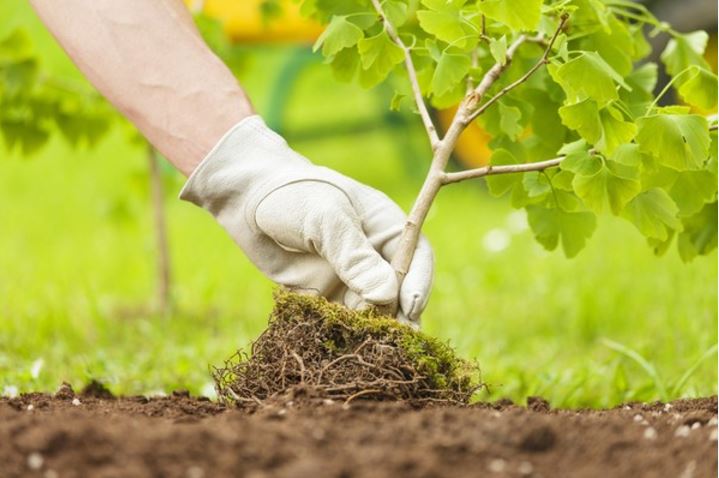
The U.S. Forest Service Pacific Northwest Research Station says that planting a tree in front of a house increases the home’s sale price by an average of $7,130. So, in essence, money can grow on trees.

Planting a tree on the west side of a home can reduce a home’s energy bills 3 percent within five years and 12 percent within 15 years. Specifically, west-side trees can bring summertime electric bills down by an average of $25 a year and reduce air conditioning use by 30 percent, according to the Forest Service.

Trees and other landscaping can also lower the impact of damaging winds on a home, potentially reducing 35 mph winds to 10 mph, according to the Arbor Day Foundation. This also lessens the load on the furnace working to heat the home on those cold, windy days, which can bring energy bills down by 30 percent.

Read more…

Will Tax Changes Benefit Homeowners and Investors?

As the White House shifts its focus to tax reform, analysts are examining who will benefit from the proposal announced last week. The New York Times recently reported that the week’s stock market surge could be attributed to President Donald Trump’s call to cut the corporate tax rate to 15 percent, from 35 percent. However, the article goes on to note that optimism on Wall Street doesn’t always translate to growth on Main Street.

“We have to distinguish between pro-profit and pro-growth policies,” Diane Swonk, an independent economist in Chicago, told The New York Times. “A pro-profit approach increases the share of the pie going to corporate earnings and shareholders. Pro-growth policies increase the size of the pie.”

Treasury Secretary Steven Mnuchin told reporters the plan will eliminate all personal tax deductions other than the mortgage interest deduction and those that encourage charitable giving. However, by increasing the standard deduction the plan will effectively nullify the benefits of the MID for the vast majority of filers, something strongly opposed by the National Association of REALTORS®.

Read the article on REALTORmag…

Top 5 Home Maintenance Tips

Trying to save money? Home maintenance is so much more affordable than emergency repairs. Here are five routine maintenance projects that can help prevent unexpected costs and save you money year round.

  1. Clear out gutters

Water from clogged gutters can overflow and leak into your home. Heavy, ice-packed gutters can tear away from your house in the winter. Grab a ladder, gloves and hose and clear them out while the weather is still warm.

  1. Re-caulk windows

Drafty windows and doors can suck money right out of your budget from high energy bills. Check the caulk and weatherproofing strips around doors and windows to make sure they’re not dried and crumbling. If they are, they’re easy (and cheap) to replace.

  1. Clean the fireplaces

Have your chimney professionally inspected and potentially cleaned annually to prevent creosote, a flammable byproduct of wood burning, from building up. It can create a fire hazard and elevate the risk of carbon monoxide poisoning. Before each use, make sure your damper closes tightly and clear remaining ashes from the bottom of your fireplace.

  1. Check your filters

Clogged furnace and air conditioning filters not only make your HVAC system less efficient, they also can spread unhealthy pollutants and allergies in your home. Dark and mucky filters should be replaced. You don’t even need tools.

  1. Flush the water heater

Neglected water heaters have a way of getting back at you when you least expect it (and that way is usually soggy and expensive.) Clear out sediment particles that collect over time by regularly flushing out water through the drain valve.

Looking for your own home you can maintain or considering a move? Contact me; I’ll be happy to help!

Should You Sell Your Home Or Rent It Out?

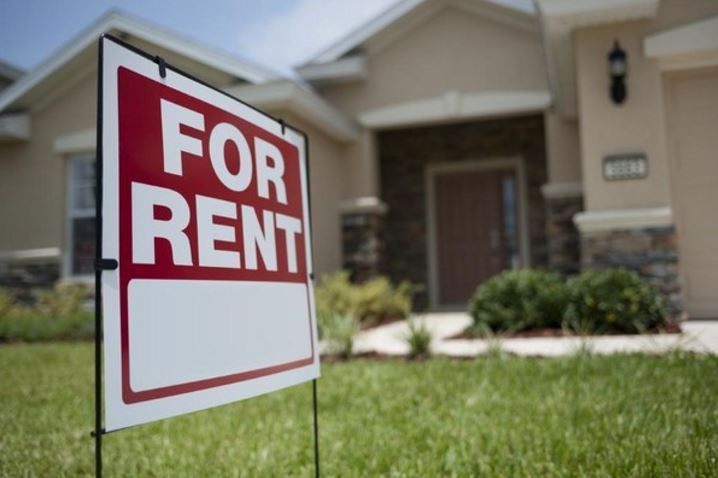
Sometimes, you decide exactly when you’d like to move. Other times, life swoops in and decides for you. Your company might transfer you, a family emergency might require relocation, or you might finally find the love of your life—three states over. Should you sell your house or hang on to it as a rental property? Here are 5 important considerations.

1. Are you gone for good?

Or do you need an exit strategy? If there’s a good chance you’ll return to your current home in a year or two, the money and time you spend selling your home and then buying a new one might make renting it out a smarter option.

2. How’s the rental market?

Look at online rental sites to see what properties in your neighborhood and in similar condition to yours are renting for. Are there a lot of listings? Think about what you might charge and what you might have to do to bring your property up to the market standard. You can then get an idea whether your potential rental income will cover your expenses.

3. Where’s the neighborhood heading?

A lot of factors feed into property values, from national trends to long-term construction plans. An agent can help you understand your property’s potential for appreciation and whether or not it might pay to hang onto it.

4. How much is the hassle of being a landlord worth?

Unless you pay for a property management company (about 10 percent of the rental income), dealing with issues, emergencies and uncooperative renters (sometimes all at once, often in the middle of the night) can be trying. Ask yourself if it’s worth the stress.

5. What are the tax implications?

Each situation is unique, so before you decide to rent out your home consider talking with a tax professional. They can help you figure out how much you can expect to pay in taxes on the rental income.

If you’re ready to sell, I’ll be happy to help! Contact me today!

5 Tips for Budgeting a Remodel

Planning to remodel?

While the total cost of your project will depend on its scope, materials and the fees of any professionals you hire, here are some suggestions for beginning to craft a renovation budget.

1. Determine where the money will come from

Will you use savings? Or will you take out a home equity loan? Once you determine your source of funding, determine how much you want to spend on the project – and stick to that limit.

2. Set your priorities

Before you pull out a calculator, clarify your reasons for renovating. Divide those reasons into “wants” and “needs.” For example, reconfiguring your bathroom so that your currently questionable electrical and plumbing will pass an inspection is a “need.” His-and-her water closets, a whirlpool tub and built-in towel heaters are “wants.” Setting priorities will help you make decisions as you move through the renovation process.

3. Step away from the computer

Visit show rooms, model homes and design stores in addition to checking out pictures online. Before investing in materials and appliances, be sure to see and feel them, or samples of them, in person.

4. DIY or contractor?

The biggest question to answer when creating your budget is deciding whether to do the work yourself, or to hire a contractor. Doing the work yourself is usually less expensive – unless, of course, something (costly) goes wrong. Using a contractor, however, can mean your project is completed to professional standards and usually in a shorter time frame. Be sure to calculate the value of your time (and your back and knees) and the inconvenience of having a bathroom or kitchen out of use during the project when deciding whether to opt for DIY or a pro.

5. Expect the unexpected

Whether you plan to do the work yourself or hire a contractor, add on an extra 15 to 20 percent of your total budget for unforeseen expenses. Added costs inevitably arise, especially if you’re dealing with an older home.

Want to know which home renovations could improve your resale value? Contact me – I’ll be happy to help!

Tax Benefits of Owning a Home: Do You Know Them All?

The joys of homeownership are many: Your own house is a place to make sweet memories, build a financial nest egg, and whittle down your tax bill. Wait, what? Yep, it’s true: Your home can save you a bundle on April 15.

Realtor.com rounded up every last way to take advantage of the tax benefits of owning a home. Read on for the full rundown just to make sure you aren’t missing any, then pat yourself on the back for all the moolah you’ll save!

4 Landscaping Trends for 2017

With warmer weather and longer days on the horizon, now is the perfect time to get your yard in shape for summer. Keep this year’s top five landscaping trends (according to the National Association of Landscape Professionals) in mind as you get started.

  1. Going green (the color)

Combine different textures and shades of green for a more dramatic lawn. Think of mixing leaves of different size and shape as well as plants with a variety of verdant hues.

  1. Going green (the earth-friendly strategy)

More sustainable landscape designs have been becoming more popular over the past few years. Why? They’re better for the planet and can reduce maintenance costs. For example, more homeowners are planting “smart” lawns – varieties of grass bred to stay green with less water.

  1. Giving bees a chance

With bee populations in trouble, people are actually starting to welcome the stingers in their yard by planting native plants that provide the nectar they feast on. The efforts to save vital pollinators is another sign of consumers seeking greener, sustainable practices for their yards.

  1. Going Danish

The Danish concept of hygge is about creating an atmosphere of coziness by embracing life’s simple pleasures. How do you implement hygge in your yard? Add features that promote mindfulness, such as water fountains or aromatic flowers, and arrange seating in a way that encourages conversation. And don’t forget to include spaces that inspire play – for kids and adults. The experts at Gardendesign.com note an uptick in requests for things like bocce courts, fireplaces and hammocks, features to help home owners relax and play outdoors.

Considering a move, or know someone who is? I’ll be happy to help – contact me!

5 Things Every Loving Homeowner Should Know About Their Own Home

Your relationship with your home is one that will hopefully last a long time, so it pays to learn its most intimate details. And not to be weird, but we really do mean intimate: what turns it on (or off), what makes it hot (or cold), and its delicate inner workings.

Because, after all, your home takes care of you—it keeps you warm, safe, well-fed—so it has every right to act a little high-maintenance and demand some TLC in return. Neglect your house, and there could be hell to pay later in the form of floods, electrical outages, and worse.

So as a sort of how-deep-is-your-love kind of test, ask yourself if you know these five things about your home—and if not, maybe you should go find out.