Cities to Watch: 2016’s Fastest-Growing Places

United States

The South and West score big in a new Forbes list of the fastest-growing cities. Factors in the Forbes analysis include population, economic and job growth, and median pay for college-educated workers. Find out where Seattle lands and who rocks the top 10!

Decks vs. Patios: Which Is More Popular?

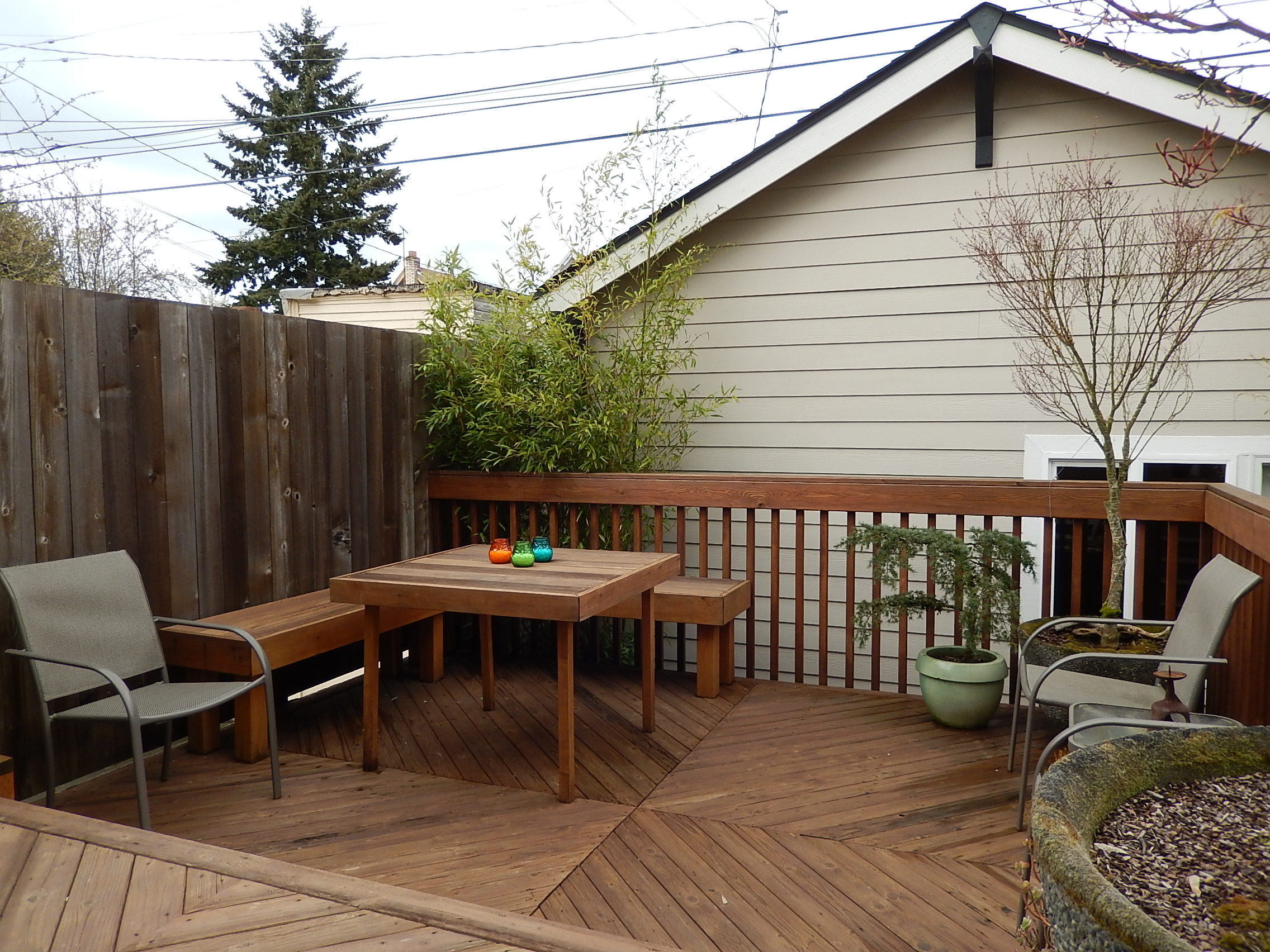
Martin deck

Patios are winning. In 2014, a majority of all new homes – 56 percent – were constructed with a patio. On the other hand, 23 percent of the new homes had a deck, according to the U.S. Census Bureau’s Survey of Construction.

While patios or decks both let you enjoy the outdoors, the differences matter. Patios are like courtyards and can be attached to or separate from a house. They can take any shape and can be built using any type of material. They’re always at ground level so they do not require railings, as decks do. Decks, typically made of wood or composite wood material, are not usually built at ground level so they can be used to enjoy a great view.

Read more…

8 Bad ‘Home Improvement’ Habits

Checklist

Home owners can overdo it when it comes to the upkeep of their home. This Old House recently spotlighted several ways that home owners’ enthusiasm for home ownership may actually harm the house.

Read the article…

Budget Kitchen Remodeling: 5 Money-Saving Steps

Visit houselogic.com for more articles like this.

Copyright 2016 NATIONAL ASSOCIATION OF REALTORS®

Where Owners Pay the Most, Least in Property Taxes

Proceeds from Sale

With tax burdens on the minds of many Americans as tax season approaches and election issues gain steam, one analysis of property taxes in the 50 states finds a wide spread of rates, including some surprising results.

24/7 Wall St. recently analyzed data from the Tax Foundation to review property taxes paid in each state as a percentage of home values to find which state’s home owners pay the most and least in property taxes.

Read the article to learn what the study found…

4 Must-Know Facts About the Last Frank Lloyd Wright

last-frank-lloyd-wright

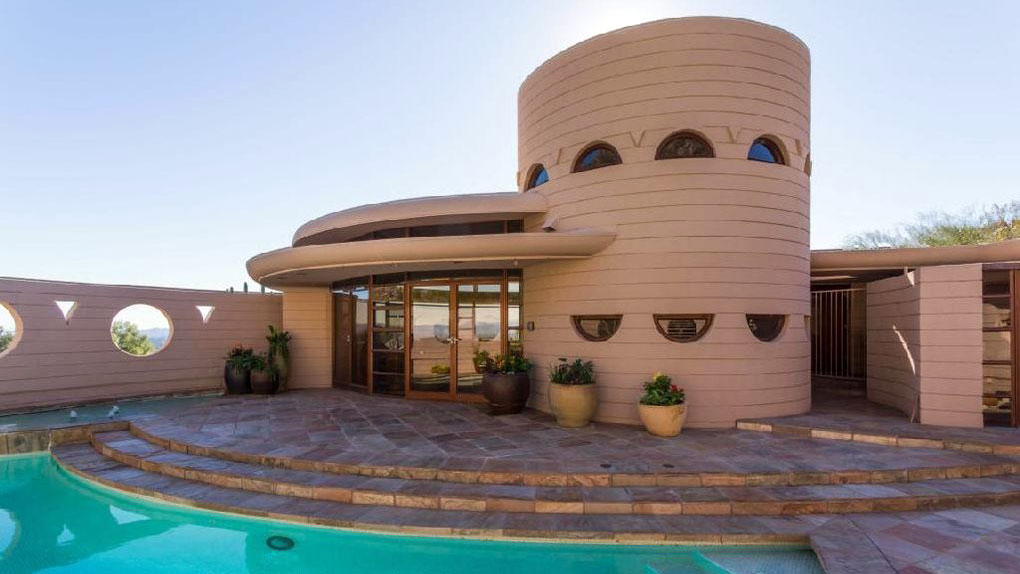
About a month ago, this distinctive three-bedroom, three-bath home in Phoenix went on the market for $3.6 million. This desert dwelling is particularly notable because it’s the final masterpiece designed by Frank Lloyd Wright before he died in 1959.

Its undulating shape, cantilevered space, and porthole cutouts throughout are Wright hallmarks that remind the eye of his design of the Guggenheim Museum in New York City.

I’ve had my eye on Frank Lloyd Wright’s designs for a long time, so enjoy the full story here.

Don’t Miss These Home Tax Deductions

Calculator

Owning a home can pay off at tax time. Take advantage of these home ownership-related tax deductions and strategies to lower your tax bill.

Top 10 Design Trends

2016-01 Item Of Value

The modern home is always evolving. And to get an idea of what it’s evolving to, look no further than what’s happening within its walls today. Select the photo above to view 10 of the top design trends for 2016.

7 Tips to Get a Home Winter-Ready

Fall

Winter is on the way, and home owners should preparing their homes for the colder temperatures. The National Association of Home Builders Remodelers suggested home maintenance tips to increase energy efficiency and lessen the chance of emergency repairs.

Vacant ‘Zombie’ Foreclosures Down 43% in Third Quarter 2015 Compared to a Year Ago

US

RealtyTrac recently released its Q3 Zombie Foreclosure and Vacant Property Report, which shows 20,050 residential properties in the foreclosure process – but not yet repossessed – were vacant “zombie” homes as of the end of the third quarter of 2015, down 27 percent from the previous quarter and down 43 percent from a year ago. Vacant residential properties in the foreclosure process accounted for 1.3 percent of all vacant residential properties, with bank-owned homes (REO) accounting for another 1.9 percent of all vacant properties as of the end of the third quarter. The report shows a total of 1.5 million vacant U.S. residential properties, 1.8 percent of all 84.7 million U.S. residential properties.

Read the full story…