
Fall can be a focal time for your garden. Rather than pruning back perennials and cleaning up tools, take some time to scrutinize your entire outdoor environment. Here are four areas that may help your garden get a jump on spring…
Category Archives: Home Owners
Claim Energy Efficiency Tax Credit for Homeowners Before it’s Gone

The federal government wants to encourage homeowners to make their homes as energy efficient as possible. To do so, back in 2005 Congress enacted a tax credit for “nonbusiness energy property.”
This was a tax credit (subject to a $500 lifetime cap) for certain energy efficiency improvements to a taxpayer’s existing principal residence. The credit expired at the end of 2011, but was brought back from the dead by the fiscal cliff tax deal back in February. It was made retroactive to apply to 2012 and then expire at the end of 2013.
So, if you haven’t used up your lifetime $500 limit already, 2013 could be your last chance to do so.
Study Finds 8.3M Homeowners on Verge of Positive Equity

Home prices have rebounded so rapidly that RealtyTrac is reporting 8.3 million borrowers who’ve been underwater are on track to have enough equity to sell their home within the next 15 months-without resorting to a short sale.
Metro markets that boast the highest percentage of homes with resurfacing equity include Omaha, Nebraska; Colorado Springs, Colorado; Tulsa, Oklahoma; Little Rock, Arkansas; and Raleigh, North Carolina.
Singles Make Up Quarter of All Buyers
More Americans are opting to live alone, with single buyers making up a quarter of all home purchases last year, according to the National Association of REALTORS®. In the U.S., there are 33 million one-person households, and living solo is becoming an international trend, MSN Real Estate reports.
Why are so many living alone? People are marrying later, divorcing more, and living longer, sociologists say.
What IRS Recognition of Gay Marriage in every state Means for Real Estate
One of the principle legal questions left in the wake of the United States Supreme Court’s decision striking down key portions of the Defense of Marriage Act (United States v. Windsor) was the tax impact it would have on same-sex spouses. That is, would the IRS now recognize the marriages of same-sex spouses who live in any state, or only in those states that legally recognize same-sex marriages?
For example, if a same-sex couple was married in Massachusetts (which recognizes same-sex marriage) but lives in Florida (which does not recognize such marriages), would the IRS consider them married?
Experts’ Top Home Improvement Projects for a Booming Housing Market

More consumers are dusting off their cordless drills, tape measures and jigsaws, or at least are shelling out for paint, spackle or flooring products. Home remodeling is on an upswing, according to the National Association of the Remodeling Industry. A byproduct of rising home sales during this past year, new homeowners are spending more at big-box stores such as Lowe’s and Home Depot for their DIY projects. Home sellers are also adding to the increased sales at home improvement stores as they spruce up a home before putting it on the market. TV programmers, meanwhile, have been paying attention — and adding new home-improvement series or renewing old ones.
Simply Home Newsletter, September 2013

This Newsletter includes the following articles:
- Nature’s Palette
- A Healthy Companion
- LEDs, CFLs or Incandescent
- More than a Jack-o’-lantern
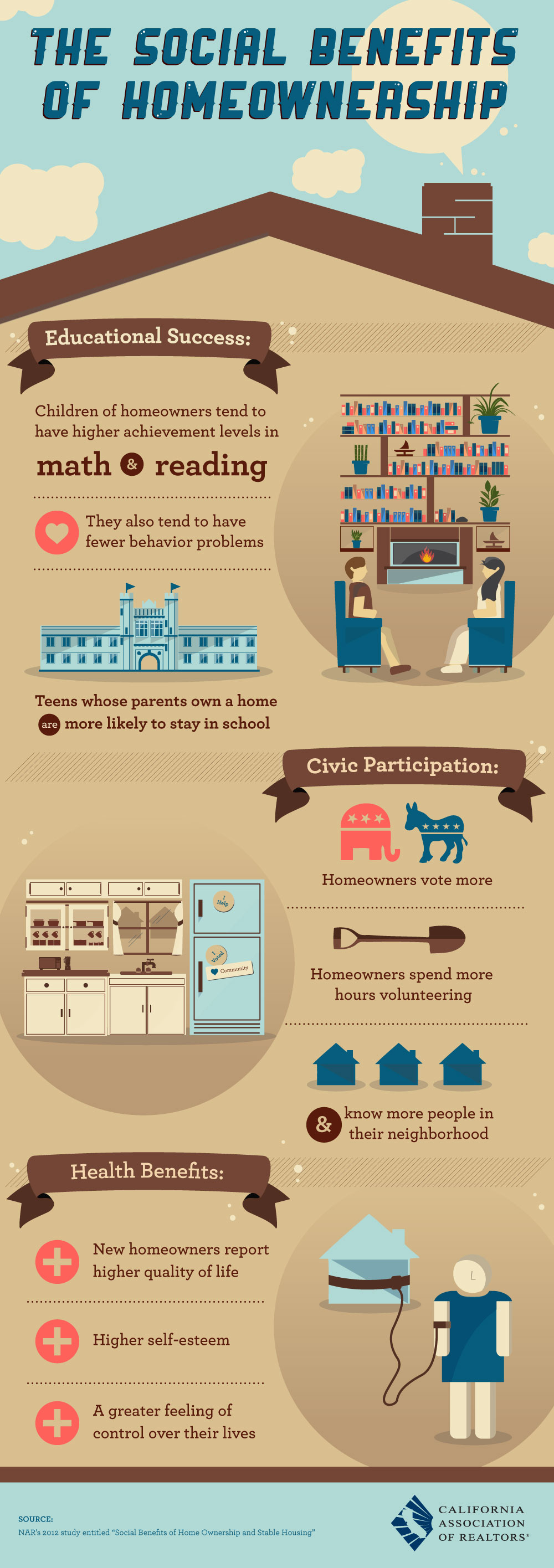
The Social Benefits of Homeownership
The President Moves on Housing Reform
With the great housing reform debate underway, the White House recently weighed in with President Obama’s plan for the future of housing finance in America. The President laid out a vision for housing finance, with key elements similar to those embraced by many stakeholders in the nation’s housing finance system. This is an issue that affects the well-being of every American, whether a homeowner or a renter, and we welcome the President’s attention and leadership.
It Pays for Landlords to Qualify as a ‘Real Estate Professional’
Until this year, landlords who earned profits from their rentals didn’t have to worry about whether they qualified as a “real estate professional” for tax purposes. The only reason to seek to qualify as such was to avoid application of the incredibly complex passive loss rules.
These rules are designed to prevent landlords from deducting rental losses from their other non-rental income. So if you didn’t have rental losses, these rules didn’t concern you and you could care less whether or not you were a “real estate professional.”
This has now changed. Qualifying as a real estate professional will now benefit many landlords who earn profits from their rentals because, by doing so, they won’t have to pay the Net Investment Income tax (NII tax) on them.
 Managing The Real Estate Details