How to Create a Productive Study Space at Home

With summer coming to a close, we’re back to the season of early mornings, school buses, backpacks, and busy schedules. As your family prepares for the academic year, now is the perfect time to create a productive study space that keeps your kitchen counter free from overflowing homework and school supplies.

Here are four tips for setting up an inspiring study area that blends comfort, functionality, and personality to boost focus and motivation.

1. Create a comfortable workspace

After a long day in the classroom, the last thing your child needs is an uncomfortable study environment.

To maximize comfort while prioritizing work efficiency, invest in a cushy chair with good back support. Add a cozy throw blanket as cooler weather approaches. Up the ambiance with a calming scented candle and soft music – like songs from minimalist, classical, piano, or low-fi genres – to maintain focus, enhance relaxation, and avoid distraction.

2. Stock up on supplies

Fill desk drawers with pencils, pens, markers, sticky notes, paper, flashcards, and notebooks. This can make for interactive note taking, and will help ease stress when it comes to last-minute projects and assignments. Keep school supplies organized with things like drawers, bins, pencil holders, and a file organizer.

It’s no surprise that technology has become increasingly prominent in the classroom. According to a 2023 survey from ZipDo, 89% of K-12 teachers incorporate educational technology in their classrooms daily. Therefore, consider making technology more efficient in the study space. This could include adding extra chargers, headphones, extension cords, a printer, or even a computer monitor to make switching between tabs seamless, especially when studying for a big test.

3. Ensure good lighting

Good lighting is essential to productivity as well as mood. Ensure your child’s study space is well-lit to help them stay focused and energized while completing their homework. Place the desk by a window for natural light and add a lamp nearby to brighten the area at night.

Consider color-changing lightbulbs that easily adjust from bright white light, which is energizing and enhances focus, to warmer, yellow-toned light, which creates a relaxing atmosphere for winding down after study sessions.

4. Personalize the space

A designated study area that reflects your child’s personality can make a significant difference in their productivity and contentment. Make it an enjoyable place they love spending time in – and check with them while decorating so they have a hand in curating their special space.

Add floating shelves to display photos, favorite books, inspirational quotes, achievements, and artwork. This keeps the desk area free of clutter while still showcasing their personality. Hang up a calendar or planner nearby to help keep track of assignments and deadlines. Then, add fun elements like pops of color, wallpaper, house plants, and more. The key is to create a zone that’s both organized and inviting, combining creativity with efficiency.

Looking for an A+ home of your own – one with ample study space? Contact me today!


How to Create the Ultimate Staycation Spot at Home This Summer


Staying local this season? Here’s a few ways to create a lovely staycation in your own yard.

Summer is a favorite time for a relaxing vacation – and avoiding plane flights or long car rides can create an even more restful experience. For many, the perfect destination is the closest one: Home.

Consider these ways to create the ultimate staycation spot in your own yard this summer.

Level up lounge chairs

Chances are, you’ll want to spend a lot more time in your yard if your outdoor furniture is comfortable. Grab some resort-like lounge chairs or upgrade upright chairs with weather-proof cushions.

Other ideas? Opt for a hanging egg chair, traditional hammock, or swing. Sway about as you soak up the sun, catch some ZZZs, or get lost in a good read.

Get shady

Having a way to spend time outdoors without getting too much sun is important. Try implementing an umbrella or shade covering over your designated lounge space.

For a more permanent solution, consider adding a pergola in your yard. Not only do they provide some coverage by day – especially with cover functionality built in – but they can also be a good place to hang string lights for a twinkle at night.

Add games galore

Your outdoor space can be a place of rest – or, it can be a place of competitive fun. This summer, set up your favorite games (depending on how much space you have to work with) and host a game day with family and friends.

A few classics:

• Badminton
• Cornhole
• Kan Jam
• Giant Jenga
• Croquet
• Spikeball®
• Kubb

Find a fire pit

Spend summer nights cozied up around a fire in your very own yard. Whether it’s wood burning or gas, a variety of sizes and shapes can fit various spaces. Tabletop options work for those who want the essence of a bonfire – but on a micro-level.

Be sure to abide by local fire regulations and implement best safety practices when using your fireplace.

Stock up on summer supplies

When you’re on vacation, you may seek out your favorite sweet snacks. So do the same thing on your staycation! Stock the freezer – or patio cooler cart – with your favorite summertime treats, like ice pops, ice cream sandwiches, refreshing beverages, and more. Or, DIY the ice cream parlor experience at home with pints in fun flavors, cones, and toppings. Plus, if you have a fire pit, don’t forget to grab all the fixings for ooey-gooey s’mores.

Other essential supplies include sun protection (SPF cream, hats and visors, etc.), bug repellant spray (or citronella candles), unbreakable dishware, grilling supplies, and pool floats if applicable.

Decorate

Time to set the scene for a seasonal oasis. In addition to the string lights mentioned above, find fun ways to add color and personal flair to your outdoor oasis. Add a weatherproof rug to help frame a seating area, and add bright hues with potted flowers dotted about.

Doing some yard maintenance will freshen up the space, too, like regular mowing and watering of the lawn, and plucking of weeds from garden beds. Plus, add a fresh coat of mulch or rocks, or even new bushes and plants, to change up the overall look. In some places – like dryer climates – some people opt to xeriscape their yard, saving on water usage and getting creative in the design process.

Looking for a new home this summer? Contact me today!


Looking to Xeriscape Your Yard? 3 Steps to Execute a Drought-Friendly Design

In drier climates, some people ditch the grass and get creative with other natural elements. Find out ways to save on water and spruce up your home’s outdoor space.

Nurturing a luscious lawn can be a difficult task, especially for those who live in dry climates.

According to the U.S. Environmental Protection Agency, the average American family uses 320 gallons of water per day – and 30% of that goes outdoors, for purposes like watering the lawn. Many homes in the nation’s driest climates – especially in the Southwest – devote 60% of their household’s water usage to outdoor purposes.

Although arid environments provide harsh conditions for a vast array of flora and fauna, many desert-area communities have strict limitations on using water for landscaping purposes. That’s one reason for the popularity of xeriscaping, an artful landscaping design requiring significantly less water usage than a traditional lawn.

Looking for a lower-maintenance option for your yard? Here are a few steps to consider:

1. Make a plan

Each and every outdoor space looks different. Assess your yard’s needs and determine the best plan for transitioning to a less-water-dependent environment. Some homeowners choose to xeriscape a full front yard or back yard, while others opt for keeping partial grass and repurposing select spaces, like garden beds.

Tip: Observe how the sun moves across your yard throughout the day, taking note of places that receive the most natural light. This can help determine where certain plant species may thrive better than others when you arrange the new elements in your yard.

Planning in advance can also dictate where to group specific plants together depending on their water usage needs. Though xeriscaping requires less water than grass, the plants you choose will likely still need semi-regular watering depending on their unique parameters.

2. Choose resilient plants

It’s essential to find plants that survive in xeric conditions. Cacti and succulents are popular picks – with hundreds of yard-friendly options to choose from.

One way to cover vast areas of yard is with ground cover plants, which are short in stature but quick to sprawl across an open space. Plenty of these plants, like those in the phlox family, are known for blooming vibrant flowers in shades of pink, purple, blue, and yellow. Other popular options include dianthus, creeping thyme, and star creeper, just to name a few. Many ground plants still need regular watering (especially during prolonged dry spells), but far less than traditional grass.

And, speaking of flowers, a sampling of popular desert-dwelling bloom variants include coneflower, lavender, tickseed, and some types of poppy (among many others). Not only do flowers like these require little water compared to wet-climate alternatives, but they also can add splashes of vibrant color to any outdoor space. Plus, these blooms – along with countless others born to thrive in dry places – are perennial, meaning they grow back each year and won’t need to be re-planted.

Head to a local gardening center and ask what plants and flowers are native to your area. Not only might some of these be great choices for your xeriscaping journey since they’re built to last in your area, but you may also find some that can benefit members of the local ecosystem, like butterflies, pollinating bees and other essential bugs.

3. Don’t forget: rocks rock!

Rocks can add dimension to any outdoor space. You can use larger rocks to frame garden beds and line walkways, creating an aesthetically pleasing design or providing value by steering passersby away from prickly plants. Plus, smaller rocks, gravel, and mulch can fill larger spaces and surround plants. This type of coverage makes it more difficult for pesky weeds to thrive.

If you’re looking to save on water and shake up the appearance – and function – of your outdoor space, consider switching to a drought-tolerant design.


6 Ways to Make a House Feel Like Home During the Holiday Season

The holiday season is here! It’s the perfect time to relax, reflect, and gather with friends and family.

Here are six tips for enjoying a cozy home while it’s all happening:

1. De-clutter and clean

Whether your home will be a hub of activity or a calm oasis, it’s a good idea to tidy up and end the year on a clean note. Start by storing past-season décor and clearing surfaces and countertops. Consider how many coats and shoes are taking up space in the entryway, too.

Then, give your home the deep clean it deserves. Dusting and vacuuming – as well as wiping down the bathrooms and kitchen – will set you up for peace of mind all season long.

After sprucing up your space, celebrate your efforts by cozying up to watch your favorite holiday film.

2. Change up picture frames

Year-end is a great time to refresh your rooms by swapping out your framed photos. A lot has probably happened during the year – and displaying your photos is a fun way to spark conversation and relive the moments. It’s an instant connection to your best memories and your favorite people or places.

3. Consider lighting choices

Help the holiday season feel merry and bright by adjusting the brightness inside your home. According to a RE/MAX agent and interior design expert, lighting plays an important role in setting the tone for a space. And the shade of the lightbulbs themselves can impact the experience in a room.

“We can use light to control the way a space visually expands and contracts. Bright light helps a space feel larger and cleaner in some circumstances, whereas dim light makes the space recede, feel more intimate, and can also be used to hide things,” says Jeannie Do, a member of The International Group with RE/MAX Professionals in Lakewood, Colorado.

The lightbulb shades are typically listed on the packaging, described in ways like “natural daylight” or “warm white.” Do recommends shopping for bulbs between 3,000 and 4,000 Kelvin degrees for balanced lighting.

4. Give the guest room some TLC

Have guests coming into town? Make sure a spare bedroom feels like home-away-from-home for your visitors.

First and foremost, remove your own items that ought to be stored elsewhere. Then, give the room a deep clean – it’s likely dusty if it’s not used as much as other rooms. Next, prepare the bed by washing the sheets, fluffing pillows, and keeping extra blankets close by for chilly nights. Don’t forget to leave clean towels, too, and replenish essentials like hand soap and shampoo in whatever bathroom guests will use.

5. Set a wow-worthy dining table

For many people, eating is a major part of gatherings. This is especially true around the holidays, where customs and traditions – in the form of family recipes – are upheld or evolved with modern twists. Help make your dining area inviting and eye-catching by sprucing up the table.

Simple additions to elevate the space could be a runner, placemats, and decorative napkins. Get creative with a seasonal centerpiece – some opt for greenery, garland, tapered candles, flowers, or a mixture of multiple elements.

6. Bring on the festive flair!

There’s no right or wrong when it comes to the timing of putting up holiday decorations. Whether it entails stringing up lights outdoors or decking the halls indoors, decorate your home with festive flair that brings joy to everyone.

In addition to holiday-specific items, create an ambient wintry atmosphere with plush blankets, fun throw pillows, and seasonally scented candles (think balsam fir or vanilla spice). Consider stocking up on holiday items like festive-flavored coffee and tea, hot cocoa (and marshmallows, of course), baking supplies, and any other goodies that bring warmth and happiness this season.

Searching for a new place to spend the holidays? Contact me today!


3 Overlooked Tasks That Help a Home Get Ready for Winter

These practical pointers can help ensure your house is prepared to take the chilly season by “storm.”

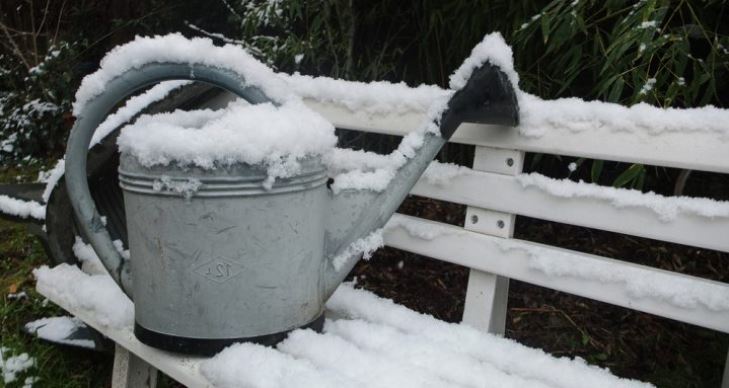
While many are enjoying a temperate fall, people in some locations (like Denver, Colorado – home of the RE/MAX World Headquarters!) have received their first snowstorm of the season. The glistening blanket of untimely snow is a great reminder that it’s time to prepare your home for wintry weather on the way.

Most homeowners have a list of regular seasonal tasks they complete, which may include covering up patio furniture, blowing out the sprinklers, making sure the heating system is good to go, and more. But a few other, lesser-known tips can also make a big difference in creating a comfortable environment for the wintertime.

Have you completed these often-overlooked winter home-prep tasks?

1. Conduct an energy audit

It’s important to have an effective HVAC system for your heating needs, whether it be via forced air, baseboard radiators, and electric, to name a few. But in order to keep costs down, be careful that you’re not expending more energy than necessary.

Consider hiring a professional who can conduct a home energy audit to identify places in each room that could be optimized for energy use. For example, according to the U.S. Department of Energy, about 30% of a home’s heat is lost through windows alone. If drafty windows are an issue, look into different methods of sealing cracks and air leaks. Some popular DIY fixes include weather stripping tape or caulk.

If your heat is generated from a furnace, ensure you’re regularly cleaning the air filters, which gather dust and debris over time.

An energy audit can also determine if the structure’s insulation is outdated and identify what areas – like the attic, crawl space or basement – might need bolstering. Plus, it can help uncover lighting that could be upgraded to energy-saving options, like LED bulbs.

2. Switch the direction of a ceiling fan

If you thought ceiling fans were useful only in the warmer months, think again. A ceiling fan can actually be a helpful aid in keeping a room toasty in the winter – but there’s a trick to getting it to work in your favor.

In the summer, your ceiling fan should be set to spin counterclockwise, which creates a cold downdraft. But when winter is on its way, you should reverse the direction to clockwise, which helps circulate warm air. To make the switch, start by turning the fan off and waiting for the blades to come to a complete stop. Then, check the base of the fan for a switch – and simply flip it to make your fan winter-ready.

Once the direction of the fan is reversed to accommodate heat, it’s also recommended to keep it at the lowest speed to prevent an unwanted breeze. This circulation of warm air should prevent the need to crank up the thermostat – an impulse which can get costly.

3. Stock up on seasonal supplies in advance

In life, it’s generally better to be proactive than reactive – and that’s true for home maintenance, too. Before winter gets underway, stock up on all of the seasonal supplies you need for indoor and outdoor care. That way, you’re not scrambling when the first (or next) snowstorm hits.

Some ideas to get started:

• Salt for icy sidewalks
• Shovels for snow
• An outdoor boot scraper
• Durable indoor mats for soggy footwear
• Flashlights and spare batteries in case of power outages
• Refilled propane and/or firewood
• A windshield scraper and windshield ice cover (because for those who spend a lot of time on the road, a car can feel like home, too)

Thinking of selling your home amid the changing seasons? Contact me today!

How to Maintain Resale Value While Enjoying Your Home

Homeowners, here are four ways to help a property hold its value over time:

Buying a home is a big investment, both emotionally and financially.

Homeowners should enjoy their home for the reason they purchased it, whatever that might be. But they can also protect – and even enhance – the property’s resale value at the same time.

Here are four ways to help resale value while reaping the benefits of upgrades and enjoying your home.

1. Keep up with regular maintenance

Maintaining a home over time can help avoid larger repair issues down the road. This could include work such as:

• Touching up chipped paint inside and outside
• Having the HVAC system cleaned
• Aiding curb appeal with lawn and weed maintenance
• Inspecting for interior water damage or roof leaks
• Clearing out gutters
• Replacing batteries and light bulbs where needed
• Managing pest control
• Cleaning that goes beyond the normal routine

2. Invest in energy-efficient features

Implementing environmentally friendly tactics in a house can help you save money on your energy bills while adding value to your property. To determine where to focus – common examples are updating poorly insulated windows and replacing older light fixtures – conduct an energy audit before you begin.

These modern features could appeal to buyers if you ever decide to sell. Demand for energy efficiency in homes is on the rise – according to research by Freddie Mac, over 80% of homebuyers want Energy Star-rated windows and appliances, and energy-efficient lighting in a prospective home. Similarly, the 2023 RE/MAX Future of Real Estate Report reveals that 73% of Americans consider energy insulation an important factor when buying a property, up from 60% – a significant increase in recent years.

3. Renovate key rooms

Renovation projects can be an effective way to increase a property’s resale value, especially in highly trafficked areas of the home. A 2022 consumer survey by RE/MAX found that the top upgrades sellers plan to make before listing their home are to the kitchen and bathrooms.

Removal of dated features like popcorn ceilings and wall-to-wall carpeting should also enhance your experience of living in the home, as could larger renovations such as installing new appliances in the kitchen, finishing a basement to create more space, adding a bathroom, and more.

4. Consider curb appeal

Maintaining your home’s outdoor space is a must for enhancing curb appeal and enjoying its external appearance. Not only does it keep a property looking tidy, but can also be a creative way to express yourself with gardening. For future resale value, think about the longevity of new plants that could be added to the yard.

Trees, bushes, and perennial flowers can enhance the exterior of your home, and will continue to flourish with age. With regular maintenance, new saplings can age into mature trees and create shade and privacy on your property. This means you can enjoy them now, knowing they will help in a future sale, too.

Even if you adore your current dwelling, you may want to upsize, downsize, or seek other features like more acreage (which Fido would love) sometime down the road. In the meantime, it’s critical to maintain your home while you’re in it – for your current enjoyment and for resale value in the future.

4 Reasons to Fall in Love With Your Home All Over Again

Many homeowners enjoy the financial and emotional benefits of owning property. Here are a few reasons to swoon over your space.

Home sweet home. It’s the place that greets you after a hard day at work – or in your home office. The place where you relax, laugh, celebrate, eat, drink, and do the things you want to do. What’s not to love about a place like that?

Many buyers find love in their home search – “I love this kitchen!” “The dogs would love this backyard!” “I’d love to spend Friday nights on this porch!” – and even in the idea of moving on (“We’d love to have more space than our cramped apartment”).

Home is where families and friends share love for one another, and where everyone loves the dog (How can you not? “Who’s a good boy?”) And what makes this love affair with home even more rewarding and long-lasting? Homeownership!

Here are four reasons to love a home you own:

1. It provides shelter – and comfort

A long day or a trip away reinforces the idea that there’s no place like home. Not only does a home provide shelter by way of a roof overhead, but it also acts as a template for recharging. From lounging in a favorite recliner chair to snagging the best spot on the couch to gathering around the kitchen table for memorable conversations, a home you own is a sanctuary of comfort.

2. It helps generate equity

For many, homeownership is a significant way to build wealth that can span across generations. Equity is built by paying down a mortgage, plus completing regular maintenance, making necessary repairs, and even renovating the home over time.

By paying your mortgage rather than a landlord’s, you add to your financial wellbeing.

3. It allows room for personalization

Renting a home comes with strings attached – many of which involve following regulations with paint color, nails to hang art, landscaping, décor, and more. When you own your home, the opportunity to customize the place is virtually limitless.

Best of all, the style of your home can evolve over time. Knowing you have the freedom to shake things up at any moment means your home can grow alongside you and your family.

Additionally, many dog owners know the difficulties of trying to rent a property with a pet. When you own your home – short of some condo stipulations – Fido is welcome, too. And if your home has outdoor space, you can help make it as pet-friendly as possible.

4. It’s the backdrop for lifelong memories

In recent years, more of life happens at home. Across time, a house continues to be the center for gathering with friends and family, celebrating holidays, hosting neighbors, cooking meals indoors, enjoying sunshine outdoors, and so many other things you love to do.

Many people appreciate their home for its convenient location, proximity to family, nearby entertainment, and the surrounding community. When homeowners look back on the purchase of their house, they often fondly reflect on the memories that have since made it into a home.

Make the Most Out of Limited Kitchen Space

Living with a smaller sized kitchen? Whether you’re planning a holiday gathering or simply cooking dinner with family, don’t let limited kitchen space inhibit your hosting and dining dreams.

With some ingenuity – and a few storage solutions – you can transform a smaller kitchen into a fully functioning space that lives up to chef’s standards.

Check out these tips for making the most out of a smaller kitchen:

Find gadgets that free up countertops

Minimal counter space can be a challenge for the at-home chef, and storing things like small appliances and produce on your countertops eats away at available working space. Staying organized can help alleviate stress and create the feeling of a larger, more efficient kitchen.

If your countertops feel cluttered, storage solutions like pantry bins, drawer dividers, a rotating spice rack, mountable shelves, and an over-the-sink dish drain can keep items organized – and even out of sight.

Expand your working space

Need more room to chop, dice and mince? Invest in a cutting board that covers the sink. Best of all, any mess will be an easy cleanup when the cooking is done. Or, consider adding a compact, moveable island (or cart) that can add valuable counter space and storage. In smaller kitchens, the addition of a portable island can create the experience of a 360° area.

Make seating versatile

Does the size or layout of your kitchen limit seating options? There are alternatives to a traditional kitchen table that may better fit your unique space.

If your kitchen is outfitted with built-in bar seating, you may not need to add a table. Or, if you have space for an island, consider one that can comfortably fit chairs or bar stools on its perimeter. For a more traditional table, consider a folding style that stores small and can be expanded when needed. Some may consider a table that mounts to the wall and can double as decorative space, storage, or even a home office.

Use the walls

Running out of room? Go vertical! Blank wall space presents abundant opportunity to get creative and generate storage. Consider implementing things like pegboards and floating shelves. Plus, try mounting a magnetic knife holder, adding hooks underneath cabinets to hang coffee mugs, and putting up an overhead rack to hang pots and pans.

Don’t skip out on food prep

Especially when hosting multiple guests, one of the best ways to move fluidly in a smaller space and free up appliances is by prepping some dishes ahead of time. If you have the space to store precooked components of a meal, you’ll save yourself stove and oven space the day of the gathering.

Make use of other spaces for your guests

Ever heard the phrase “too many cooks in the kitchen”? This can feel especially true when cooking and entertaining at the same time.

If you’re hosting an event and don’t have a large kitchen space, avoid gathering your guests in the kitchen so you have room to finish preparing the meal. When possible, draw guests to the table or living room until the food is ready.

6 Checklist Items to Make a Home’s Interior Ready for Winter

‘Tis the season for snow boots – and the mess they trail inside. Prepare the interior of your home now for wintry days ahead.

Have you checked the forecast? Winter is almost here – and some places have already received their first snowfall of the season!

For homeowners in chillier climates, now’s the time to prepare for the challenges of winter weather. In addition to turning off outdoor waterlines and stocking up on shovels and sand, it’s important to get the interior of the home ready for frosty temps, too.

Consider these checklist items to help prepare the inside of your home to withstand the colder months – and run smoothly throughout them.

1. Stock the entryway with winter gear

If you live in an area that experiences the harsh weather of the season, it’s officially time to remove summer items from the entryway and replace them with more insulated options. Store away warm weather shoes like sandals and bring out the boots and slippers. In bins or on hooks, find convenient space to store coats, mittens, and hats.

Invest in plastic or rubber shoe trays for each entrance to prevent dragging snow into the house. Some people even opt for a boot brush mat outside the door to wipe off shoes before stepping inside.

2. Make sure nothing is touching the heater

Redecorated recently? Whether the answer is yes or no, furniture can scooch around throughout the year with use. To prevent risk of damage or fire, make sure items like furniture, blankets, or drapes aren’t touching the heating system, including baseboards or a radiator.

The same awareness goes for candles. Lighting a candle is a great way to make a room feel cozy on a winter day, but be cautious when placing them throughout the house. Put them in exposed areas situated far from notoriously flammable items like drapes and curtains, holiday decorations, and more.

3. Switch out linens for warmer options

If your house runs cold, try swapping out lighter bedding for toastier options, including flannel sheets or a more insulated comforter. Also consider adding a few throw blankets in common seating areas to make evenings more comfortable.

4. Organize the garage for indoor parking

Home to yard supplies, sports equipment and outdoor recreation gear, the garage can get messy in the warmer months when people tend to park outdoors more frequently. Take time now to organize the garage, sweep the floor, and make room for a parked car. This could save you from the trouble of windshield scraping when overnight frosts and snowstorms arrive.

5. Reverse ceiling fans

Did you know the direction a ceiling fan’s blades spin determines whether it pulls air up or pushes air down? This little fact can help cut costs on energy bills throughout the year.

In the summer months, it’s best to have the fan run counterclockwise, blowing air down to create a cooling effect. And in the winter months, it’s best to have the fan run clockwise, redistributing hot air throughout the room. Figure out which way you currently have it running by turning off the fan, standing underneath (looking upward) and having someone else switch the fan back on. Pay attention to the first few revolutions.

Then, to change the direction of the blades, turn off the fan (wait for a complete stop!) and then flip the switch that is often found on either the motor housing or the base.

6. Clean up the fireplace

Whether you have a wood-burning or gas fireplace, make sure it’s in good shape prior to using it.

For a gas fireplace, ensure you have a sufficient supply of propane and, while the fireplace is off, clean the vent and glass panel of any dust and buildup. For a wood-burning fireplace, have the chimney inspected by a professional chimney inspector and hire a professional chimney sweep. These annual services will help keep your fireplace in pristine condition and safe to use.

Spending the first winter in your new home? Check out tips for preparing the exterior of the property for the snowy season ahead.

4 Ways to Prepare for the First Winter in Your Home

Have you recently moved to a colder climate with harsh weather? Plan ahead to get your new home ready for winter.

The winter months are right around the corner – and in some locales, winter weather is already here. It’s time to make sure your home is ready to stand up to the freezing temperatures on the way.

Will this be the first winter spent in your new home? If so, consider these steps to ensure the property is protected and prepared for the upcoming season.

1. Hire a professional to conduct an in-home energy audit

Conducting an energy audit may save you a few dollars off your electric bill in the winter months. Hire a professional to locate air leaks in windows and doors and identify other places to save on energy costs.

If you’re already aware of drafts in your home, applying weather stripping or caulk – or even putting a draft-stopping pillow in place – are relatively easy DIY fixes. As a bonus, you’ll likely notice a difference in the summer months, too, when better sealed areas trap air-conditioning.

2. Prep the fireplace for use

If your home has a fireplace, whether gas-powered or wood-burning, make sure it’s ready to use so you can safely enjoy its toasty benefits on cold days.

With a gas fireplace, start the winter with a sufficient supply of propane. And, make sure to clean the vent and glass panel of any debris (while the fireplace is off, of course).

With a wood-burning fireplace, have the chimney inspected by a professional chimney inspector to prevent the possibility of a house fire or carbon monoxide buildup in the home. Hire a professional chimney sweep, too, to spruce up a charred firebox and remove creosote buildup. Take advantage of still-temperate days to start chopping or purchasing wood and storing it in a cool, dry place.

Now is also a great time to test smoke and carbon monoxide detectors inside the home and replace batteries where necessary.

3. Drain and cap outdoor water pipes

When below-freezing temperatures are on the horizon, it’s time to drain any outdoor water lines (like a hose or sprinkler system) and turn them off for the season. If leftover water freezes inside pipes, you run the risk of pipes bursting and causing catastrophic plumbing issues and damage.

4. Gather the right tools for snow removal

If you live in an area where winter storms are common, make sure you own a sturdy snow shovel to help clear the driveway and surrounding sidewalks. A bag of sidewalk salt or sand are seasonal staples to keep on hand to melt ice.

If you recently moved to a new climate – or just need a refresher – check out local snow removal regulations that vary town by town and state by state.

While preparing for snow maintenance outside the home, pick up necessary tools for the car too, including a windshield scraper, freeze-proof windshield wiper fluid, and essential supplies in case of emergency, such as a blanket and flashlight.