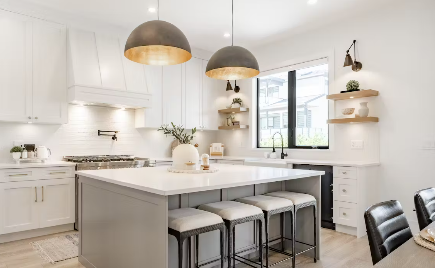
4 Ways to Stage a Home With Fall Flair

Home sellers:
Match the season when preparing your home to hit the market this fall

Leaves are falling. Temperatures are dropping. Daylight is dwindling. In other words, fall is officially here – and it’s a popular time for buying and selling homes.

According to the latest RE/MAX National Housing Report, August 2023 home sales in 50 U.S. metro markets rose 7.4% from July – and the number of homes for sale increased 2.7% from July. These trends offer promise for a bustling autumn selling season.

Are you ready to sell a home this fall? Help your house match the season with these timely staging tips:

1. Make for a warm welcome outdoors

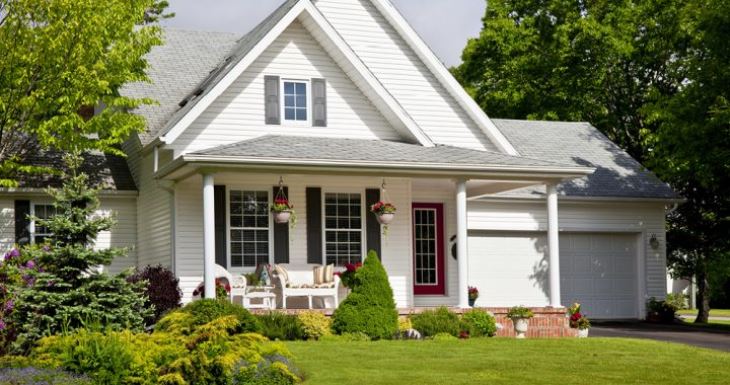
Online listings photos are often the hook that make buyers want to tour a home in-person. And when those buyers pull up to the home, their first impression starts with curb appeal. Make sure it’s a good one. Keep the lawn and shrubbery tidy, edge the walkway, pluck any remaining weeds, and rake fallen leaves for a tidy appearance.

From there, create an inviting entrance to your home with fall-themed items, including vibrant potted mums, pumpkins, a refreshed welcome mat, and even an autumn-inspired wreath on the door.

2. Implement seasonal scents

Scent evokes an emotional response, which can help buyers form a positive impression of your house. And from picking pumpkins to baking treats to sipping coffee to enjoying cool days in nature, the activities of fall include many ambient aromas that remind people of home. Some favorites include:

• Pumpkin spice
• Balsam fir, pine, or spruce
• Vanilla
• Cinnamon
• Apple

To bring the scents of fall inside your home when it’s for sale, consider using fragrant pinecones in a basket as statement décor, and searching for your favorite fall scents in the form of a reed diffuser, oil diffuser, or candle.

3. Don’t skimp on cozy textures

If a buyer purchases a home now, chances are they’ll be settled in time for the winter. This means that through staging, you’re able to suggest a comfortable scene for the chilliest and shortest days of the year.

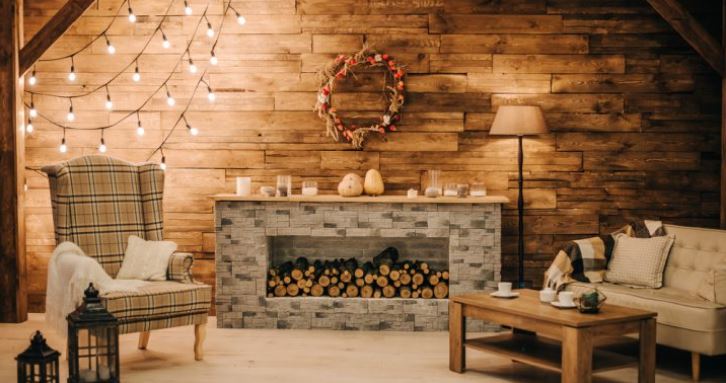
To stage for the fall season and present your home as a place of rest, make simple swaps with inviting materials in a calming color palette. Try switching up accent pillows and throw blankets in the living room and linens in the bedrooms. Chunky knit blankets and boucle-textured pillows continue to be popular choices.

4. Add in autumnal décor

There are other simple ways to stage for the season, too. Give prospective buyers a peek at the possibilities for holiday gatherings by setting the table with placemats, plates, and a centerpiece that align with a classic fall color palette, which consists of warm, earthy hues.

Not only do dried florals offer a rustic look when displayed inside a vase, but they also have a much longer lifespan than fresh florals. And if your home has a wood burning fireplace, re-stock it with traditional logs – or birch – to lighten up the space.

Don’t forget: Natural lighting is an essential element in making sure your home puts its best foot forward during tours and open house events. Open the shades and curtains to let in as much light as possible.

Looking to sell your home this fall? Contact me today!

5 Timely Tips for Home Sellers, According to Real Estate Agents

Current housing market conditions and seasonal demand may impact how sellers prepare their property to sell this summer.

Feel that summer sunshine? It’s an indicator that one of the busiest times for buying and selling homes is officially here. According to the latest RE/MAX National Housing Report, inventory remains low but the number of homes for sale is up nearly 10% since the same time last year. With prospective buyers having a few more options to choose from, home sellers need to make sure their property stands out among the competition.

If you’re planning on selling a home this summer – and hoping to earn top dollar – consider these pointers from RE/MAX agents.

1. Work with an agent from the get-go

A qualified real estate agent isn’t just helpful when it’s time to list a home for sale. They can also offer guidance as a seller prepares the home – leveraging extensive market knowledge to provide suggestions on aesthetics and price.

“My first piece of advice is to find a real estate agent and bring them on board as quickly as possible,” shares Christopher Audette, team leader of The Group at RE/MAX First in Calgary, Alberta. “Starting the conversation as far in advance is really advisable. Get their advice on items to clean up or fix up – things that will make the biggest difference in getting the best listing photos and the best listing price.”

When searching for a professional to work with, consider their comparable properties sold and experience through different housing markers. It’s good to keep in mind that RE/MAX agents have more real estate sales experience than other real estate agents.

2. Put your (home’s) best foot forward

In many locales, housing continues to rebalance, with homes spending more time on market than years prior. Sellers are having to work a bit more on preparing their home for showing.

“In my local market, we’re still low on inventory so we’re still in somewhat of a seller’s market, but sellers are having to do more to spruce up their home,” says Donna Deaton, an agent with RE/MAX Victory + Affiliates in Liberty Township, Ohio. “We’re also seeing the return of home inspections on nearly every property. People are taking a bit more time before they make an offer or bid high.”

Deaton continues, “It’s essential to depersonalize your home. You want the buyers to be able to envision themselves living there – without your personal mementos.”

3. Leverage the season in listing photos

When it comes to searching for a home, buyers often form their first impression based on an online listing, which typically depicts a property’s exterior – the same exterior they’ll see when they first arrive for a showing. Curb appeal, in turn, is especially important in the summertime when vivid outdoor colors can enhance a yard’s appearance – and a lack of proper care can be glaringly obvious.

“If a buyer is going to come in with a strong offer, you want them to know that your home is well maintained and cared for,” Deaton says. “In the spring and summer, we want to see clean landscaping with the addition of flowers, fresh mulch and/or new rocks. We don’t want to see bushes that look like they haven’t been trimmed in six months. We want to see a freshly painted door, and we don’t want to see paint chipping.”

4. Aim for a move-in-ready appearance

Nowadays, modern life means many people are constantly on the go. Consequently, many don’t have the time or resources to take on a fixer-upper.

According to the 2023 RE/MAX Future of Real Estate Report, “While construction woes and inflated material costs have left many reconsidering their love affair with home renovation and DIY, the desire for durability upfront has others looking for better quality homes from the get-go.”

This means today’s prospective buyers seem more inclined to pursue a home that looks as move-in-ready as possible. As a seller, making smaller upgrades upfront can aid in that.

“We have a lot of first-time homebuyers who aren’t in the market to make tons of repairs. So, if you’re walking through your home and notice your faucet dripping, fix it or replace it. Make sure you don’t have anything that’s going to make that buyer turn around and walk out,” Deaton warns. “A lot of times I’ll even recommend sellers have a pre-inspection done; that way we can knock these issues out.”

5. Think like a buyer, too

If you’re selling a home in the current market, there’s a good chance you’re also going to be buying a home in the current market. Keep those costs – and timeline – in mind if you’re navigating two transactions simultaneously. This helps keep priorities straight when you consider offers on your home for sale.

Audette advises sellers to think about their current mortgage, and what a future one could look like, too.

“Interest rates are a big topic of conversation right now. It’s important to figure out if you’re able to port your mortgage rate and take it with you, perhaps saving you from higher interest rates,” he says. “When moving, understand what it looks like getting into a new mortgage and what the difference in [monthly] cost may be. These things are really important to discuss with your bank and/or your mortgage broker in advance to get a clear look at the whole financial picture, both on the sale and upcoming purchase.”

Preparing to sell your home this summer? Contact me; I’ll be happy to help!

3 Things to Consider When Staging Your Home in the Spring

Home sellers: Help your house align with the season before hitting the market.

With temps rising and flowers starting to bloom, it’s evident spring has sprung – and in the world of real estate, so has the busy spring selling season.

As the market continues to rebalance in many locales, today’s homebuyers are enjoying more options and sellers are putting extra thought into how they prepare their property. Staging – a key way to show a home to prospective buyers in the best possible light – is an integral component of increasing the appeal of and interest in a home.

However, staging doesn’t always involve overhauling existing furniture for a completely new look. Some sellers opt to clean and rearrange what that have on hand, and oftentimes marvel at how different a space can look with a few simple changes like decluttering.

In addition to consulting a qualified real estate agent, consider these three factors when staging a home to sell this spring.

1. First impressions start outside

The old adage says you never get a second chance to make a first impression. The same is true with a house for sale.

When prospective buyers arrive to tour a home or attend an open house, their initial impression is based largely on what they see on the outside. And after a long winter, the front yard can look a bit worse for wear. Focus on curb appeal and tidy up the exterior of the home.

Remove any lingering leaves, clean up flower beds of weeds or debris, and lay a fresh coat of mulch wherever it’s needed. It’s even time to break out the lawnmower and tame matted grass growth from the winter, while also making sure to trim walkway edges for clean lines.

Plus, it’s time to unearth and clean patio furniture, including chairs or decorations that live on the front porch. Create an inviting scene at the front of the house with chairs, a new welcome mat, and decorative planters filled with seasonal flowers.

2. Spring cleaning is imperative

Interior staging starts with curating a space that prospective buyers can envision themselves living in.

First and foremost, clear out the entryway by storing away winter-specific items like coats, boots, snow shovels, and more. While avoiding making it feel empty, it’s important to keep rooms minimal and airy by eliminating clutter, hiding away personal mementos like family photos, and overall pairing down on the amount of items on each surface.

A deep cleaning is essential, too. In addition to the standard washing of windows and surfaces and vacuuming of floors, don’t forget about dusting overlooked places like baseboards, ceiling fans and windowsills.

3. Match colors with the season

Spring is the season of nature coming back to life, so it makes sense that colors associated with spring are often bright and refreshing. When it comes to the interior of a home, however, many sellers still opt for a predominantly neutral palette regardless of the season.

Those considering repainting walls this spring may opt for lighter, neutral colors that brighten up the space – especially in smaller rooms. When it’s time for a showing, make sure to open all shades and curtains to maximize natural light.

Then, to add in pops of cheery color for a warm springtime welcome, try placing flowers in a vase as a table centerpiece or on the kitchen counter. Throw pillows and blankets are an easy way to transition the home’s appearance to match the season, too.

Ready to sell a home this spring? Contact me today!

Preparing Your Property For Winter Showings

Listing a home for sale this winter? Check out these tips for creating a comfortable, safe experience for buyers.

If you live in a colder climate, you know that winter presents some challenging weather conditions, like snow and ice. And if you’re selling a home in the winter, prospective buyers won’t be ogling a freshly mowed lawn or vibrant flowers – they’ll likely be eager to get inside and out of the elements.

Clear walkways

Remember Harry and Marv slipping down the McCallisters’ exterior stairs in Home Alone? Don’t let that be your prospective buyers.

Ahead of tours or an open house, make sure agents and buyers alike can access the property. Shovel paths and entrance points, including the driveway, doors and walkways. Then, apply ice melt products, like sand and salt, which can alleviate slipperiness – especially on stairs.

Prepare for messy footwear

Many homeowners ask prospective buyers to take off their shoes before exploring the home. But snowy or muddy shoes and boots will still mar the entry way. To prevent mess, pick up a plastic or rubber shoe tray. Some people even opt for a boot brush mat outside the door for visitors to wipe off their shoes before stepping inside.

Stage for the season

Help buyers imagine themselves living in your home by staging appropriately for the season. In the winter, consider adding cozy fixtures like knit throw blankets, refreshed pillows, and a few candles dotted about. If you’re nearing a holiday, try artfully setting the dining table to show what future gatherings could look like.

Prior to a showing or open house – in any season – it’s best to thoroughly clean the home, pare down on personal items like photos, and declutter.

Open shades for natural light

Let’s face it – winter can bring some drab weather. To maximize natural lighting inside the home, open the curtains and blinds throughout.

In addition to embracing natural light, check each room for any burnt out light bulbs and replace them with new ones.

Turn the heat up

Whether you still occupy your home or have already vacated, ensure the heat is set to a comfortable temperature. Especially in the winter, buyers are searching for a home that feels like an inviting haven.

If the home has a fireplace, clean it up (hint: hire a professional!) and follow maintenance protocol depending on whether it’s gas or wood-burning. Plus, clean and stage the mantel. Buyers will likely be more focused on the presentation of the fireplace in the winter than any other season.

Consult a real estate agent

Work with an experienced real estate agent who knows how to best position a house to sell. Not only does a listing agent market the property, conduct open houses, and help facilitate the transaction, but they also can provide the names of trusted local professionals for services like repair, staging, and more.

Don’t Scare Away Buyers: Four Spaces to Stage for Fall

Getting ready to list your home for sale? Consider these tips for staging with seasonal flair.

In the season of Halloween, homeowners might have a haunting desire to get into the spirit of things when decorating. But when listing a home for sale in the fall, consider leaving the dark and macabre for the costumes, not the decor.

A recent poll of RE/MAX agents showed 90% of responders opted for sellers to decorate with gourds and garland over ghosts and goblins. Shannon Murree, an agent with RE/MAX Hallmark Chay Realty in Ontario, Canada, suggests sellers stick with a neutral harvest theme when decorating their home for the season – and preparing to hit the market.

“The harvest theme has more longevity and is easier to keep with staging advice, which is ‘neutral is best.’ Neutral allows buyers to imagine themselves in their potential new home,” she says.

For those preparing to sell a house, but still looking to capture the seasonal spirit, here are four spaces to spruce up without scaring away potential buyers.

1. Front Porch

Focus on the entrance of the home by freshening up the front porch. First, be sure to remove all summer blooms and clean up any withered plants in window boxes, gardens or planters. Then, add some seasonal spice. Consider using ferns, mums, ornamental grasses, or pumpkin vines for a festive feel. For a pop of color, a fresh coat of paint on the front door always helps, as does a seasonal wreath.

Pumpkins and gourds are tried-and-true décor – for inside or outside a home – that still rule the fall season. Whether they’re real or reusable, try placing an arrangement of cucurbits big and small on the front porch or steps.

2. Outdoor Areas

A patio can be an extension of a homeowner’s living space, so it’s best to treat it like one. Clean up any outdoor furniture with a good power washing and sweep away any debris.

Then, bring the focal point to a gathering space. Whether it’s a sitting area around a firepit or an outdoor table, consider draping a cozy plaid blanket across the back of a chair and adding throw pillows to seating areas. Plus, add a pumpkin or two on a side table or as a centerpiece for an eating table.

3. Fireplace

For any home that has a fireplace, the mantle is a mainstay for fall decor. Especially if it’s a wood-burning fireplace, hone in on the hearth and clean the fireplace first. Hiring a professional chimney sweep is a great way to ensure it’s done safely.

Then, make it inviting by subbing in some fall objects, while avoiding a look of clutter. Items like a heartwarming sign or an assortment of tapered candles, dried wheat stalks or bittersweet branches are a subtle way to pay homage to autumn. Add some birch logs to a wicker basket for a finishing touch.

4. Dining Table

With holidays fast approaching, buyers may be scoping out the dining area as the centerpiece of the home. Swap the summer bouquet for a bountiful centerpiece. And while flowers like mums and sunflowers are welcome, small gourds, dried seed pods, or apples can add some fall color with contrast. If staging with place settings, consider mixing materials and use a woven or wooden charger under colorful glass plates to show a traditional setting with a touch of modern flare.

When extending the harvest theme throughout the home, also keep in mind the colors and materials being used. While red, orange and yellow are traditional autumn hues, decorating primarily in neutrals is often a versatile choice. Consider using neutral paint colors, natural textures like wood, and timeless fabric – like buffalo plaid.

Looking for home staging advice – or, ready to sell? Contact me today!

To Paint or Not to Paint? How Home Sellers Can Optimize Interior Wall Color

Using color throughout a home can be expressive, creative and hold cultural significance. But what happens to that level of personalization when it’s time to sell?

According to Jeannie Do, homeowners preparing a property to sell need to look past their own emotional connection to color and focus on what changes – like a fresh coat of paint – can elevate their home’s overall aesthetic, appeal to buyers, and potentially increase ROI.

Do, an agent and member of the International Group with RE/MAX Professionals in Lakewood, Colorado, holds a BFA degree in Interior Design and spent 10 years designing luxury homes and commercial spaces. Through projects as intimate as renovating a mid-century modern home and as sizable as designing NFL stadiums, Do has developed a keen eye for the role color plays in creating an experiential space and the impact it has on consumers.

Do shares what sellers should – and should not – change up when it comes to their home’s interior paint colors, and what shades serve best as a visual template for prospective buyers.

Reconsidering bright colors

Colors used to express oneself, Do believes, can oftentimes be a reflection of their personality, mindset and values. Working with clients from all around the world, including countries like Morocco, Japan, Taiwan, Mexico and more, Do regularly sees the tie between home color and culture.

“As a member of the International Group with RE/MAX Professionals, we work with a lot of Asian clientele and in many Asian households, you may see the color red because it represents good fortune and is very auspicious,” she explains. “Red is a color of high energy and I think that can relate to the dynamic of Asian families who cherish their extended family and host lively gatherings all together.”

She continues, “That said, red is typically a color we would avoid in home staging because it’s seen as a statement color.”

Many home stagers agree that while color is a great way to be expressive while living in a space, it’s often best to eliminate brighter shades when preparing a home to sell in order to appeal to more buyers.

“When it’s time to sell, you should aim to remove yourself from the house and make it a blank slate – almost like an art gallery,” Do says. “Galleries usually have white walls because it allows the art to shine without making an impression on it. I tell my clients to approach their own homes in the same way – you need to set your house up as the neutral gallery for the buyer to see as their next piece of art.”

Aligning with trends

While neutral paint colors are typically timeless, Do shares that there can be a place for brighter colors to stay up or be added in when preparing a home to sell. If the seller’s goal is to match their home with current design trends, like today’s buzz around mid-century modern style, for example, then in-theme colors may be embraced by prospective buyers.

“Right now, the rich jewel tones are on trend, like hunter greens, deep blues and mustard yellows. If they’re implemented in a design-forward way that could appeal to the current buying market, I would say to leave it up on the walls and carefully curate the space around it,” she says.

Do warns that some wall colors, on the other hand, can actually date a home.

“Color doesn’t necessarily always have to go. But if we’re seeing those dark brown or rich red hues from the early 2000s, it may do a disservice to the overall aesthetic of your home. In these cases, I definitely recommend changing it to a color that’s more neutral,” Do advises.

Homes vary in size, have unique layouts and receive different quantities of natural light, thus requiring different shades and undertones of paint even within one color family. That said, Do often finds herself suggesting the colors Swiss Coffee by Benjamin Moore, a neutral-toned white, and Pure White by Sherwin Williams, a creamier tone, to her clients as safe bets for creating a gallery-like effect.

Consumer preferences also have a longstanding history of mirroring societal trends. While cooler grays were preferred for a period of time, warmer neutrals are rising in popularity.

“Because of the change in lifestyle due to COVID-19 in the last couple of years, people are actually starting to favor warmer tones for their mood-boosting and comforting effects. It’s all about psychology,” she explains. “Because people are so uncertain about what’s happening in the world, they want to come home to a place that makes them feel safe.”

Creating a synchronized space

Wall color surely sets a backdrop. But the rest of the elements within a home’s interior have to align to create a space that buyers can envision themselves and their families living in.

“Your furniture and décor pieces have to be cohesive with the wall color. If you have really modern furniture but dated wall colors, the interior can feel disconnected,” Do says. “It’s much harder for buyers to picture how they would personalize, furnish and decorate the home when it doesn’t feel natural.”

Do understands that for many, it’s not in budget to make big changes to a home before hitting the market. In addition to decluttering the space, she shares a few other tricks for staging just with existing items within the home.

“Lighting and window treatments are a relatively easy way to elevate a space. It can even be as simple as moving your curtains all the way up to the ceiling to visually elongate the walls and make the ceiling seem higher,” she explains. “Bring in as much natural light as you can. In smaller spaces, consider swapping out heavier curtains for ones that are sheer to really optimize sunlight.”

A qualified seller’s agent will have insight on the local housing market, have seen comparable properties, and can provide further suggestions to help prep a home to sell.

“When it’s time to sell, just keep in mind that you’re trying to appeal to others’ taste, not your own. Getting rid of personalization and loud wall colors can help the process move along much smoother and attract more buyers along the way,” Do says.

Hot Home Trend: Paint it Black

Black is popping up everywhere in home design, from flooring to windows. Black feature walls also are trending. Matte black finishes have become popular choices for hardware, decor, and finishes.

Take a look at some of the latest trends:

Faucets and Fixtures

Matte black finishes are mostly found in kitchens and bathrooms, often up against a white background for a high-contrast look. It’s being used in both modern and more traditional spaces. Matte black is an easy-to-maintain finish: No need to polish!

Also, matte black is increasingly appearing against brass for an even trendier look, which you can get in one fixture. Kohler is now offering a faucet that is half brass and half matted black—two finishes in one.

Black-Framed Windows

Windows are coming to the forefront. A black window trim can add an industrial look to a space.

Black Accent Walls

Few paint jobs are bolder than painting a wall black. But up against lighter colors, a black feature wall could provide drama to liven up your space.

Black Doors

A black front door can add some luxury to a home’s curb appeal. Black doors on white homes create a trendy farmhouse style, but the look can work on other home styles, too.

Source: Realtor® Magazine

How Important is Curb Appeal When Selling a Home?

The exterior of a home can help prospective buyers determine if they’d like to head inside – or run in the opposite direction.

The old adage “never judge a book by its cover” is an important one. But the truth is, first impressions are hard to recreate – especially when it comes to house hunting.

According to a RE/MAX Twitter Poll, a majority of responders – 46.2% – agree that a shabby exterior is the biggest turn-off when touring homes.

Here’s why curb appeal may be critical to selling a home:

Exteriors reflect interiors

Curb appeal is the external appearance of a home, comprised of landscaping, painting, staging and overall aesthetic.

Acting as a hint of what’s to come, the exterior of a home speaks volumes to its interior in terms of maintenance and style. If the outside displays the wear and tear of a home, homebuyers may never open the front door to see if the inside is in sync or not. Even if the kitchen has been renovated with stainless steel appliances or the floors received an upgrade to hardwood, unpleasant or outdated curb appeal will have certain buyers passing by the listing before peeking inside.

When a home has an unkempt exterior – think dead grass, chipped paint or overgrown weeds – prospective buyers could assume the inside needs repairs, too.

According to Torrence Ford, a real estate agent and owner of RE/MAX Premier in Georgia, “move-up buyers” – those upgrading from their current home – set much higher standards for a home’s exterior presentation than first-time homebuyers in today’s market.

“First-time homebuyers just want to lock down a house. A move-up buyer, however, will be more affected by curb appeal and consider it alongside their lifestyle,” he says.

And it’s not just the prospective buyer that forms an impression when looking at the house from the outside. Ford says that appraisers, inspectors and real estate agents likely are also taking a home’s curb appeal into account.

Listing photos (almost always) open with exterior shots

The assessment of curb appeal begins long before buyers arrive on site for a showing.

According to the RE/MAX Future of Real Estate Report, 94% of North Americans searching for properties are doing so online, allowing for them to view a larger quantity of properties in a shorter period of time, even on the go. With photos becoming the catalyst for a buyer’s initial impression, many online browsers could skip over a listing due to an unsightly appearance from a quick snapshot. Plus, staging eye-catching steps, a stoop or a porch adds trendy detail or color, creating more compelling shots for a photographer.

Money talks: Curb appeal could add to overall value

According to REALTOR® Magazine, a study revealed that homes with an appealing exterior sell, on average, for 7% more than comparable homes with a rundown appearance.

In his experience, Ford believes that buyers are more likely to write a higher offer when the entirety of the property feels well cared for. Each small detail that impresses buyers will count toward their overall impression of the home’s worth.

Revamping the front yard and home exterior also increases the value of the neighborhood and surrounding area.

“It has a domino effect. It leaves a lasting impact on the longevity of the neighborhood,” Ford says. “Work on curb appeal and the neighbors will start jumping in, too. When one neighbor starts making upgrades, everybody else tends to want to clean up their property, whether it’s with painting, replacing the roof or even just mowing the lawn.”

So, where to start?

The most important aspect of curb appeal is to ensure the exterior is cleaned up even before sinking money into improvements. This is as simple as mowing the lawn, trimming shrubbery, pulling weeds and eliminating miscellaneous items or garbage.

Creating inviting ambience goes beyond yard care. Sellers can consider adding a number of inexpensive finishing touches, like potted plants or flowers, a new welcome mat, new light fixtures or patio furniture staged on the front porch. Though minor, these accents can help a prospective buyer envision coming home to the space.

“[When updating a home], we will replace shrubbery, repaint the front door, and repaint the house’s foundation so the landscape has a clean backdrop,” Ford says.

He adds that implementing new house numbers, like swapping small, cursive numbers for larger contemporary ones, can help older properties get a quick and easy revitalization.

Sellers may also consider a fresh coat of paint on the home’s exterior, a newly paved driveway or a new roof if its rusty or damaged.

“Curb appeal makes all the difference,” Ford says.

5 Ways to Make Your Pet Dog More Comfortable When Moving

Moving homes means big changes for everyone – including your furry friends. Here’s how to help dogs prepare.

As loyal members of the family, pet dogs play an important role in making any house feel like a home. But dogs are creatures of habit and may feel disoriented (nose out of joint, if you will) when it’s time to relocate or move to a new home.

While they may not help pack boxes or load the car, you can still appreciate your beloved furry friends accompanying you on the journey. Here’s how to make your pup more comfortable during the big move.

1. Contact the vet before you go

Pay a visit to your local veterinarian before moving,especially if your travel plans require a long car ride or taking an airplane. They may have tips and tricks for calming nerves during travel and can also provide you with updated copies of medical forms for your dog.

2. Pack their comfort items

Finding familiarity is key in brand-new surroundings. Make sure to bring along your pup’s favorite toys, blanket that lines their crate or go-to dog bed. These security items hold the scent of a place they are used to.

When you reach your new home, create a safe space right away – whether that’s a crate or just a cozy nook – that your dog understands is their zone for relaxing.

3. Update I.D. methods

It’s critical that you update important information like your address and phone number on your dog’s metal tag. If your dog is micro-chipped, make sure to update your contact info in the database system. Your dog may try to do some unwanted exploring – so if they do escape from a new yard, an updated address will help them get home safely.

4. Stick to their typical food

Sometimes, too many changes at once can lead to anyone not feeling their best. With new surroundings and so much unfamiliarity, make sure to bring along your pup’s normal food to not throw off their stomachs as they undergo stress. Plus, this will help ensure your new space remains accident-free (hopefully!).

5. Create routine from the start

For many people and dogs alike, routine is grounding. Even amid a busy move, try to stick to your dog’s regular schedule, like the time of day they eat and when they get their exercise. Taking a break from moving to walk the dog might even help clear your head, too.

Before moving day, take time to get acquainted with a map of your new neighborhood and look up parks and walking areas nearby. Once you’ve arrived at your new home, a neighbor may know of the best local dog-friendly spots.

5 Indoor House Plants to Consider for Your Staging

Plants can help brighten indoor spaces and may offer other mental and physical health benefits. As such, it’s no surprise indoor plants are one of the favorite accessories of home stagers.

Research has linked indoor plants with reduced stress, increased productivity, and improved quality for the home’s air. Some of the most effective house plants to improve the air quality are areca palms, Boston ferns, rubber trees, spider plants, and ficus tree, studies show.

What are some hardy plants to consider using to spice up your listings with more green? A recent article by Kathryn Jackson Fallon at juniperunltd.com highlights some of the following indoor plants:

  • Norfolk Island pine
  • Cast iron plant
  • Snake plant (known as a nearly indestructible houseplant)
  • Cacti
  • Boxwood

[Source: REALTOR® Magazine]