Creating A Patio Scene That Sells

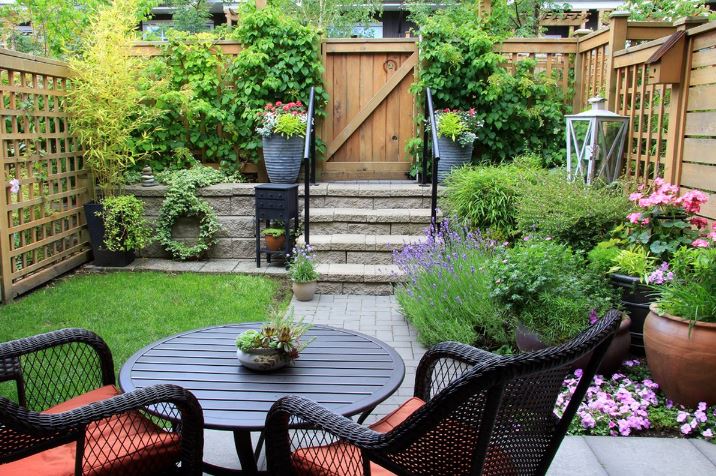
Whether you’re selling an oceanfront property in Miami Beach or a Colorado mountain escape, a home’s outdoor space is often key in the potential homeowner’s willingness to say, “We’ll take it!” With property values on the rise, it’s important to create additional living space by bringing the indoors out.

No matter the size, creating an inviting area for entertainment and daily living doesn’t have to be a massive construction ordeal. Instead, just a few simple additions to the outdoor space can make all the difference. Let’s take a look at ways to create a refreshing outdoor scene that sells, complete with fresh patio furniture and accessories perfectly matched to the home’s architecture and surrounding scenery.

Why is real estate inventory so low?

Consumers are increasingly on the house hunt this spring. Though they’re enjoying solid employment and paycheck gains and in a rush to beat rising mortgage rates, they’re also struggling to find a home to buy in many housing markets.

Indeed, the supply of homes for-sale is at a nearly 20-year low. The most affordable homes—those that tend to attract first-time buyers—are in short supply too. Meanwhile, home prices are rising sharply as buyers find themselves competing for the few homes that are for sale.

Reports are growing of bidding wars erupting across hot markets. About 1.75 million homes were for-sale nationally at the end of February, down 6.4 percent from a year earlier, according to the National Association of REALTORS®. The supply of homes has dropped on an annual basis for the last 21 months.

Why is the supply so low? Housing experts point to several reasons. The average time that owners are staying in their homes before selling has doubled to nearly eight years, according to ATTOM Data Solutions. Investors own a larger portion of houses and they’ve been renting them out. Between 2006 and 2016, the share of single-family houses and condos owned by investors averaged around 30 percent. Also, builders–faced with rising land costs and a shortage or skilled workers–have done little to ramp up new-home supplies.

The shortages are prompting home prices to skyrocket. The median sales price jumped 7.7 percent from a year ago to $228,400—more than double the pace of average pay gains.

Source: REALTOR.mag

Top 5 Home Maintenance Tips

Trying to save money? Home maintenance is so much more affordable than emergency repairs. Here are five routine maintenance projects that can help prevent unexpected costs and save you money year round.

  1. Clear out gutters

Water from clogged gutters can overflow and leak into your home. Heavy, ice-packed gutters can tear away from your house in the winter. Grab a ladder, gloves and hose and clear them out while the weather is still warm.

  1. Re-caulk windows

Drafty windows and doors can suck money right out of your budget from high energy bills. Check the caulk and weatherproofing strips around doors and windows to make sure they’re not dried and crumbling. If they are, they’re easy (and cheap) to replace.

  1. Clean the fireplaces

Have your chimney professionally inspected and potentially cleaned annually to prevent creosote, a flammable byproduct of wood burning, from building up. It can create a fire hazard and elevate the risk of carbon monoxide poisoning. Before each use, make sure your damper closes tightly and clear remaining ashes from the bottom of your fireplace.

  1. Check your filters

Clogged furnace and air conditioning filters not only make your HVAC system less efficient, they also can spread unhealthy pollutants and allergies in your home. Dark and mucky filters should be replaced. You don’t even need tools.

  1. Flush the water heater

Neglected water heaters have a way of getting back at you when you least expect it (and that way is usually soggy and expensive.) Clear out sediment particles that collect over time by regularly flushing out water through the drain valve.

Looking for your own home you can maintain or considering a move? Contact me; I’ll be happy to help!

April 2017 RE/MAX National Housing Report

Strong March Home Sales, Low Inventory Means Tougher Market for Buyers

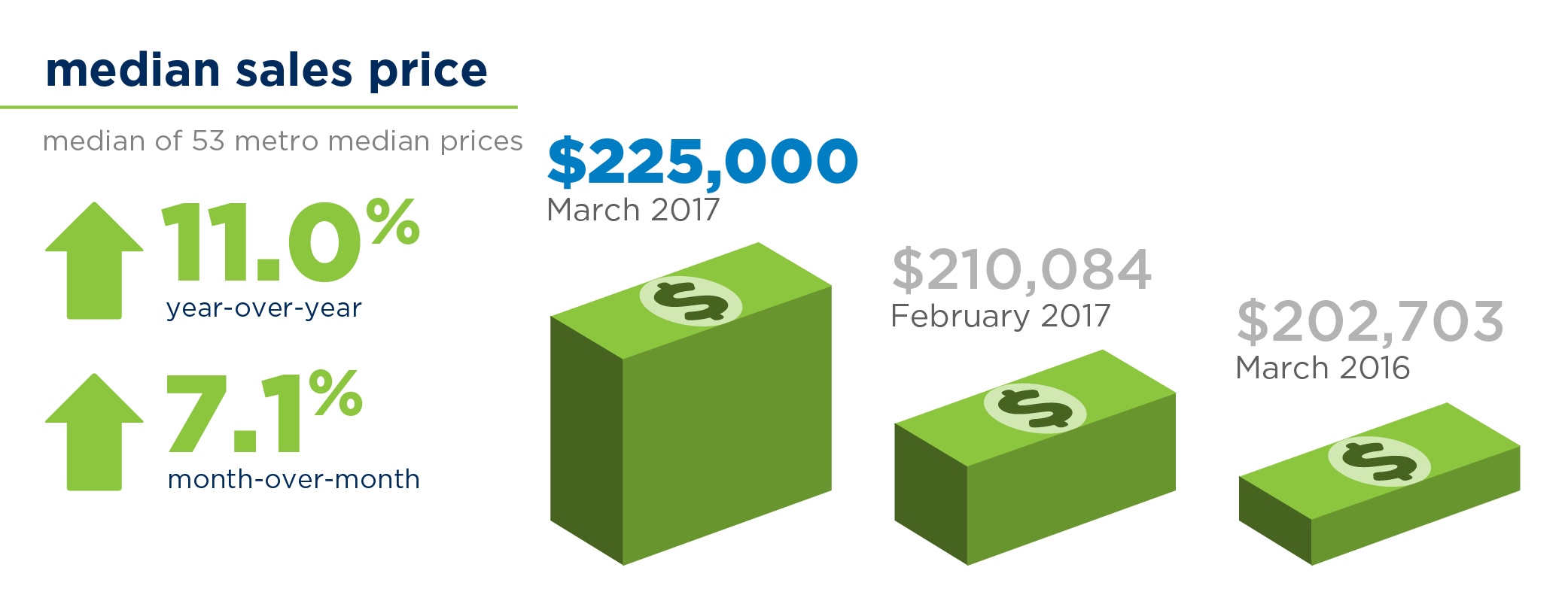
March launched the home-buying season with post-recession records for increasing home sales and prices and decreasing inventory, according to this month’s RE/MAX National Housing Report that surveys 53 metro areas.

Last month, home sales were 6.6% higher than the nine-year-old report’s previous March record, set in 2016. Thirty-eight of the 53 metro areas in the report showed year-over-year increases.

Meanwhile, Months Supply of Inventory dropped below three months for the first time in the history of the report, indicating a market that greatly favors sellers, as six months is considered a balanced market.

Active inventory continued to decline, dropping 17% year-over-year. As a result, the Median Sales Price of $225,000—also a March record—was up 11% year-over-year. This was the 12th consecutive month of year-over-year price increases.

Homes continued selling faster last month, with the average Days on Market dropping to 64, compared to 68 in February 2017 and 71 in March 2016.

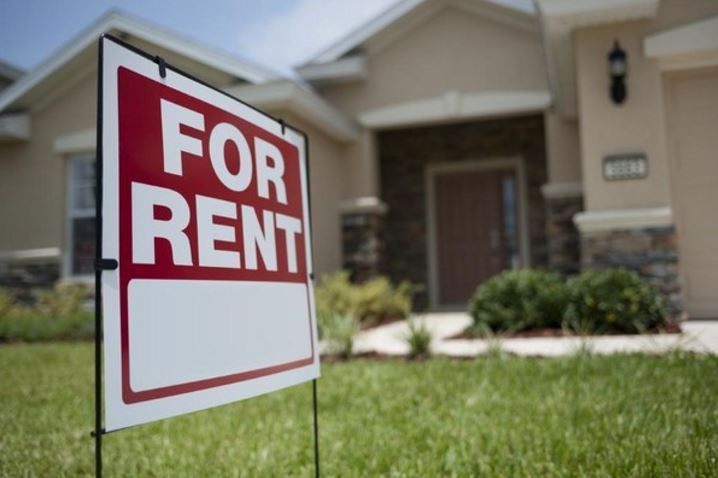
Should You Sell Your Home Or Rent It Out?

Sometimes, you decide exactly when you’d like to move. Other times, life swoops in and decides for you. Your company might transfer you, a family emergency might require relocation, or you might finally find the love of your life—three states over. Should you sell your house or hang on to it as a rental property? Here are 5 important considerations.

1. Are you gone for good?

Or do you need an exit strategy? If there’s a good chance you’ll return to your current home in a year or two, the money and time you spend selling your home and then buying a new one might make renting it out a smarter option.

2. How’s the rental market?

Look at online rental sites to see what properties in your neighborhood and in similar condition to yours are renting for. Are there a lot of listings? Think about what you might charge and what you might have to do to bring your property up to the market standard. You can then get an idea whether your potential rental income will cover your expenses.

3. Where’s the neighborhood heading?

A lot of factors feed into property values, from national trends to long-term construction plans. An agent can help you understand your property’s potential for appreciation and whether or not it might pay to hang onto it.

4. How much is the hassle of being a landlord worth?

Unless you pay for a property management company (about 10 percent of the rental income), dealing with issues, emergencies and uncooperative renters (sometimes all at once, often in the middle of the night) can be trying. Ask yourself if it’s worth the stress.

5. What are the tax implications?

Each situation is unique, so before you decide to rent out your home consider talking with a tax professional. They can help you figure out how much you can expect to pay in taxes on the rental income.

If you’re ready to sell, I’ll be happy to help! Contact me today!
The Internet Didn’t Take Down Real Estate

The internet may have entered more aspects of a real estate transaction over the past decade, but consumers haven’t abandoned their desire for a real estate professional’s assistance, according to Steve Murray, president of the consulting firm Real Trends, who has been tracking for 40 years how real estate agents conduct their jobs. In fact, consumers are willing to pay even more for real estate agents’ services. The average real estate commission paid to real estate agents has risen slightly since 2005, according to Murray.

Real estate agent jobs have stayed firm, while the internet has disrupted other industries, like travel agents and stock brokers.

“There’s not a shred of evidence that the internet is having an impact,” Murray says.

The internet may have changed how agents work—like in automating several tasks–but it hasn’t taken their jobs, he adds. The number of real estate professionals has increased 60 percent in the past two decades, Murray notes.

It’s the opposite of what so many predicted.

Read more…

A Secret Amenity Couples Want: 2 Masters

If your listing has two master bedrooms, you may very well have a highly desired feature that many couples want in their next home and are willing to pay extra for.

Among the top 10 percent of markets nationwide, active listings that include multiple master bedrooms are priced, on average, about 9 percent higher than those with just one master, according to a realtor.com® analysis.

Luxury home builders are taking notice of the growth in demand. A 2016 survey by John Burns Real Estate Consulting found that nearly one in three potential home buyers in the $2 million and above price range said they wanted dual master bedrooms.

Read more…

Bidding Wars to Heat Up This Spring

Likely to be a hallmark of this year’s spring homeselling season: Bidding wars. As home listings are scarcer and buyer demand remains high, home shoppers are finding a lot more competition this spring, particularly in hot markets like the San Francisco Bay area, Denver, and Boston.

An improving job market, growing consumer confidence, and the threat of rising mortgage rates have Americans flocking to housing. But many markets remain tight for listings. Housing starts remain well below levels prior to the recession and are geared more toward the higher end of the market. Homeowners also are reluctant to sell their existing home because they’re unsure of where they’d move to with the dearth of listings.

Homes are selling at a rapid clip in places like Denver; Seattle; Oakland, Calif.; Grand Rapids, Mich.; Boise, Idaho; Madison, Wis.; and Omaha, Neb., according to the real estate brokerage Redfin.

Read the article…

5 Tips for Budgeting a Remodel

Planning to remodel?

While the total cost of your project will depend on its scope, materials and the fees of any professionals you hire, here are some suggestions for beginning to craft a renovation budget.

1. Determine where the money will come from

Will you use savings? Or will you take out a home equity loan? Once you determine your source of funding, determine how much you want to spend on the project – and stick to that limit.

2. Set your priorities

Before you pull out a calculator, clarify your reasons for renovating. Divide those reasons into “wants” and “needs.” For example, reconfiguring your bathroom so that your currently questionable electrical and plumbing will pass an inspection is a “need.” His-and-her water closets, a whirlpool tub and built-in towel heaters are “wants.” Setting priorities will help you make decisions as you move through the renovation process.

3. Step away from the computer

Visit show rooms, model homes and design stores in addition to checking out pictures online. Before investing in materials and appliances, be sure to see and feel them, or samples of them, in person.

4. DIY or contractor?

The biggest question to answer when creating your budget is deciding whether to do the work yourself, or to hire a contractor. Doing the work yourself is usually less expensive – unless, of course, something (costly) goes wrong. Using a contractor, however, can mean your project is completed to professional standards and usually in a shorter time frame. Be sure to calculate the value of your time (and your back and knees) and the inconvenience of having a bathroom or kitchen out of use during the project when deciding whether to opt for DIY or a pro.

5. Expect the unexpected

Whether you plan to do the work yourself or hire a contractor, add on an extra 15 to 20 percent of your total budget for unforeseen expenses. Added costs inevitably arise, especially if you’re dealing with an older home.

Want to know which home renovations could improve your resale value? Contact me – I’ll be happy to help!

Tax Benefits of Owning a Home: Do You Know Them All?

The joys of homeownership are many: Your own house is a place to make sweet memories, build a financial nest egg, and whittle down your tax bill. Wait, what? Yep, it’s true: Your home can save you a bundle on April 15.

Realtor.com rounded up every last way to take advantage of the tax benefits of owning a home. Read on for the full rundown just to make sure you aren’t missing any, then pat yourself on the back for all the moolah you’ll save!