
Here’s a list of local events in Seattle
and the Puget Sound region November 27-30.
Here’s a list of local events in Seattle
and the Puget Sound region November 27-30.

Watch this very informative video about Zillow!
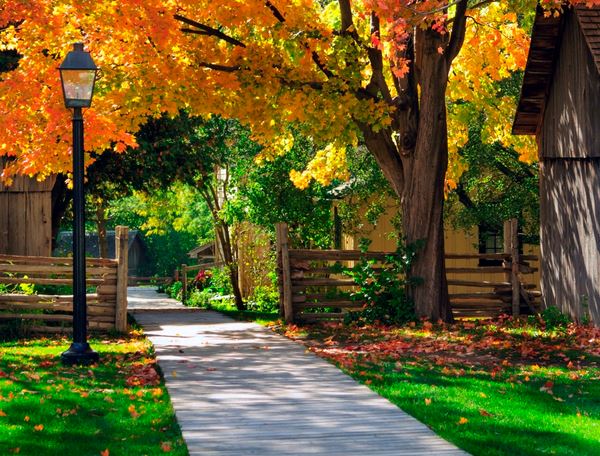
April may bring showers, but winter weather can bring all sorts of other unexpected and expensive damages to your home. Fall’s cool temperatures are a reminder that winter days are on their way – take stock of what you may need to do to prepare your home beforehand, and you’ll be ready for the onslaught of ice and snow. Here are several simple, cost-effective tasks you can do now to make the transition into the colder months easier.
1. Clean Out Your Gutters
Once the leaves are off the trees it’s time to clean out your gutters. Poorly maintained gutters can damage the roof of your home as well the exterior. When snow and ice mix with clogged gutters, it’s a recipe for disaster, inside and out. Leaves and debris will prevent moisture from running off the roof, resulting in ice dams and water leaks. Before flurries form make sure to clear out any waste that’s accumulated, and also be sure to note any missing or broken pieces and have them repaired. Remove potentially hazardous branches, or structurally unsound trees that could pose problems under the weight of snow or in the midst of a dangerous windstorm.
2. Have Your Heating System Checked
You don’t want to be the person waiting in the frigid cold for a repairman to come when your heater stops in the dead of winter. Instead, have an inspector come in and make sure that the system is well ventilated and running smoothly before the first cold snap hits. Inspections generally run between $70-$100. If you live in an area where winter storms consistently knock out both electricity and heat, consider investing in a small generator. Learn more about what you can do to ensure that your system is operating properly, and give yourself time to make any needed repairs before winter comes and the heating companies are overbooked.
3. Have a Snow Preparedness Kit
It’s happened to all of us. Waking up to discover a solid two feet of fluffy white snow layering the ground, only to realize that we’ve just got one old, dull shovel to dig ourselves free. Before stores are bought out of the necessities, make sure you have everything you need in case of a blizzard: a shovel, flashlights with extra batteries, one or two bags of road salt to coat the driveway, sidewalk, and walkways, and an ice scraper or two. Keep an emergency kit in a designated spot, and when you awake and find yourself trapped in a winter wonderland, you won’t be stuck trying to come up with new and inventive ways of unearthing your car tires.
4. Reverse Your Ceiling Fans
Ceiling fans aren’t only useful in the summer months. If your fan has a reverse switch, you can keep your home extra warm in the winter by reversing the cycle of the blades. Having the blades rotate in the opposite direction will create an updraft. Since heat rises, this pushes the hot air down and re-distributes it throughout your house. It’s especially useful for homes that have high ceilings.
5. Caulk Doors and Windows
In the depths of winter the average home can lose nearly one third of its heat through drafty windows and doors. If the gap between your windows and doors is greater than the width of a nickel, it’s time to reapply some exterior caulk to prevent this heat from escaping. Silicone caulk is highly recommended due to its non-shrinking quality and impermeability to the harsh elements. Block drafts from coming under doors with “draft dodger” door stoppers. You can easily make your own at home. Taking these extra steps will ensure that when the temperature drops, the cold and unforgiving air will stay outside where it belongs, and save you any money you’d be spending on additional heating.
– Elizabeth Eckhart, Realty Times

In this difficult recovery, many of the strongest local economies have been those with a high share of educated people in their workforce, particularly areas where technology companies and other knowledge-based industries are growing most rapidly.
To determine the metro areas that are gaining brainpower in the 21stCentury, the nation’s 380 metropolitan statistical areas were scored based on three criteria.

Marriage and real estate often go hand-in-hand. But a drastic decline in the number of married young adults is emerging as “one of the biggest game changers in the housing industry,” according to John Burns Real Estate Consulting.
The share of 25 to 29 year olds who are married has plunged by nearly 48 percent for men and 43 percent for women since 1970.
“The housing market is unquestionably fueled by life stage changes, particularly the change of marital status and the addition (and subtraction) of children,” John Burns Real Estate Consulting notes in a recent blog post. “These changes significantly affect where consumers want to live and what kind of home and community they will choose.”

Are you undermining your success with unconscious behaviors that are actually hurting your attention and simultaneously diminishing the gray matter in your brain? If you’re ready to shift to peak performance mode, a few simple tweaks may be all you need.
Agents are always searching for the next magic bullet that will improve their businesses. While training, seminars and new technologies can definitely improve your business, few agents actually understand how the physical choices they make about their self-care influence their real estate success.
What are some simple steps you can take to make sure that your body is supporting you to achieve peak performance? Surprisingly, many of them are easier than you may think.
3 bedrooms; 2.5 bathrooms; 1,528 square feet

Absolutely peaceful! This home is well maintained, move-in ready & simply awaits a new owner! You’ll appreciate the newer roof & high efficiency furnace. During summers, relax & enjoy gas BBQs on your covered deck, hang out on your front covered patio &/or cool down with your AC. The recent relandscaping offers low maintenance. There’s RV parking with power, water & sewer available + boat/additional parking w/ power. Don’t miss this home in the friendly, desirable neighborhood of Heather Hills!
$230,000
Color is one of the most important decorating decisions, and paint plays a big part of this. These affordable ideas can transform your space in just one weekend.

Typical investor magnets like San Francisco, New York City, Boston, and Seattle are getting new competition from some rapidly growing markets. The coastal cities are no longer the top choices for investors: Other markets are stepping in as the ones to watch for 2015, according to Emerging Trends in Real Estate 2015, a report co-published by PwC US and the Urban Land Institute. The report is based on a survey of more than 1,000 leading real estate experts, including investors, fund managers, developers, property companies, lenders, brokers, advisers, and consultants.
Houston and Austin edged out San Francisco for the top spots this year, proving to be the top picks for real estate prospects in 2015. Charlotte, N.C., nabbed a seventh place spot on the ranking list, edging out Seattle and Boston; while Nashville, ranked No. 14, topped Manhattan.
About a quarter more young college grads live in a major metro area today than in 2000, double the percentage increase in cities’ total populations, according to a report by the City Observatory.
College graduates aren’t just moving on to the usual big cities, like New York, Washington, D.C., and San Francisco. Instead, the biggest magnets for college grads lately has been Houston, Denver, San Diego, Nashville, Salt Lake City, and Portland, Ore., to begin their careers, according to a report by City Observatory. In fact, in Denver alone, the young professional population is up 47 percent since 2000, nearly double the percentage increase in the New York metro area.
Where these young grads call home is giving a big boost to the cities’ economies.
 Managing The Real Estate Details