
Winter Preparedness

Snow Shovel

Cold nights and reports of snow are signs that winter is just around the corner. Prepare now to avoid problems related to winter weather, both at home and at work.

  • Examine window frames for rot or decay and replace framing as necessary to maintain structural integrity.  For older windows, check, repair and replace window glazing that has failed in order to prevent glass from falling out.
  • Trim overgrown branches back from structures and electrical wires to prevent iced-over or wind-swept branches from causing property or power problems.  Take care when removing overgrown branches so they do not contact the electrical wires!
  • Inspect the flue system of any fireplace or wood-burning stove to ensure it is clean.  If needed, have a flue professional inspect for build-ups of soot or creosol and clean if necessary.
  • Weatherize machinery by cleaning off mud, grass, etc.  Add a gasoline stabilizer to equipment that will not be run over the winter.
  • Ensure vehicles have full reservoir of anti-freeze windshield washer fluid and ensure that your engine’s coolant can protect the system down to -40 degrees F.
  • Make sure tires are in good condition with adequate tread have the battery checked to ensure that it will work during the coldest of winter months.
  • Keep a blanket, water, non-perishable food, hand warmers, and a first aid kit in your vehicle in case you become stranded and/or injured.  Make sure that you also pack a 12-volt cellphone charger that can keep your cellphone working.
  • Move shovels or other snow removal equipment in places for ease of access before any impending storm.
  • Ensure an ample supply of ice melt or sand on hand for steps, sidewalks and driveways, and keep a bag in your vehicle also.

International Clients Buy Detached Single-Family Houses

About 64 percent of international clients typically buy detached single-family homes, which they intend to use for primary residence and for longer than six months.   This information is based on the National Association of REALTORS®  2013 Profile of International Home Buying Activity, which captures transactions of REALTOR® respondents with international clients in the 12 months ended March 2013.

International clients include persons who principally reside in another country (Type A) and recent immigrants and foreigners on temporary visas in the U.S (Type B).  About 49 percent of REALTOR® respondents reported that their international client was a Type B client.

Resident foreigners include recent immigrants, professional and managerial employees of businesses and institutions, and International students enrolled in U.S. colleges and universities who are in the U.S. on a temporary but extended visit; all of these groups may plan on using the property year round for primary residence.

Read more…

Experts Shoot Down Housing Bubble Warnings

Several experts at a conference in Miami a couple weeks ago called into question economist Robert Shiller’s recent comments that the housing market was starting to look “a little bubbly.” Shiller, who co-developed the S&P/Case-Shiller Composite 10 Home Price Index, has said he’s concerned some markets across the country may be over-correcting and starting to resemble a housing bubble.

However, a group of housing experts disagreed during the ABS East 2013 conference. Price appreciation is slowing, says Mark Fleming, CoreLogic’s chief economist. Fleming says that the rapid growth in appreciation in previous months was a correction after an overshoot in prices falling during the housing crisis.

“We are certainly not in a housing bubble,” added Laurie Goodman, who heads the Urban Institute.

Even if interest rates continue to move higher, the housing market would still be OK, say Goodman and Fleming. Goodman says that even with a 6 percent interest rate, affordability would remain at 2000-2003 levels.

The article…

Seattle Ranks 5th on City Energy Efficiency Scorecard

Seattle

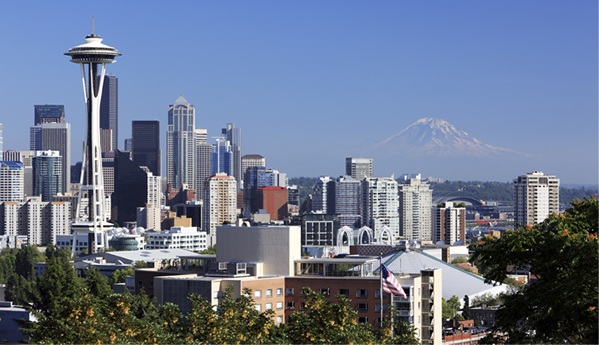
Seattle ranks 5th on an inaugural Energy Efficiency Scorecard that compares 34 of the most populous cities in the country. Leading the list was Boston, which achieved 76.75 points out of a possible 100, and scored well in all policy areas.

The other top-scoring cities were Portland, with 70 points, New York City (69.75 points), San Francisco (also with 69.75 points), Seattle (65.25 points) and Austin (62 points).

The American Council for an Energy-Efficient Economy (ACEEE) conducted the assessment using five, variously-weighted metrics: building policies; transportation policies; energy & water utilities and public benefit programs; local government operations; and community-wide initiatives. Seattle topped the list that measured building policies.

Read the article…

Realty Researcher Expects Housing Rebound to Continue

Money

In a series of weekly blogs, analysts from John Burns Real Estate Consulting remain mostly optimistic about the housing rebound, but raised caution flags about flippers.

“We are advising our clients in areas with a high percentage of flippers to take into account the risk of artificial price appreciation,” stated a company vice president. “While successful flips are more likely to be reported than unsuccessful ones, the profits described to the public wildly surpass the reality of the recovering market.”

Read more…

Housing Activity “speeding along,” but Pace Slowing as Seasons Change

September tested the housing market’s resilience around Western Washington with fluctuating mortgage rates, record-setting rains, and persistent inventory shortages in some areas. By month’s end, however, both pending and closed sales outgained the same period a year ago, according to the latest figures from Northwest Multiple Listing Service earlier this month.

Prices also increased compared to 12 months ago, but fell slightly from the previous month. Year-to-date figures through nine months show prices for homes and condominiums that have sold in the 21 counties served by the MLS are up 12 percent from a year ago.

Read the article…

4 Outside-the-Box Ways to Sell Your Home

Moving

You found the perfect agent, your list price is dead on, and your property is pristine. Now what? If you’re committed to doing everything within your power to sell your home, but it’s not coming as easily as you’d hoped, it’s time to get innovative. Here are a few outside-the-box strategies for getting your home sold.

“New Kind of Neighborhood” Breaks Ground in Bellevue

Neighborhood

Six years after being announced, a project that will transform a Bellevue warehouse/grocery distribution district into what developers call “a new kind of neighborhood” has broken ground. Called The Spring District, the 36-acre transit-oriented neighborhood will encompass “urban style housing,” plus offices, retailers, restaurants, parks, and a hotel, all built with a “focus on sustainability” and mobility choices, which will include nearby light rail.

Greg Johnson, president of Wright Runstad & Company, outlined the plans and timetable for the $2.3 billion project during a meeting of the Bellevue Chamber of Commerce. His Seattle-based company is partnering with San Francisco-based Shorenstein Realty Investors Eight on the joint venture.

Read more…

Save Big Bucks on Your Taxes

We’ve been looking at the new IRS regulations on how to classify repairs and improvements for tax purposes. The voluminous regulations contain some things that are pretty good for owners of residential rentals and commercial properties, and some things that aren’t so good.

Among the good things is a safe harbor for materials and supplies. An expense for any property that comes within this safe harbor may be currently deducted.

Exactly what are materials and supplies? Find out…

3 Home Buying Compromises To Never Make

Thoughts

There’s no such thing as a perfect house. Whether you’re spending millions on an insane estate or starting out with a 5-figure tract home, there will undoubtedly be something you feel like you’re missing. Compromise is part of the game. That said, there are some items that buyers shouldn’t budge on, period. Here are Trulia’s top three.