Buying a Home In 2024? Here Are 4 Ways to Get Started

The current housing market continues to face adversity, but some real estate experts see promise in the year ahead. For those embarking on their homebuying journey in 2024, here’s where to get started.

1. Get pre-approved for a mortgage

For those purchasing a home with financing, it’s important to meet with a mortgage lender as early on in the process as possible.

After evaluating factors like credit score and income, the lender will determine what type of mortgage you qualify for. While many are familiar with the 30-year conventional loan, there are other options that may be up for consideration, like adjustable rate mortgages (ARM), VA loans, FHA loans, among others.

What’s especially helpful is getting pre-approved for a mortgage – this is how you determine your budget and establish a price range to shop in.

2. Find a real estate agent

A trustworthy real estate professional is the go-to expert on all facets of the homebuying process, from finding potential properties to coordinating inspections to negotiating on your behalf to recommending their preferred local service providers after you’ve moved in (and so much more!).

They’re also oftentimes one step ahead when it comes to navigating specifications of the local market.

“While the results [of the monthly RE/MAX National Housing Report] tell an overall story, the key for homebuyers and sellers is to work with a local real estate agent who can speak to the unique local conditions,” Bailey says.

3. Differentiate wants from needs

Identifying wants and needs ahead of touring homes can help ensure you stay on track and consider options that best fit your crucial criteria. If you’re buying a property with a spouse, partner, family member or friend, make sure all stakeholders are in alignment on what elements are deemed essential.

The best way to do this is to make a “wants vs. needs” list and prioritize features you can’t live without. To start getting ideas, consider the good things and gripes about your current living situation.

4. Start browsing for homes

Ready to get ideas – or find favorite homes to tour? Contact me today!


Avoid These 5 Mistakes When Buying a Home

Homebuyers: Dodging these errors could help in ensuring the smoothest possible real estate transaction!

Buying a home is one of the largest transactions most people make in their lifetime. So, it’s essential for homebuyers to have ongoing support as they find their ideal property and navigate the process through a successful closing.

All prospective homebuyers – including those purchasing for the first time – can benefit from avoiding these five mistakes:

Mistake 1: Not working with a real estate agent

While most people begin the homebuying process online by scrolling through listings and saving favorites, they quickly realize how overwhelming it can be to narrow down options – or to see potential in prospective properties.

According to the 2023 RE/MAX Future of Real Estate Report, U.S. homebuyers have identified needing the most help from a real estate agent with three specific tasks:

• Researching listings
• Identifying wants, needs and priorities
• Making home repairs and renovations

As the expert on their local community, a qualified real estate professional with a track record of success can curate a selection of homes and help the buyer as they narrow down the list of candidates.

The skills of an agent come in handy throughout the process. The same RE/MAX report cites a lack of understanding of real estate terminology as a top barrier for consumers pursuing homeownership. A trusted professional can translate industry lingo and help buyers feel informed every step of the way. Plus, by leveraging their knowledge and local expertise, an agent will use their negotiation skills to help the buyers get the price and/or terms they are looking for.

Mistake 2: Not getting pre-approved

The pre-approval process entails a mortgage lender assessing a prospective homebuyer’s finances, usually based on their credit, and providing an estimate on how much money they could borrow to buy a home. Once this step is done, buyers can close a home loan faster if they’re trying to lock down a property on a short timeframe.

Plus, getting pre-approved for a mortgage helps buyers determine a realistic budget and shop in their price range.

Mistake 3: Not being realistic about necessities with contributing parties

When searching for a home, it’s natural to want it all – and it can be especially difficult to compromise on certain features. However, when buying a home with a partner, family member, or friend, it’s important to be on the same page in regard to priorities.

Come up with a list of wants vs. needs, and make sure all contributing parties are in alignment. This can save time and help prioritize which properties to pursue. When assessing a home that meets the criteria for needs – like location, accessibility features, or bedroom count – buyers can connect with their agent to assess the renovation potential for other features they desire.

Mistake 4: Not getting a home inspection

When the housing market leaned heavily in favor of sellers over the past few years, many homebuyers chose to forego a home inspection to gain leverage over competing offers. Now with the market starting to rebalance in many locales, opting out of a home inspection is an unnecessary risk.

During an inspection, the home inspector – who is often recommended by the agent – will check for pre-existing damage on the interior and exterior. This could entail water damage, structural issues, ill-functioning HVAC systems, air quality concerns, and more. If problems arise, the agent and buyer discuss the best next steps to take.

Mistake 5: Not saving money for extra costs associated with buying and moving

Saving up for the down payment on a home is a huge accomplishment. But it’s critical to prepare for other costs as well.

Other potential expenses include closing costs, moving fees, monthly mortgage payments, regular maintenance, emergency funds in case anything in the home needs repair or replacing, and more.

Ultimately, a little effort can go a long way when it comes to avoiding these mistakes and making the homebuying process as smooth as possible. Best of all, the reward will be that much sweeter once the buyer moves in and can enjoy the many benefits of homeownership.

Ready to start the homebuying process? Contact me today!

Homebuying With Friends: Could Splitting the Real Estate Bill Drive Homeownership?

As the housing market continues to rebalance, alternative homebuying trends could help more people achieve homeownership.

Bob Dylan likely said it best: “The times, they are a-changin’.” This is especially true in the real estate market.

According to the January RE/MAX National Housing Report, the Median Sales Price currently sits around $385,000 – down 1.0% from December 2022 but still up 1.3% from a year ago. And Bankrate reports that the current average 30-year fixed mortgage interest rate is hovering around 7%.

Meanwhile, Statista reports that in February 2023, inflation amounted to 4.2%, while wages grew by only 3.2%, leaving some prospective homebuyers wondering how to make it all add up so they can purchase a house.

For some would-be first-time homebuyers who are emotionally ready to invest but struggling to save for the down payment or fret having high monthly payments, renting with a roommate can help split the costs, but it doesn’t build equity – a key component to building wealth. The prospect of buying a house with someone, even if it’s not a romantic partner, comes to mind. But is that a good idea? Will the benefits outweigh the potential risks?

What to consider in joint homeownership

Christopher Audette, an agent with RE/MAX First in Calgary, Alberta, says with inventory issues and the current cost of rent, it makes sense for people to come together and pool resources when considering becoming homeowners.

“It can be the launchpad that’s needed for people to get into homeownership so they can build equity,” he shares.

While it’s a less common practice to purchase a house with a non-romantic partner, the trend could start to emerge for homeowners – especially from younger generations – to co-purchase with a family member, or friend. Even parents and children are considering this route.

“The sooner one can get into real estate ownership, the sooner they can begin to build wealth,” says Joe Allen, an agent with RE/MAX Results in Edina, Minnesota. “If partnering with somebody to buy a home is going to allow them to do it sooner than later, I think it’s a smart avenue to explore.”

However, when it comes to purchasing property with a non-marital partner, there are also some risks to be aware of. Apart from the necessary finances, another aspect to consider is the emotional toll it can take.

“Homeownership is very emotional. If you go into it with a friend, it can be hard for some people to compartmentalize friendship and business,” explains Shannon Murree, an agent with RE/MAX Hallmark in Barrie, Ontario.

And while the friendship outside of the house might be a great fit, it doesn’t always transfer to homeownership. Murree advises those considering house hunting with friends to assess the compatibility of their lifestyles, including how they handle finances and their level of cleanliness.

Audette agrees, noting, “Buying with a friend can lead to resentment when one person is putting more into things like renovations or home maintenance, or even day-to-day tasks like cleaning. Or, they could both be single at the time they enter the agreement, but then one gets into a primary relationship and now there’s a third person who’s constantly there as well. These are factors that should be thought of upfront as they can lead to hard feelings.”

While some of these are also risks for any married couple, Allen believes they can be even more pronounced for non-married partners.

“If you’re married and then get divorced, there’s a court system to help you divide assets. If you’re not married and one homeowner decides they want out or want to sell, there’s no system in place to help you do that,” he says.

Consequently, Allen says one of the smartest things someone can do when they’re considering joint homeownership is to engage an attorney and come up with an agreement where the parties determine how they would handle a sale or buyout.

It is highly encouraged to take all considerations into account before purchasing jointly. And, as Audette clarifies, there’s no need to rush the process.

“Don’t be cavalier about the legal aspect of it. Don’t do it now and figure it out later. Figure out the logistics now.”

Handling finances and setting expectations

For those interested in this pathway to ownership, working with skilled and knowledgeable professionals – a real estate agent and a mortgage broker – is key. There are quite a few nuances and differences when purchasing real estate jointly versus as a married couple or individual.

Chuck Simmons, a mortgage broker with Motto® Mortgage in Ankeny, Iowa, explains when a married couple applies for a home loan there is one application that looks at both parties’ credit score, income, and debt. The process is typically an open book to both sides. When applying as two unmarried individuals, there are two applications looking at the same criteria, but the flow of information is not as fluid.

Simmons says when married couples apply for a mortgage, they ultimately give permission to talk to both sides, but single applications are closed to each individual applicant. So, if there’s an issue with one person’s income or credit, the mortgage broker can’t openly talk about that issue with both parties – they can go directly to only the applicant.

“Depending on the disparity, I will call the person and say, ‘Are you okay with me having this conversation with everyone?’ just so that they understand there might be some personal things we need to work through but it’s going to affect if they can get approved or not,” Simmons says.

When two applicants file for a home loan, the lender must use the lower of the two credit scores, which can affect the interest rate and ultimately save or cost thousands of dollars.

Allen says to consider looking at this joint venture as a business partnership.

“Build a business partnership around the property and choose your partner well,” he advises.

The planning portion of this venture should be a high priority and extremely thorough. Partners should create a business plan and have everything laid out on paper from the get-go, from who will take which room to what happens if someone wants out, and everything in between.

“A lot of homes are set up for families,” explains Jeff Feldman, an agent with RE/MAX Results in Edina, Minnesota. “So, there will be tradeoffs – one might get the owner’s suite while the other gets the garage. Other agreements will come when something goes awry. What happens if the furnace needs to be replaced? You’ll need to agree on which brand, the cost, what contractor to use, and level of efficiency. Putting certain guidelines on paper up front will help down the road.”

The process – and agreements that come in tow – can also differ depending on the type of property one is purchasing, be it a primary residence, vacation property, or payment partnership.

“There’s a difference between an occupant co-borrower and non-occupant co-borrower,” Simmons says. “If it’s two brothers buying together and both plan to live in the house full-time, there are standard [loan] programs available. If it’s a parent who’s helping a child with a down payment, they may not be able to take advantage of certain programs.”

Real life application

Homeowners Michael Smith and his wife purchased a secondary property in the mountains with good friends and co-owned the home for over a decade. Smith says there were definitely learning curves, but overall, it was a great experience for them. He believes things worked out so well because they laid out the ground rules right away and had parameters around arrival and departure times, who cleaned what, and even appropriations of the slush fund for repairs and replacements.

“I think it really helped that both families were in similar financial positions, and had similar lifestyles and mindsets,” Smith shares. “From the beginning, we chose a bank that neither of us previously belonged to so any mail that came from them we knew was in reference to the property. We opened a joint bank account which each family fed to be able to pay for maintenance and repairs. We even had a small cash deposit made to the property bank account of $10 or $20 if we had extended friends or family with us, just to account for additional wear and tear.”

Friends Dan Kenney and J.T. Williams purchased a primary residence together in a Northeast Minneapolis neighborhood in 2005 when they were just 24 years old. They lived together as co-owners for a number of years and took a less conventional route to figuring things out.

Admittedly easy-going guys, Kenney says that while some things – like deciding who got the bigger room – came down to rock-paper-scissors, other more important things were taken seriously.

“Our personalities complemented each other and we were able to decide in the moment what was needed or not needed. If we needed it, we did it together, 50/50.

“We also always wanted to make sure our friendship stayed intact. We knew there were going to be ups and downs, but we kept our friendship paramount.”

Just as important as figuring out what living arrangements will lead to the best living experience is asking what happens when one partner wants to exit.

Implementing an exit strategy

For the Smiths and their co-owners, life evolved and they found themselves using the mountain home less and less. When they all decided to sell, they chose to unload on the whole.

“When we purchased the home, we had to furnish it from the ground up and so when we sold it, we sold everything and split the proceeds 50/50,” Smith says.

Alternatively, for Kenney and Williams, they decided to transition the property from owner-occupied to a rental and use it as an investment property – a situation that worked well for them until they eventually sold.

While buying a house jointly with a non-marital partner is not as common of a route, and does come with some risks, Murree says it’s still worth it.

“It’s unconventional. It’s creative. It’s risky. But if you need a place to live, you might as well earn some equity,” she says.

For those interested in joint homeownership with a family member, friend, or business partner, remember to align with a like-minded individual, plan ahead, and put it all in print. Because the times, they are a-changin’ – and there are many routes to homeownership that may be the best fit.


Homebuying on the Horizon? 4 Ways to Prepare Now

The year ahead is full of opportunity to achieve goals. And for some, a major goal in 2023 is to buy a home.

To help the process go as smoothly as possible, prospective homebuyers can start to prepare long before it’s time to search for a house. From organizing finances to finding a compatible real estate agent, it’s best to get a head start. 

Looking to buy a home in 2023? Consider these four ways to prepare now.

1. Get your finances in order

For starters, check in on your credit score. When it comes time to apply for a mortgage loan, credit score is one factor lenders consider to determine your eligibility. A better credit score can help you get increased access to financing options and ultimately a more desirable mortgage rate.

Research loan options in advance, too. RE/MAX President and CEO Nick Bailey shares that in today’s market, a standard 30-year fixed-rate mortgage isn’t a homebuyer’s only route and suggests they look into alternate options like an adjustable rate mortgage (ARM), too. There are also specific loan programs for various cohorts, including veterans and military personnel. It’s helpful to get pre-approved by a lender prior to home shopping as it can set realistic expectations and help determine a budget.

Saving up for a down payment is one of the most important parts of preparing for purchasing a home – but there are other costs to consider along the way. Ideally, in addition to a down payment, prospective homebuyers will save up for other fees, including closing costs, moving costs, and more. Once living in the new home, it’s best practice to have funds set aside for regular maintenance and timely repairs.

2. Find a trustworthy real estate agent

With their experience and expertise, a real estate agent can be a homebuyer’s best asset in ensuring a smooth transaction. Seek out an agent that knows the area well, has a proven track record of success, and is a compatible fit.

Not only is a real estate agent knowledgeable when it comes to helping finding clients the right home, but they also can help negotiate with sellers and recommend services in the area for financing options, moving services, and more.

Best of all, work with a real estate agent you trust. According to a BrandSpark® survey of consumers, RE/MAX is home to the most trusted agents throughout the U.S.* and Canada**.

3. Consider what you want in a home

Take time to determine wants vs. needs in a future home. Whether you’re a first-time homebuyer who’s done with renting, or a current homeowner looking to upsize or downsize, assess your current dwelling for clues as to what to prioritize in a living space.

Is more storage a must? Does the need for a garage top all else? Creating a list now of these features can help identify – or rule out – properties when it’s time to start the home search.

4. Start area research

To help narrow down the home search radius when the process begins, do your due diligence in advance to figure out which areas meet the needs of you and your family. Some people may be moving to be closer to work, school or family and can start researching commute times to these locations (especially during rush hour!). And for those who have a dog, being near a park may be important.

Research can be especially important for those moving from farther away, some of whom may be purchasing a home sight unseen. Use tools like online maps, Google street view, and local town and city websites to determine what areas have to offer.

When you’re ready to look for properties, head over to my website or download my RE/MAX Real Estate Search App, and contact me!

*Voted most trusted Real Estate Agency brand by American shoppers based on the BrandSpark® American Trust Study, years 2023, 2022 and 2019.

**Voted most trusted Real Estate Agency brand by Canadian shoppers based on the BrandSpark® Canadian Trust Study, years 2023, 2022, 2021, 2020, 2019, and 2017.

6 Signs You’re Ready to Buy a Home

Whether you’re looking for a yard for a pet or bigger closets for storage, buying a home could offer more flexibility than renting – and it can be a long-term investment. Are you ready to be a homeowner?

With the housing market balancing in many places, many people are finding that now is a great time to purchase a property of their own. Renters looking to buy are usually in the pursuit of more living space, creative freedom to decorate, and ownership of an asset that can appreciate in value over time.

Renters, are you tired of spending money each month to pay someone else’s mortgage? It may be time to consider buying a home. Here are the signs to look for:

You need more square footage

Upsizing is a common reason renters venture toward homeownership. With more heads under one roof – from children to aging parents to pets and more – an extra bedroom, in-law suite, or garage space can go from being a want to a need. Whether you find a place that has everything you want or a fixer-upper that can be turned into your dream house, owning property offers the potential of adding more space.

You’re looking for outdoor space

Having access to the outdoors – especially for those renting an apartment – has become an increasingly more important factor to prospective homebuyers. This can be especially true if you welcomed a new pet into your life recently.

The options for your outdoor spaces are much greater when you own the property, whether you want to add a fence around the yard for the dog, put in a swimming pool, or lay out a patio for entertaining guests.

You want the flexibility to customize your home

One of the many luxuries of owning a home is having the freedom to do what you please with your space. Oftentimes when renting, tenants are unable to paint walls, drill holes, upgrade aspects of the kitchen, and more. Each household functions differently, so it can be comforting to live in a space custom-tailored to your needs. If you’re handy with DIY projects or can hire professionals, your options for making a new space feel like home are endless.

You’ve saved up for a down payment

Many people start the homebuying process once they have saved up enough money for a down payment. With a budget in mind, check out available financing options (like first-time homebuyer or military housing grants) that may help determine how much you can afford.

The down payment isn’t the only cost associated with buying a home. Don’t forget to save up for additional fees associated with the process, including closing costs, a home inspection and other potential service expenses. When the time comes that you’re ready to put in an offer on a home, you’ll already have these funds set aside.

You’ve saved for maintenance, emergencies and repairs

Owning a home inherently comes with more responsibility than renting. When buying a home, it’s helpful to have money set aside for necessary repairs and unexpected emergencies. Being financially prepared ahead of time will make the inconvenience of a things like a broken appliance or leaky roof more manageable.

You’re looking for an investment (financial and emotional)

If you’re tired of renegotiating terms, paying higher rent, or moving each time your lease expires, then purchasing a home is a great solution. But in addition to peace of mind, owning a home can pose long-term financial benefits, too.

Likely the largest financial transaction a person will make in their lifetime, a home is an an investment that may, potentially, help you create generational wealth. Best of all, the money you pay each month to a landlord can be used instead to pay down your own mortgage.

If you’re done with renting and ready to buy a home, contact me, I’ll be happy to help you through the process!

What Buying a Home Looks Like This Spring

Here’s how agents are helping clients adapt to homebuying under social distancing orders.

Streets may be quieter these days and open houses are on pause, but as people retreat inside to do their part in keeping the community healthy, they’re bringing their home search with them.

“Our online traffic is way up, more people are at home and have more time to look at properties,” says Mark Pietig, an agent with RE/MAX Lakes Area Realty in Nisswa, Minnesota. “We have not seen a slowdown in sales at all.”

Prior to the coronavirus pandemic, the U.S. real estate market showed every indication of heading into another strong spring market. Many buyers who had spent the previous months or even years preparing to buy a home this spring probably share the same question: What now?

According to Pietig, there’s still opportunity to buy a home this spring or summer, but working with an experienced agent has never been more important.

“We are fully capable of adapting to a new environment,” Pietig says. “Accommodating a new style or approach is something experienced agents, like RE/MAX agents, are great at.”

Preparing for Every Situation

A real estate transaction has always been complex – and even more so today. Many buyers are wondering how they can possibly plan for anything in 30 days, let alone closing on a home, when even the world’s top health experts are unable to predict when a sense of normalcy will return. The key for agents and other professionals is to adjust their business accordingly.

Agents are taking this into account, and while Pietig says he currently hasn’t seen a change in buyer timelines, steps are being taken to prepare for longer contingencies.

“As long as you’re working with quality agents, you’re not going to see any delays,” Pietig says. “If anything, there’s more collaboration between buyers, sellers and their agents than ever. Everybody truly has to work together to get a transaction done.”

John Manning, Owner and Managing Broker of RE/MAX on Market in Seattle, says the local MLS (the primary listing service of homes) has taken it a step further to help protect clients from the unexpected.

“They took an extraordinary step – they put together a ‘force majeure’ addendum to include in contracts.”

A ’force majeure’ is a legal term often referred to as, quite frankly, “an act of God.”

“It essentially allows our contracts to stretch as a result of unforeseen circumstances,” Manning says. “Let’s say we have a closing next Tuesday and we find the county recording office is closed because of staffing. This addendum allows for an extension of the closing, so we don’t have people refusing to leave their homes or ending up homeless because they can’t move into their new property.”

Opening Up Opportunities in a Competitive Market

Even with contingency plans in place, many buyers are putting their plans on hold while they wait out what the next few weeks could bring. At the same time, sellers are continuing to list their homes.

“We’ve been seeing more of an increase in new listings over the past few weeks, which is providing more opportunities for buyers,” Pietig says.

But Pietig doesn’t expect this to be a permanent reprieve.

“In the grand scheme, this isn’t going to last forever,” Pietig says. “You could remove a third of the buyers from our market here, and we would still have a seller’s market. Right now we have pent-up demand from earlier this spring with some people deciding to hold off until they’re comfortable again.  This will mean increased competition down the road.”

For the next few weeks, current buyers could find more options available in their price range, and score a deal while others are sitting out.

Buying in a Time of Uncertainty

One thing has not changed: It’s impossible to predict what the real estate market is going to do next. But that hasn’t stopped buyers from trying. Manning says over the course of his career, he’s found that homebuyers tend to move in groups.

“What tends to happen is buyers get spooked and they all rush out together, and they all wait together,” Manning says. “They say they’re going to buy at the bottom – but they don’t know where the bottom is.”

Once prices appear to be moving up, all the buyers that were on the sidelines rush back in, Manning explains. Competition – and home prices – end up right back where they started.

Pietig advises homebuyers to focus on their personal goals of wanting to own a home, and not worry about trying to time the market.

“If we look at things day to day, it’s not going to feel like the right time to buy,” Pietig says. “I would advise people to take a long-term approach and don’t get caught up with the short-term mindset.”

More importantly, stay positive as you navigate the new process with an agent.

“I know right now people could use a little nudge saying that it’s going to be okay,” Pietig says. “If you wake up each day and focus on the good in life, you’re going to be fine.”

Source: ReMax.com

6 Lessons Monopoly Can Teach About Home Buying

  1. Patience

MONOPOLY: So your family has decided to play Monopoly? Refill your beverage, grab a snack and change into comfortable clothes. You’re going to be there a while.

LESSON: Buying real estate is a process. There’s pre-approval for a loan, interviewing agents, searching for homes, submitting an offer, maybe submitting another offer, the home inspection, the appraisal, and final loan processing before you get the keys. Needless to say, buying a home can take some time. Instead of getting frustrated, focus on all of the great reasons you decided buying a home was right for you. Staying in close communication with your agent throughout the process will help, too.

  1. Neighborhood matters

MONOPOLY: Everyone starts the game with one corner in mind: Boardwalk and Park Place. The high-priced properties have the best returns on investments, and the players who snag them first tend to do well in the game.

LESSON: Location is often a major consideration in real life as well. Home values, your lifestyle and so much more are factors in your neighborhood choice. Work with your agent to learn all you can about the neighborhoods that pique your interest.

  1. Keep an open mind

MONOPOLY: Baltic and Mediterranean Avenue have a bad reputation because they’re the cheapest properties on the board, but they also present opportunity. Add a few houses and hotels and your return could be bigger than the one on nearby Connecticut Avenue.

LESSON: Keep an open mind when shopping for a home. An up-and-coming neighborhood may have appeal you didn’t see before, and more value for your budget.

  1. Be prepared

MONOPOLY: You’re a Monopoly mogul! You have a handful of desirable properties and a steady stream of income from your houses and hotels. Then comes the Chance card: “Make general repairs on your property – for each house pay $25, for each hotel pay $100.”

LESSON: You never know what card you’re going to draw. But unlike Monopoly, the real world has home insurance available to help you prepare for unexpected repairs and disasters. A variety of plans, customizable to any budget, are available. Some homebuyers also opt for warranties covering potential appliance issues after move-in.

  1. How to win a bidding war

MONOPOLY: Trading properties keeps Monopoly exciting. And there are no strict rules as to how a seller determines to accept an offer. Sibling rivalry, bribes involving candy or even business sense can play into a player’s decision.

LESSON: Sellers don’t always accept the highest offer. Writing a letter about why you fell in love with their home can sometimes sway their decision in your favor.

  1. The importance of strategy

MONOPOLY: Monopoly is a game of strategy, but few players are inclined to study ways to win. What if you had a coach sitting next to you, advising how much to bid for a property, where to look next, and whether or not mortgaging a utility to buy Boardwalk is a smart idea? You would be unstoppable!

LESSON: Buying a home is an infrequent occurrence; for some it happens only once in a lifetime. Wouldn’t it be helpful to have someone on your side that is up-to-speed on laws for your state, knows which neighborhoods would best fit your lifestyle and helps you navigate a bidding war? That’s the value an experienced agent provides.

How Cash-Strapped Consumers Can Become Homeowners and Build Equity

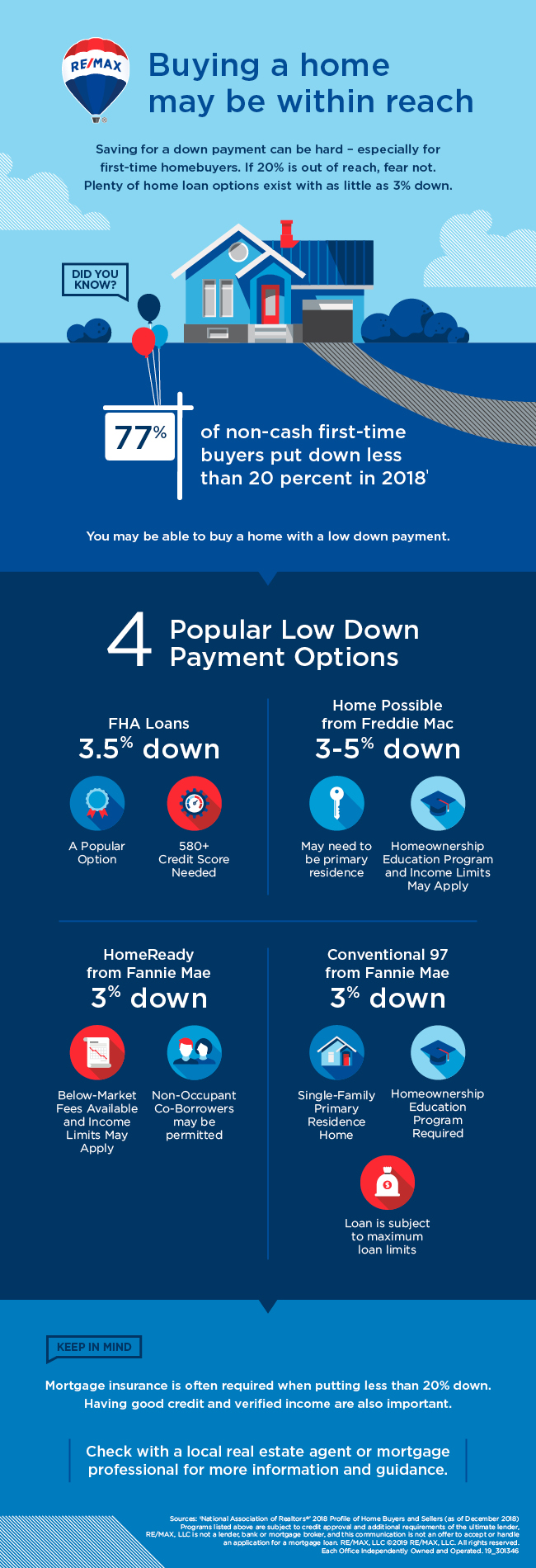
Anyone who has saved for a down payment for a home knows it’s tough — especially for first-time homebuyers. In 2018, the National Association of Realtors (NAR) found that 13 percent of first-time homebuyers said the most difficult step in the homebuying process was saving for a down payment.

It’s a misconception that a 20-percent down payment is required for a home purchase, when in reality, many home loan options exist that may be able to put consumers into a home for as little as three percent down. In fact, 77 percent of non-cash first-time homebuyers in 2018 purchased a property using a down payment of less than 20 percent. Buying a home may be within reach — RE/MAX and Motto Mortgage put together a list of the most popular loan options for first-time buyers.

3 Strategies for the Move-Up Buyer

Moving up to your “forever home” is exciting. When you bought your first place, chances are you were young, strapped for cash and prepared – if not warned – to make some concessions. The move-up buyer typically has some savings and home equity to work with, making this next move feel less like a compromise and more a thoughtful selection.

But move-up buyers face their own set of challenges that call for a carefully considered strategy. Here are three options for the smart move-up buyer with a plan!

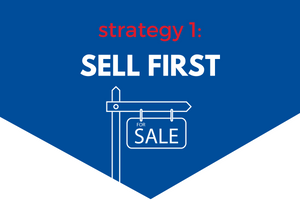
The “Sell First” strategy is ideal for the move-up buyer who can’t afford to pay two mortgages simultaneously. Selling your property first eliminates the risk of having to carry two mortgages if you don’t sell your existing home in time. It also reduces the chances of having to reduce your asking price in the interest of speeding up the sale. This is a good option for move-up buyers who are banking on the proceeds of their sale to fund their new (and likely more expensive) property. By selling first, you’ll know exactly how much money you have to purchase your next home.

If homes in your area of choice are selling faster than the ‘For Sale’ signs can hit the front lawn, the “buy first” strategy might be the way to go. By buying your new home before selling your old one, you won’t feel rushed into settling for a sub-par property, or having to seek alternative temporary housing options while you shop the market. This move-up buyer still lives in his or her existing home, allowing them time to shop around, and continue looking until they find that perfect place. This move-up buyer typically requires a bridge mortgage.

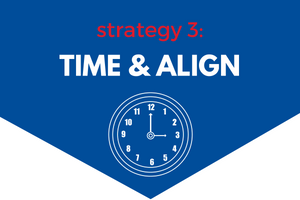
When all is said and done, this move-up buyer approach is the most ideal, but getting there is another story. Aligning your purchase and sale closing dates can be tricky. Remember that there are three dancers in this tango – you, the person you’re buying from, and the person you’re selling to. You’ll also have to move out and move in on the same day. In this scenario, time is your best friend and flexibility your savor. This means you’ve planned ahead – you’re researched neighborhoods, gotten pre-approved for a mortgage, and you’ve started the organizing and de-cluttering process before the big move.

The right move-up buyer strategy depends on a number of factors, such as your financial situation, current housing market conditions, your personal comfort level and your personality. Consider all these when making your decision. Plan ahead and work with a pro to ensure a smooth transaction on both sides of the bargaining table.

During my 17 years in the business, I’ve helped many move-up buyers and will be happy to help you and those you know!

Outdated Advice Buyers Should Ignore

People who have gone through the homebuying process are often eager to give advice. But too often, these so-called insider tips may very well be outdated.

Realtor.com® recently highlighted some of the most common advice home buyers may hear from their peers that no longer applies in the current housing market, including:

“Wait for spring.”

Buyers shouldn’t feel like they’ll be at an advantage if they wait for the busiest season in real estate—it may be the opposite, real estate pros say. “Yes, there’s more inventory [in the spring], but there’s more competition for it, and sellers are more optimistic about getting a higher price then and so less willing to negotiate,” Sebastian “Seb” Frey, a real estate broker in the Silicon Valley area, told realtor.com®. “Buy when you find the right property that will meet your needs for today—and the next five to 10 years.”

“Wait for home prices to come down.”

Some aspiring buyers may be told to wait until home prices settle some before they jump in. But they can’t forget that rents are likely also high.

“Paying high rent now and hoping that you’ll find a better deal two or three years down the road [won’t work],” Frey says. “The better advice is to make a smart buy today for a property that will appreciate over the longer term.”

“Make a lower offer so you have room to negotiate.”

Some buyers may be told by their peers to make an offer that’s less than what they’re actually willing to pay for a home. Then they’ll have room to negotiate.

“The housing market in 2019 will be slightly different from what we experienced in 2018 when it comes to pricing and negotiations,” Howard Margolis, an associate real estate broker with Douglas Elliman in New York, told realtor.com®. “In regards to negotiations, what was once the premise of offering 10 percent to 15 percent below asking is not necessarily the case anymore, and it’s a strategy I would not recommend. In today’s market, a truly motivated seller is less inclined to engage in the back-and-forth of a real estate transaction, and listings are priced closer to the final sales price.”

Instead, home buyers are urged to base their offer on sales of similar sales in the area.