6 DIY Trends for 2026


Interior designer Daniel Kocu, with InterRent REIT, has identified several do-it-yourself trends for 2026, including painting shelves and ceilings to add visual interest, creating spa-like bathrooms and outdoor relaxation areas, and incorporating reading nooks. The trends reflect a shift toward minimalism and sustainability, with a focus on creating serene and uncluttered living spaces.

Read more

Common Renovation Regrets


Homeowners often regret certain renovations, according to interior designers and contractors. For example, marble countertops stain easily, so professionals frequently recommend more durable alternatives like sintered stone, which can mimic marble’s look while offering greater resistance to stains and daily wear. Meanwhile, open floor plans have people seeking more privacy, and designers are using solutions like hidden pocket doors and sleek glass partitions framed by steel.

Read more

8 Summer Home Trends That Will Get Buyers Talking

The home remodeling site Houzz weighed in with the home trends heating up this summer, from color-drenched palettes and wood-focused spaces, to beverage stations and more. Discover the home design styles driving the most online searches!

Read more…

What to Consider Before Installing Smart Locks


Smart home locks offer enhanced security and convenience, but homeowners should consider several factors before installation. Options include keypad, biometric and Wi-Fi-enabled locks, each with unique features. Compatibility with existing home systems, security features such as encryption and two-factor authentication, and power sources are crucial considerations.

Read more

Looking to Xeriscape Your Yard? 3 Steps to Execute a Drought-Friendly Design

In drier climates, some people ditch the grass and get creative with other natural elements. Find out ways to save on water and spruce up your home’s outdoor space.

Nurturing a luscious lawn can be a difficult task, especially for those who live in dry climates.

According to the U.S. Environmental Protection Agency, the average American family uses 320 gallons of water per day – and 30% of that goes outdoors, for purposes like watering the lawn. Many homes in the nation’s driest climates – especially in the Southwest – devote 60% of their household’s water usage to outdoor purposes.

Although arid environments provide harsh conditions for a vast array of flora and fauna, many desert-area communities have strict limitations on using water for landscaping purposes. That’s one reason for the popularity of xeriscaping, an artful landscaping design requiring significantly less water usage than a traditional lawn.

Looking for a lower-maintenance option for your yard? Here are a few steps to consider:

1. Make a plan

Each and every outdoor space looks different. Assess your yard’s needs and determine the best plan for transitioning to a less-water-dependent environment. Some homeowners choose to xeriscape a full front yard or back yard, while others opt for keeping partial grass and repurposing select spaces, like garden beds.

Tip: Observe how the sun moves across your yard throughout the day, taking note of places that receive the most natural light. This can help determine where certain plant species may thrive better than others when you arrange the new elements in your yard.

Planning in advance can also dictate where to group specific plants together depending on their water usage needs. Though xeriscaping requires less water than grass, the plants you choose will likely still need semi-regular watering depending on their unique parameters.

2. Choose resilient plants

It’s essential to find plants that survive in xeric conditions. Cacti and succulents are popular picks – with hundreds of yard-friendly options to choose from.

One way to cover vast areas of yard is with ground cover plants, which are short in stature but quick to sprawl across an open space. Plenty of these plants, like those in the phlox family, are known for blooming vibrant flowers in shades of pink, purple, blue, and yellow. Other popular options include dianthus, creeping thyme, and star creeper, just to name a few. Many ground plants still need regular watering (especially during prolonged dry spells), but far less than traditional grass.

And, speaking of flowers, a sampling of popular desert-dwelling bloom variants include coneflower, lavender, tickseed, and some types of poppy (among many others). Not only do flowers like these require little water compared to wet-climate alternatives, but they also can add splashes of vibrant color to any outdoor space. Plus, these blooms – along with countless others born to thrive in dry places – are perennial, meaning they grow back each year and won’t need to be re-planted.

Head to a local gardening center and ask what plants and flowers are native to your area. Not only might some of these be great choices for your xeriscaping journey since they’re built to last in your area, but you may also find some that can benefit members of the local ecosystem, like butterflies, pollinating bees and other essential bugs.

3. Don’t forget: rocks rock!

Rocks can add dimension to any outdoor space. You can use larger rocks to frame garden beds and line walkways, creating an aesthetically pleasing design or providing value by steering passersby away from prickly plants. Plus, smaller rocks, gravel, and mulch can fill larger spaces and surround plants. This type of coverage makes it more difficult for pesky weeds to thrive.

If you’re looking to save on water and shake up the appearance – and function – of your outdoor space, consider switching to a drought-tolerant design.


The Things We Do For (Puppy) Love: How Homebuyers Are Accommodating Their Dogs in the House Search

If you own a pet dog, there’s a good chance you’ve: swapped out words in your favorite song with their name, cancelled plans to spend time with them, and filled up your smart phone’s camera roll taking their picture. But, have you bought a home specifically for them?

While dogs aren’t the primary reason many pursue real estate opportunities, they are a factor plenty of homebuyers take into serious consideration during the house search process. This is especially true nowadays with pet ownership on the rise.

The COVID-19 pandemic – and the increased time people spend at home as a result – played a key role in the uptick of pet ownership in the U.S. From 2020 to 2021 alone, nearly one in five households acquired a cat or dog, according to the American Society for the Prevention of Cruelty to Animals (ASPCA).

“I do think more people have pets nowadays, but what’s noticeable is the focus on our pets and how they are becoming more involved in society. There are pet-specific cafes, bakeries, boutiques, and specialized food choices, as well as pet-friendly businesses and more,” says Joanne Thomas, an agent with RE/MAX Advantage Plus in Eagan, Minnesota, who is currently working with buyer clients seeking a home specifically for their dog.

In a small neighborhood of Denver, Colorado, for example, you can even spot pup parents stopping by a popular dog treat truck that serves goodies to its drooling patrons. With these cuddly canines having stolen the hearts of so many, it makes sense that plenty of people care deeply about their dog’s well-being at home, too.

Enter “barkitecture” – a popular pet-forward architecture trend where homeowners are making intuitive design choices that strike a balance between function and fabulous, all framed by the needs of their furry friends. The good news? These features are in demand when it’s time to sell the house. A growing number of dog owners looking to move are making pet-friendly features priority items on their list of home criteria.

From wanting a fenced-in yard to a barkitecture-inspired luxury pet spa, here are a few ways that today’s buyers are taking their dog’s needs into consideration when shopping for a new place to call home.

Ensuring proximity to outdoor enrichment

Having easy access to a green, grassy yard means a dog has increased opportunity for fresh air during the daytime and convenient potty breaks at nighttime. This factor makes a direct impact in one’s quality of life, for human and dog alike – and it’s a key characteristic many homebuyers are in search of.

The 2023 National Association of REALTORS® Profile of Homebuyers and Sellers revealed that 19% of all buyers between 2022 and 2023 saw outdoor space for a pet as an influential factor in their purchase, the same percentage as those who considered lot size and school district. Convenience to outdoor space for pets even topped the quantity of buyers considering factors like proximity to schools (18%), healthcare facilities (16%), and airports (9%).

Outdoor space isn’t just a yard – it can take the shape of other accessible ways to exercise outside.

“People looking to live in urban areas often find it especially important to make sure there’s ample sidewalks for walking the dogs,” says Donna Deaton, Manager of RE/MAX Victory + Affiliates in Liberty Township, Ohio.

Plus, those looking to live in multi-family dwellings have different factors to take into consideration.

“I am in Minnesota and winters can be cold! So, if buyers in my area aren’t looking for a single-family home and prefer the condo lifestyle instead, having a dog-run or dog relief area either covered or indoors is key. If this isn’t an option, then having some green space nearby for their dog to run and play is really important to buyers,” Thomas says.

Not skimping on a fence for safety

Many dog owners have a skilled escape artist on their hands – so a yard isn’t fully functional until it’s been securely enclosed.

“A fenced yard is usually the most requested feature for the dog owners I work with looking to buy a home,” says Ana Duarte Cole, an agent with RE/MAX Advantage in Waynesboro, Virginia.

Other agents agree that a fence is a high priority for many prospective homebuyers. Those who consider a home without a fence have a few extra steps to think about.

“Most of the time, yards with fences are a must have. But they’re not always a deal killer, especially for those who are willing to add in their own,” Deaton shares. “This is when it is important to really study the HOA (homeowners association) rules and regulations, if applicable, as some will not allow a fence or will allow only certain styles, colors, and heights of fences.”

Cost can also be a reason why homebuyers prefer to find a house with a fence already in place. The common types of fencing people choose for residential properties are wood, metal, vinyl, or composite. And the choice of fence type, as well as style and quantity of material needed, can cause price points to greatly differ. According to Forbes, the average cost of installing a new wood fence is roughly $3,300 – but on the upper end of their spectrum, some projects (particularly those on larger properties) can cost over $10,000.

Searching for elements of ‘barkitecture’ (and other design-forward features)

Barkitecture is all about space-savvy, oftentimes luxury features that make humans and dogs alike say (bow) wow. The concept stems from making necessary pet gear – like crates, beds, and kibble storage – blend more seamlessly into a home. For example, some kitchens come with a water bowl fill-up station close to the ground, as well as a hide-away feeding zone.

“A client of mine recently built a custom home and their laundry room has a dog shower. It features tile, pony walls and a hand-held shower wand. As a bonus, it is often used to wash off muddy boots in addition to puppy paws,” shares Rachele Maczuk, an agent with RE/MAX Today in New Haven, Missouri.

Deaton, who has plenty of experience in the new build market, has also seen an uptick of built-in dog spas.

“I notice features like this in newer and custom-built homes. For cleaning off muddy pets, homebuyers get excited if by chance the home has an actual dog wash station, or even just a full bath on the first floor. This isn’t necessarily a reason as to whether they purchase that particular home or not – but if the buyer is a pet owner, they see value in having it.”

Thomas agrees, too.

“Dedicated pet baths in homes, and custom cabinetry features to store their food and bowls, is becoming a more common sight to see. Plus, I continue to see kennels that are disguised as furniture,” she says.

Technology is also playing a role in pet well-being inside the home.

“I’ve shown homes where the buyers appreciate the fact that the pet door is automatic or sensored instead of those ones that flap as the pets wander in and out,” Deaton says. “These digital pet doors are a newer thing and are appealing to today’s tech-forward buyers. Some can also be opened and closed through an app on your smart phone.”

Aside from modernized, dog-forward home innovations, some homebuyers are focused on the overall layout of a home – especially those looking to accommodate older dogs.

“A recent client of mine wanted a one-level home with little to no steps to the backyard since their senior dog couldn’t do steps anymore,” Duarte Cole says. “After moving in, they actually replaced the previous owner’s newly installed carpet for vinyl flooring due to their dog having incontinence problems. They needed something easy to clean.”

Envisioning potential for paw-fection

Back to that whole “good bones” thing. Today’s homebuyers are often keeping a keen eye out for ways to make pet-friendly tweaks to their new place once they’ve moved in (like a fence, explained above).

Even if a home comes with a fence, certain buyers will choose to add in a dog window, giving their pet an entertaining view of passersby. Other tweaks might include adding interior pet gates, installing a central vacuum cleaning system, or even retrofitting a dog bedroom.

But something as simple as wall color is a factor people can plan around their dog’s preferences. And unless a prospective home boasts neutral wall colors, there’s a good chance buyers will want to make changes.

The American Animal Hospital Association shares how certain paint colors are more soothing than others to pets because of how their eyes process hues differently than humans. They note how animals are likely to be calmed by pale shades of blue, green and purple, as those colors aren’t distorted by their vision and promote tranquility. While these recommendations are geared toward wall color for animal hospitals, the same insight can apply to residential homes.

Who’s buying a home for their pet’s needs, anyway?

Homebuyers across all generations are taking interest in ways to encourage wellness for their pets around the house. But a rapidly growing portion of these pet owners-turned-homebuyers are millennials. According to the American Pet Products Association’s (APPA) National Pet Owners Survey, millennials are the largest cohort of pet owners in the U.S. And, as recently detailed by RE/MAX President and CEO Nick Bailey, at least 45 million millennials in the U.S. are a part of the ongoing pent-up demand for housing.

Subsequently, as more millennial homebuyers enter the market, it’s expected that yard space, fences, and barkitecture features alike could remain highly sought-after home elements – and even increase in popularity.

“Compared to previous markets, it seems that buyers are more vocal about the needs of their pets. Whether it is more of an acceptable social norm now or whether it is that buyers are truly more cognizant of the happiness of their four-legged family members is unclear,” Maczuk says.

“But ultimately, a home is a place that should bring its occupants joy,” she continues. “And whether they’re four-legged, feathered, or slithering, those pets are family members. When searching for a new home, it is important to find a place that fits the bill for the entire family.”
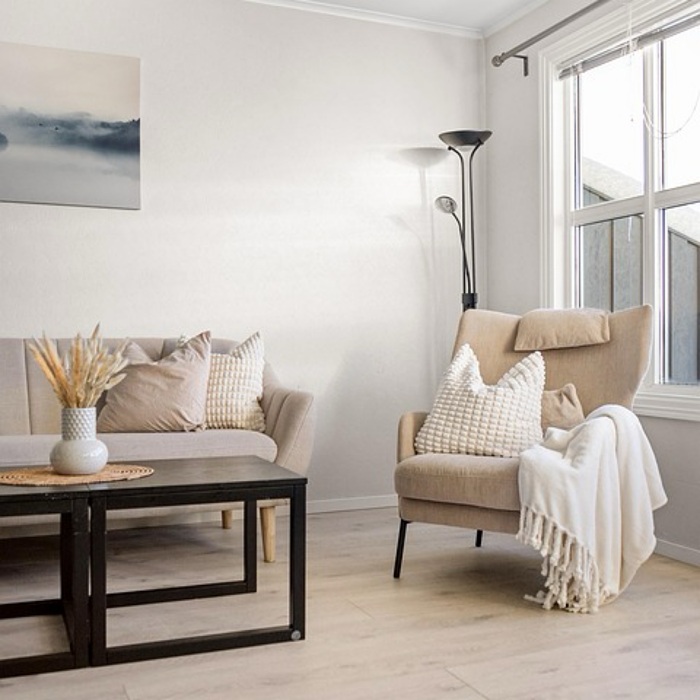
Make the Most Out of Limited Kitchen Space

Living with a smaller sized kitchen? Whether you’re planning a holiday gathering or simply cooking dinner with family, don’t let limited kitchen space inhibit your hosting and dining dreams.

With some ingenuity – and a few storage solutions – you can transform a smaller kitchen into a fully functioning space that lives up to chef’s standards.

Check out these tips for making the most out of a smaller kitchen:

Find gadgets that free up countertops

Minimal counter space can be a challenge for the at-home chef, and storing things like small appliances and produce on your countertops eats away at available working space. Staying organized can help alleviate stress and create the feeling of a larger, more efficient kitchen.

If your countertops feel cluttered, storage solutions like pantry bins, drawer dividers, a rotating spice rack, mountable shelves, and an over-the-sink dish drain can keep items organized – and even out of sight.

Expand your working space

Need more room to chop, dice and mince? Invest in a cutting board that covers the sink. Best of all, any mess will be an easy cleanup when the cooking is done. Or, consider adding a compact, moveable island (or cart) that can add valuable counter space and storage. In smaller kitchens, the addition of a portable island can create the experience of a 360° area.

Make seating versatile

Does the size or layout of your kitchen limit seating options? There are alternatives to a traditional kitchen table that may better fit your unique space.

If your kitchen is outfitted with built-in bar seating, you may not need to add a table. Or, if you have space for an island, consider one that can comfortably fit chairs or bar stools on its perimeter. For a more traditional table, consider a folding style that stores small and can be expanded when needed. Some may consider a table that mounts to the wall and can double as decorative space, storage, or even a home office.

Use the walls

Running out of room? Go vertical! Blank wall space presents abundant opportunity to get creative and generate storage. Consider implementing things like pegboards and floating shelves. Plus, try mounting a magnetic knife holder, adding hooks underneath cabinets to hang coffee mugs, and putting up an overhead rack to hang pots and pans.

Don’t skip out on food prep

Especially when hosting multiple guests, one of the best ways to move fluidly in a smaller space and free up appliances is by prepping some dishes ahead of time. If you have the space to store precooked components of a meal, you’ll save yourself stove and oven space the day of the gathering.

Make use of other spaces for your guests

Ever heard the phrase “too many cooks in the kitchen”? This can feel especially true when cooking and entertaining at the same time.

If you’re hosting an event and don’t have a large kitchen space, avoid gathering your guests in the kitchen so you have room to finish preparing the meal. When possible, draw guests to the table or living room until the food is ready.

4 Features Fall Buyers Want in Prospective Homes

Over the past six months, the course of daily life has greatly changed and, with COVID-19 still present as autumn approaches, homebuyers’ desires have shifted accordingly.

Looking to sell your home? Here are a few features homebuyers are on the lookout for when they tour houses this fall. Consider giving these spaces extra love and attention when preparing to list a house for sale.

  1. Flexible spaces

Homes now function as office spaces and classrooms while still being the place to rest at the end of the day. Homebuyers are seeking interior layouts that can adapt to the changing times. Having multiple spaces to conduct business, take calls or complete classes – while a family member cooks in the kitchen – feels essential when multiple people are home during the day.

Desirable multipurpose spaces may include extra bedrooms – like having a guest room that can operate as a workspace – and finished basements.

  1. Energy-efficient features

With winter right around the corner, interested homebuyers are seeking energy-efficient features for a sustainable household. With so much more time being spent at home these days, people are likely to use resources like water and electricity more than ever.

Some in-demand features that help cut back utility bills include insulated windows, updated appliances and smart thermostats.

  1. Room to workout

Boutique fitness classes and destination gyms dominated the workout space. Since the onset of COVID-19, however, there is a resurgence in the demand for home gyms. And, even as some fitness studios have taken their classes to online platforms, people are rolling out yoga mats on their living room floors with no other place to find Zen.

When searching for homes this fall, interested buyers want a space to workout inside the house, especially with colder weather soon impeding on outdoor recreation.

  1. Extra storage

Pick up a new hobby in recent months? Most people are maxed out on storage space and are seeking even more room to store their new equipment. Increased closet space, attics and garages continue to be desired elements for those searching for a new home this fall.

Home Furnishings Trend: Brass is Back

After years of chrome, stainless steel, and nickel being the shining stars of interior metals, brass is back and starting to steal the show.

As with many home furnishings trends, the comeback was inspired by what’s occurring in fashion. In this case, gold and rose gold watches became influencers a few years ago, says Chicago designer Tom Segal of Kaufman Segal Design, who thinks that home furnishings styles tend to be cyclical. Now he’s adding small brass details to rooms in the same way a gold watch might peek out of a shirt cuff.

Using brass now is an easy, affordable way for homeowners to customize and stay on trend.  “Many people want a warmer look, which is also visible in fabrics as warmer colors return,” Segal says.

Erin Imhof, showroom supervisor at Ferguson Bath, Kitchen & Lighting Gallery in Lansdale, Pa., has noted an increase in brass finishes. She attributes it to how they complement a wide range of colors and other finishes. “Many of today’s top color trends for kitchens and bathrooms, including all-white, blue, and black, pair beautifully with brass fixtures,” she says.

Others concur that brass is a universal mixer. “Our designers like to integrate brass into their designs, whether it’s an accent like a decorative bowl, object of art, light fixture, or metal base on an end table,” says Julie Sprouse, design sales manager at Ethan Allen, the home furnishings chain based in Danbury, Conn.

Caitie Smithe, a design coordinator and stylist at the Walter E. Smithe Furniture + Design retailer based in Itasca, Ill., also considers brass a material that can be used throughout a home, including light fixtures, hardware, and even light switches and vent controls. Other good places to use brass include bathroom hardware, plumbing fixtures such as sinks, and accessory details like candleholders or picture frames.

Here are five tips for using brass that you can pass on to your clients.

1. Use sparingly. Brass works best when used in small doses. Too much can create a “too matchy-matchy” look, according to Smithe. Overuse can make it start to look cheap, says Segal. “Moderation is key,” he says.

2. Mix finishes. Brass appears more timeless rather than trendy when it’s matte, brushed, or aged, which helps soften its sheen, Segal says. But be careful, Smithe says, when mixing brasses in a single space from different manufacturers. “There is a huge range in color and brightness. Some take on a bright yellow color while others can be more of an aged gold,” she says.

3. Combine warm metal colors. Brass, gold, and bronze can work well together since they share similar warm values versus shiny nickel, which leans toward the colder side, says Sprouse.

4. Mix metals. Some designers also think brass, satin, brushed nickel, stainless steel, and oil-rubbed bronze can be used together. But Imhoff still offers some caution. “Go with similar warm, muted undertones for some consistency,” she says. Chicago designer Summer Thornton likes mixing metals, particularly in kitchens and bathrooms where she might use brass, nickel, and steel combinations.

5. Consider longevity. How long brass will stay fashionable is unknown. When it becomes too ubiquitous in retail stores, shelter magazines, and on design websites, it may be time to move on. The good news is that brass touches are easy to add in and switch out.

Source: REALTOR® Magazine

Home Offices Expected to Become Essential for Buyers

As more people shift to work remotely during the COVID-19 pandemic, real estate professionals predict that a home office will become a hot amenity for the long term. Fifty-five percent of homeowners and practitioners recently surveyed by remodeling website Houzz say they have a home office. A quarter of respondents say they work from their dining room or kitchen table, and 11% work from their sofa.

Respondents report that the top challenges of a sudden shift to working from home include finding a private or quiet location away from high-traffic living areas (30%), securing a computer with a strong Wi-Fi connection (25%), and creating a comfortable work space (25%).

Houzz U.S. editor Anne Colby offers tips for setting up an efficient work space at home, including:

  • Pick the right location. If you don’t have a dedicated space for a home office, consider transforming a spare bedroom, dining room, den, or even a backyard shed. Consider whether you want to be near family while working or need a quieter corner, Colby suggests.
  • Pay attention to the lighting. Diffuse the lights and position fixtures just right to avoid eyestrain from glares on the computer screen, Colby says. Layer lights from multiple sources—like an overhead light, desktop light, and natural light—to create the right ambiance.
  • Make it ergonomic. Keep your home office efficient and safe with the arrangement of your chair, desk, computer, keyboard, mouse, and phone. Make sure you’re comfortable. It will keep you working more productive and also prevent repetitive injuries, Colby says.

Source: REALTOR® Magazine