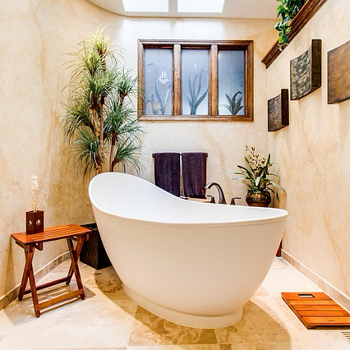
Color, texture and patterns make for more playful backgrounds in unique, cozy spaces. In home staging, you can still embrace this hot trend, even without getting too wild.
Color, texture and patterns make for more playful backgrounds in unique, cozy spaces. In home staging, you can still embrace this hot trend, even without getting too wild.
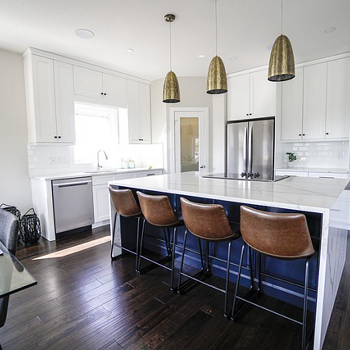
Homeowners are embracing bold and rich colors for kitchen paint in 2025, moving away from traditional whites and neutrals.
While warm whites and classic neutrals will always be a kitchen staple, this year we’ve seen more colorful kitchens than ever before. It’s almost like homeowners are shunning the strict rules of resale value and allowing their personality to shine in the more functional areas of their homes. But we also understand that painting your space a striking sunshine yellow or verdant green isn’t for everyone—this is why we tapped top interior designers to reveal what kitchen paint color trends their clients are actually asking for right now.

With summer coming to a close, we’re back to the season of early mornings, school buses, backpacks, and busy schedules. As your family prepares for the academic year, now is the perfect time to create a productive study space that keeps your kitchen counter free from overflowing homework and school supplies.
Here are four tips for setting up an inspiring study area that blends comfort, functionality, and personality to boost focus and motivation.
After a long day in the classroom, the last thing your child needs is an uncomfortable study environment.
To maximize comfort while prioritizing work efficiency, invest in a cushy chair with good back support. Add a cozy throw blanket as cooler weather approaches. Up the ambiance with a calming scented candle and soft music – like songs from minimalist, classical, piano, or low-fi genres – to maintain focus, enhance relaxation, and avoid distraction.
Fill desk drawers with pencils, pens, markers, sticky notes, paper, flashcards, and notebooks. This can make for interactive note taking, and will help ease stress when it comes to last-minute projects and assignments. Keep school supplies organized with things like drawers, bins, pencil holders, and a file organizer.
It’s no surprise that technology has become increasingly prominent in the classroom. According to a 2023 survey from ZipDo, 89% of K-12 teachers incorporate educational technology in their classrooms daily. Therefore, consider making technology more efficient in the study space. This could include adding extra chargers, headphones, extension cords, a printer, or even a computer monitor to make switching between tabs seamless, especially when studying for a big test.
Good lighting is essential to productivity as well as mood. Ensure your child’s study space is well-lit to help them stay focused and energized while completing their homework. Place the desk by a window for natural light and add a lamp nearby to brighten the area at night.
Consider color-changing lightbulbs that easily adjust from bright white light, which is energizing and enhances focus, to warmer, yellow-toned light, which creates a relaxing atmosphere for winding down after study sessions.
A designated study area that reflects your child’s personality can make a significant difference in their productivity and contentment. Make it an enjoyable place they love spending time in – and check with them while decorating so they have a hand in curating their special space.
Add floating shelves to display photos, favorite books, inspirational quotes, achievements, and artwork. This keeps the desk area free of clutter while still showcasing their personality. Hang up a calendar or planner nearby to help keep track of assignments and deadlines. Then, add fun elements like pops of color, wallpaper, house plants, and more. The key is to create a zone that’s both organized and inviting, combining creativity with efficiency.
Looking for an A+ home of your own – one with ample study space? Contact me today!
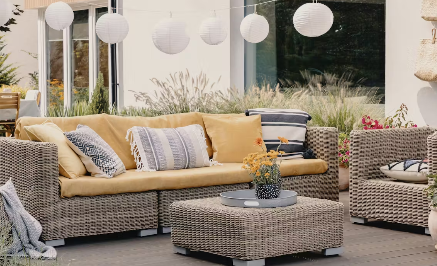
Staying local this season? Here’s a few ways to create a lovely staycation in your own yard.
Summer is a favorite time for a relaxing vacation – and avoiding plane flights or long car rides can create an even more restful experience. For many, the perfect destination is the closest one: Home.
Consider these ways to create the ultimate staycation spot in your own yard this summer.
Chances are, you’ll want to spend a lot more time in your yard if your outdoor furniture is comfortable. Grab some resort-like lounge chairs or upgrade upright chairs with weather-proof cushions.
Other ideas? Opt for a hanging egg chair, traditional hammock, or swing. Sway about as you soak up the sun, catch some ZZZs, or get lost in a good read.
Having a way to spend time outdoors without getting too much sun is important. Try implementing an umbrella or shade covering over your designated lounge space.
For a more permanent solution, consider adding a pergola in your yard. Not only do they provide some coverage by day – especially with cover functionality built in – but they can also be a good place to hang string lights for a twinkle at night.
Your outdoor space can be a place of rest – or, it can be a place of competitive fun. This summer, set up your favorite games (depending on how much space you have to work with) and host a game day with family and friends.
A few classics:
• Badminton
• Cornhole
• Kan Jam
• Giant Jenga
• Croquet
• Spikeball®
• Kubb
Spend summer nights cozied up around a fire in your very own yard. Whether it’s wood burning or gas, a variety of sizes and shapes can fit various spaces. Tabletop options work for those who want the essence of a bonfire – but on a micro-level.
Be sure to abide by local fire regulations and implement best safety practices when using your fireplace.
When you’re on vacation, you may seek out your favorite sweet snacks. So do the same thing on your staycation! Stock the freezer – or patio cooler cart – with your favorite summertime treats, like ice pops, ice cream sandwiches, refreshing beverages, and more. Or, DIY the ice cream parlor experience at home with pints in fun flavors, cones, and toppings. Plus, if you have a fire pit, don’t forget to grab all the fixings for ooey-gooey s’mores.
Other essential supplies include sun protection (SPF cream, hats and visors, etc.), bug repellant spray (or citronella candles), unbreakable dishware, grilling supplies, and pool floats if applicable.
Time to set the scene for a seasonal oasis. In addition to the string lights mentioned above, find fun ways to add color and personal flair to your outdoor oasis. Add a weatherproof rug to help frame a seating area, and add bright hues with potted flowers dotted about.
Doing some yard maintenance will freshen up the space, too, like regular mowing and watering of the lawn, and plucking of weeds from garden beds. Plus, add a fresh coat of mulch or rocks, or even new bushes and plants, to change up the overall look. In some places – like dryer climates – some people opt to xeriscape their yard, saving on water usage and getting creative in the design process.
Looking for a new home this summer? Contact me today!

In drier climates, some people ditch the grass and get creative with other natural elements. Find out ways to save on water and spruce up your home’s outdoor space.
Nurturing a luscious lawn can be a difficult task, especially for those who live in dry climates.
According to the U.S. Environmental Protection Agency, the average American family uses 320 gallons of water per day – and 30% of that goes outdoors, for purposes like watering the lawn. Many homes in the nation’s driest climates – especially in the Southwest – devote 60% of their household’s water usage to outdoor purposes.
Although arid environments provide harsh conditions for a vast array of flora and fauna, many desert-area communities have strict limitations on using water for landscaping purposes. That’s one reason for the popularity of xeriscaping, an artful landscaping design requiring significantly less water usage than a traditional lawn.
Looking for a lower-maintenance option for your yard? Here are a few steps to consider:
Each and every outdoor space looks different. Assess your yard’s needs and determine the best plan for transitioning to a less-water-dependent environment. Some homeowners choose to xeriscape a full front yard or back yard, while others opt for keeping partial grass and repurposing select spaces, like garden beds.
Tip: Observe how the sun moves across your yard throughout the day, taking note of places that receive the most natural light. This can help determine where certain plant species may thrive better than others when you arrange the new elements in your yard.
Planning in advance can also dictate where to group specific plants together depending on their water usage needs. Though xeriscaping requires less water than grass, the plants you choose will likely still need semi-regular watering depending on their unique parameters.
It’s essential to find plants that survive in xeric conditions. Cacti and succulents are popular picks – with hundreds of yard-friendly options to choose from.
One way to cover vast areas of yard is with ground cover plants, which are short in stature but quick to sprawl across an open space. Plenty of these plants, like those in the phlox family, are known for blooming vibrant flowers in shades of pink, purple, blue, and yellow. Other popular options include dianthus, creeping thyme, and star creeper, just to name a few. Many ground plants still need regular watering (especially during prolonged dry spells), but far less than traditional grass.

And, speaking of flowers, a sampling of popular desert-dwelling bloom variants include coneflower, lavender, tickseed, and some types of poppy (among many others). Not only do flowers like these require little water compared to wet-climate alternatives, but they also can add splashes of vibrant color to any outdoor space. Plus, these blooms – along with countless others born to thrive in dry places – are perennial, meaning they grow back each year and won’t need to be re-planted.
Head to a local gardening center and ask what plants and flowers are native to your area. Not only might some of these be great choices for your xeriscaping journey since they’re built to last in your area, but you may also find some that can benefit members of the local ecosystem, like butterflies, pollinating bees and other essential bugs.
Rocks can add dimension to any outdoor space. You can use larger rocks to frame garden beds and line walkways, creating an aesthetically pleasing design or providing value by steering passersby away from prickly plants. Plus, smaller rocks, gravel, and mulch can fill larger spaces and surround plants. This type of coverage makes it more difficult for pesky weeds to thrive.
If you’re looking to save on water and shake up the appearance – and function – of your outdoor space, consider switching to a drought-tolerant design.
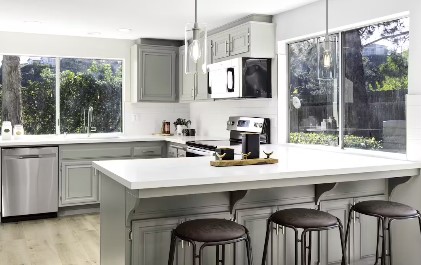
While you’re living in your home, you may find its value is tied to the memories created with the ones you love.
As soon as you list your home for sale, the meaning of “home value” immediately changes. It’s time to pack up those memories – along with your dishes, lamps, and sofas – and focus on all the ways to make your home appeal to as many buyers as possible.
It can be overwhelming deciding where to start on improvements before a move. So, here are nine spots to focus on for value-adding updates that are sure to be big wins – helping make your home the move-in-ready listing today’s buyers are looking for.
It’s not just what’s on the inside that counts. First impressions make or break a home sale, and increasing your curb appeal goes a long way towards boosting that initial impression. Tend to your garden by mulching, cleaning up your edges, and pulling the weeds. Remember that low maintenance landscaping is often most appealing to buyers, whereas complicated topiary and finicky plants can scare them away. Even if your would-be garden space is small, planting some easy-to-maintain perennials can really spruce up the outside.
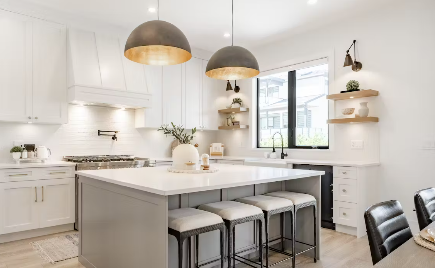
Sconces, chandeliers, and pendant lights are opportunities to modernize and change the feel of your home without undertaking a huge project. Simple, classic designs in timeless metal finishes are great choices because of their mass appeal, and small pops of color or unique pieces can add lots of character if used sparingly throughout the home.
Updating your home doesn’t just apply to design – it applies to ease of use and lack of future maintenance, too. Equipping your home with modern appliances is a must-do if you’re thinking about a potential home sale. They help underscore a turnkey experience for buyers, and they can be well worth the cost of investment.
Don’t overlook the non-glamorous updates and deferred maintenance if you’re hoping to maximize on your investment with your home sale. Potential buyers need to have confidence in all facets of your home or they will not be able to envision themselves living there. That means everything needs to work the way it should: faucets that don’t leak, decks that don’t sag, doors that open according to code, etc. Start by checking up on your roof and HVAC system, and move your way down the list in search of necessary repairs.
If HVAC repairs sound expensive, don’t be alarmed! Curbio has a fix-now-pay-at-closing financial model, meaning sellers never pay out of pocket until closing.
If you’ve been waiting for a reason to finish your basement, before selling is a great time. If you have a space in your home that doesn’t serve a specific purpose or function, it can be a red flag in the eyes of a buyer. Your home value may skyrocket just by clearly defining each space throughout the property. Try converting that catch-all room to an extra bedroom or home office and transform an unfinished basement into a family den.
Kitchens, without a doubt, are the heart of the home. That means that they are typically the first space potential buyers consider when evaluating a home purchase, and kitchen investments are some of the best kinds you can make to increase your home value. First, ask yourself:
• Is my kitchen functional?
• Is my kitchen spacious?
• Is my kitchen sleek?
Next, focus on the areas of improvement that will maximize your home’s value. If your kitchen is relatively new, consider smaller upgrades like fresh hardware. On the other hand, if your kitchen is dated, in need of love, or under-functional, you should seriously consider a kitchen renovation to help your home compete with new builds and win the hearts and minds of buyers.
A spacious, open living area is a desired feature in today’s real estate market. Floor plans with lots of walls and too many separate rooms tend to inhibit a communal feeling and often lack natural light, which can be detractors from your home’s value. Consider opening or removing some of the non-load-bearing walls in your home to form an open floorplan within your living space.
If your backyard is just a patch of grass, that means it’s full of potential opportunity to increase home value. A covered patio, pergola, fire pit, or an outdoor eating area are all great ways to set the scene for an experiential outdoor lounge space – and appeal to buyers. Who doesn’t want a place to roast s’mores, stargaze, and grill out?
Self-care is in, and that means buyers are looking for bathrooms that emulate a spa. Incorporating spa-like finishes will help your bathroom feel luxurious, relaxing, and indulgent. That could entail adding sleek finishes, a soaking tub, and a light, airy color palette.
Now that you’re informed on what updates to complete before listing your home, it’s time to get started! Curbio is a turnkey solution that provides full-scale project management for every pre-listing project, no matter the size or scope. Plus, sellers never pay out of pocket – 100% of the project costs are deferred until closing. Your real estate agent can request an estimate from Curbio free of charge, with a same-day response. Contact me today to get started!
It’s no surprise that lighting plays a key role in setting the tone for a room. After all, sunshine streaming through a window is energizing, a bright lamp is helpful when reading, and a candle is perfect for adding an ambient glow.
Heading into winter – where daylight dwindles and snowy weather can be grim – some home sellers are likely considering how to brighten their space, which may involve enhancing or upgrading the light sources inside and outside the house.
Getting ready to sell your home? Learn how to help prospective buyers view the place in the best possible light – literally.
Refreshed light fixtures and bulbs can make a big impact on the impressions of buyers.
“When most people think of decorating their home, they tend to focus on furniture and finishes. In reality though, lighting is an integral component of design and can absolutely make a difference when it’s time to sell,” explains Jeannie Do, a member of the International Group with RE/MAX Professionals in Lakewood, Colorado, who holds a BFA degree in Interior Design and spent 10 years designing luxury homes and commercial spaces.
“A bright room filled with natural light feels vastly different than a dimly lit room, but both can be appropriate in the right setting,” she continues. “We can use light to control the way a space visually expands and contracts. Bright light helps a space feel larger and cleaner in some circumstances, whereas dim light makes the space recede, feel more intimate, and can also be used to hide things. As a real estate agent, I use these principles to manage my potential buyers’ showing experience.”
Do quips that she knows a home tour is off to a good start when the prospective buyers admire the brightness of a space right away.
“When a home is well lit, buyers see it as a fresh canvas and they’re able to imagine all the possibilities. That’s why we always ask sellers to open the blinds and turn on all the lights ahead of showings,” she says.
“As those buyers venture deeper into the home, it’s okay for certain areas to appear moodier so we can push the perception of a retreat. For example, a primary bathroom suite with a large tub is a great place where we can use dim lighting to evoke a spa-like image.”
Lighting can also help a home seem more updated. For example, if the buyers walk into the bathroom and see dated vanity lights, they may question how well other areas of the home are maintained.
“I liken updating a room but not addressing lighting akin to wearing a five-piece suit with flip flops,” Do says. “The look is almost there, but something is off.”
Many homeowners may have never considered the coloring of their light bulbs. The shades are typically listed on the packaging, described in ways like “natural daylight” or “warm white.”
“The temperature of a light is measured by Kelvin degrees. For residential homes, I would recommend bulbs between 3,000-4,000K,” Do explains. “Any lower and it can get too warm. Any higher, it can be too cold and make your home feel sterile, like a science lab.”
In addition to the brightness of a bulb, the style of a light fixture can also play an important role in staging a home for sale.
Do advises sellers to be cognizant of their home décor – and the look they’re trying to achieve – when selecting elements to incorporate.
“Nowadays, we’re seeing people return to the familiarity of neo-classicism or transitional design – and midcentury modern is still immensely popular,” she says. “While some design movements are more forgiving when it comes to combining styles, others are not. We wouldn’t want to put a heavily industrial light fixture into an organic modern home. Organic modern is about bringing lightness and natural textures into the space, and an industrial fixture with heavy metal detail could look out of place and detract attention from the other parts of the room we’re trying to highlight.”
Examples of fixtures that may benefit from an update include pendants over a kitchen island, additional recess lighting, a contemporary lit ceiling fan (with a remote or wall-mounted control), floor and table lamps throughout, and more. For a dining area, taller ceilings may call for a pendant light (think metal or rattan), whereas lower ceilings may work better with a flush lighting fixture to optimize space.
Do reminds homeowners and home sellers alike to think about the three components of well-rounded lighting design: ambient, task, and accent.
“Ambient lighting is going to be diffused and illuminate a space in a uniform blanket of light that dictates the room’s mood. Task lighting is just as it sounds – it’s a secondary, slightly brighter layer to help you achieve a specific task. Think about under-cabinet lights to illuminate your kitchen counter when you’re cooking, or a table lamp to help you read your book in the evening,” she says.
Accent lighting isn’t used as commonly, but in certain areas it can help set a mood, Do says.
“Accent lighting is what you use to highlight something special about the room. It could be a wall sconce to light up your artwork, or lighting inside a cabinet to draw attention to the decor you have inside. We are calling for the viewer’s attention, and bright accent lighting tends to create an interesting contrast.”
Exterior lighting also contributes to a home’s aesthetic. Swapping sconce fixtures on the front of a home – often on either side of the front door and/or garage doors – for a sophisticated, modern look can elevate curb appeal during the daytime and at night.
When preparing a home to hit the market, sellers may want to consider how buyers could use each space – and stage accordingly.
For example, the COVID-19 pandemic jumpstarted remote work for many, promoting the urgent need for home offices. Though some people have returned back to the office, many employees still work remote or have adopted a hybrid work schedule. This specific use is still a priority for plenty of homebuyers – and therefore, if your home has a workspace, it’s imperative to think about the impact of lighting.
“With the high number of people now working from home, buyers are considering how the lighting changes in their house during the workday,” Do says. “Ask yourself, ‘Is the lighting in the office too dim for a video conference call?’”
According to the 2023 RE/MAX Future of Real Estate Report, many people – particularly homebuyers from younger generations – are seeking out dedicated workspaces with adequate natural light. This was especially true in cities, where 79% of respondents said natural light is an important factor when looking at homes.
Knowing this, sellers with a home office (or a guest room that serves multiple purposes) may want to optimize natural light though small adjustments like switching to brighter bulbs overhead or staging with a statement lamp. The result is a better illustration of how the ambiance might aid productivity.
Unless your house is being sold as furnished, most items inside will come with you when you depart.
It’s important to know the protocol for installed items, like a chandelier or special pendant light. If you have a light fixture in your home that you plan on taking with you when it’s time to move, it’s crucial to disclose it from the start. Talk with your trusted real estate agent about ensuring this in writing.
Ultimately, the quantity and quality of the lights throughout your home play a critical role in showcasing its best qualities to prospective buyers. When you’re ready to sell, contact me! I have expert insights on the transaction – from staging to selling and everything in-between.
Using color throughout a home can be expressive, creative and hold cultural significance. But what happens to that level of personalization when it’s time to sell?
According to Jeannie Do, homeowners preparing a property to sell need to look past their own emotional connection to color and focus on what changes – like a fresh coat of paint – can elevate their home’s overall aesthetic, appeal to buyers, and potentially increase ROI.
Do, an agent and member of the International Group with RE/MAX Professionals in Lakewood, Colorado, holds a BFA degree in Interior Design and spent 10 years designing luxury homes and commercial spaces. Through projects as intimate as renovating a mid-century modern home and as sizable as designing NFL stadiums, Do has developed a keen eye for the role color plays in creating an experiential space and the impact it has on consumers.
Do shares what sellers should – and should not – change up when it comes to their home’s interior paint colors, and what shades serve best as a visual template for prospective buyers.
Colors used to express oneself, Do believes, can oftentimes be a reflection of their personality, mindset and values. Working with clients from all around the world, including countries like Morocco, Japan, Taiwan, Mexico and more, Do regularly sees the tie between home color and culture.
“As a member of the International Group with RE/MAX Professionals, we work with a lot of Asian clientele and in many Asian households, you may see the color red because it represents good fortune and is very auspicious,” she explains. “Red is a color of high energy and I think that can relate to the dynamic of Asian families who cherish their extended family and host lively gatherings all together.”
She continues, “That said, red is typically a color we would avoid in home staging because it’s seen as a statement color.”
Many home stagers agree that while color is a great way to be expressive while living in a space, it’s often best to eliminate brighter shades when preparing a home to sell in order to appeal to more buyers.
“When it’s time to sell, you should aim to remove yourself from the house and make it a blank slate – almost like an art gallery,” Do says. “Galleries usually have white walls because it allows the art to shine without making an impression on it. I tell my clients to approach their own homes in the same way – you need to set your house up as the neutral gallery for the buyer to see as their next piece of art.”
While neutral paint colors are typically timeless, Do shares that there can be a place for brighter colors to stay up or be added in when preparing a home to sell. If the seller’s goal is to match their home with current design trends, like today’s buzz around mid-century modern style, for example, then in-theme colors may be embraced by prospective buyers.
“Right now, the rich jewel tones are on trend, like hunter greens, deep blues and mustard yellows. If they’re implemented in a design-forward way that could appeal to the current buying market, I would say to leave it up on the walls and carefully curate the space around it,” she says.
Do warns that some wall colors, on the other hand, can actually date a home.
“Color doesn’t necessarily always have to go. But if we’re seeing those dark brown or rich red hues from the early 2000s, it may do a disservice to the overall aesthetic of your home. In these cases, I definitely recommend changing it to a color that’s more neutral,” Do advises.
Homes vary in size, have unique layouts and receive different quantities of natural light, thus requiring different shades and undertones of paint even within one color family. That said, Do often finds herself suggesting the colors Swiss Coffee by Benjamin Moore, a neutral-toned white, and Pure White by Sherwin Williams, a creamier tone, to her clients as safe bets for creating a gallery-like effect.
Consumer preferences also have a longstanding history of mirroring societal trends. While cooler grays were preferred for a period of time, warmer neutrals are rising in popularity.
“Because of the change in lifestyle due to COVID-19 in the last couple of years, people are actually starting to favor warmer tones for their mood-boosting and comforting effects. It’s all about psychology,” she explains. “Because people are so uncertain about what’s happening in the world, they want to come home to a place that makes them feel safe.”
Wall color surely sets a backdrop. But the rest of the elements within a home’s interior have to align to create a space that buyers can envision themselves and their families living in.
“Your furniture and décor pieces have to be cohesive with the wall color. If you have really modern furniture but dated wall colors, the interior can feel disconnected,” Do says. “It’s much harder for buyers to picture how they would personalize, furnish and decorate the home when it doesn’t feel natural.”
Do understands that for many, it’s not in budget to make big changes to a home before hitting the market. In addition to decluttering the space, she shares a few other tricks for staging just with existing items within the home.
“Lighting and window treatments are a relatively easy way to elevate a space. It can even be as simple as moving your curtains all the way up to the ceiling to visually elongate the walls and make the ceiling seem higher,” she explains. “Bring in as much natural light as you can. In smaller spaces, consider swapping out heavier curtains for ones that are sheer to really optimize sunlight.”
A qualified seller’s agent will have insight on the local housing market, have seen comparable properties, and can provide further suggestions to help prep a home to sell.
“When it’s time to sell, just keep in mind that you’re trying to appeal to others’ taste, not your own. Getting rid of personalization and loud wall colors can help the process move along much smoother and attract more buyers along the way,” Do says.

Black is popping up everywhere in home design, from flooring to windows. Black feature walls also are trending. Matte black finishes have become popular choices for hardware, decor, and finishes.
Take a look at some of the latest trends:
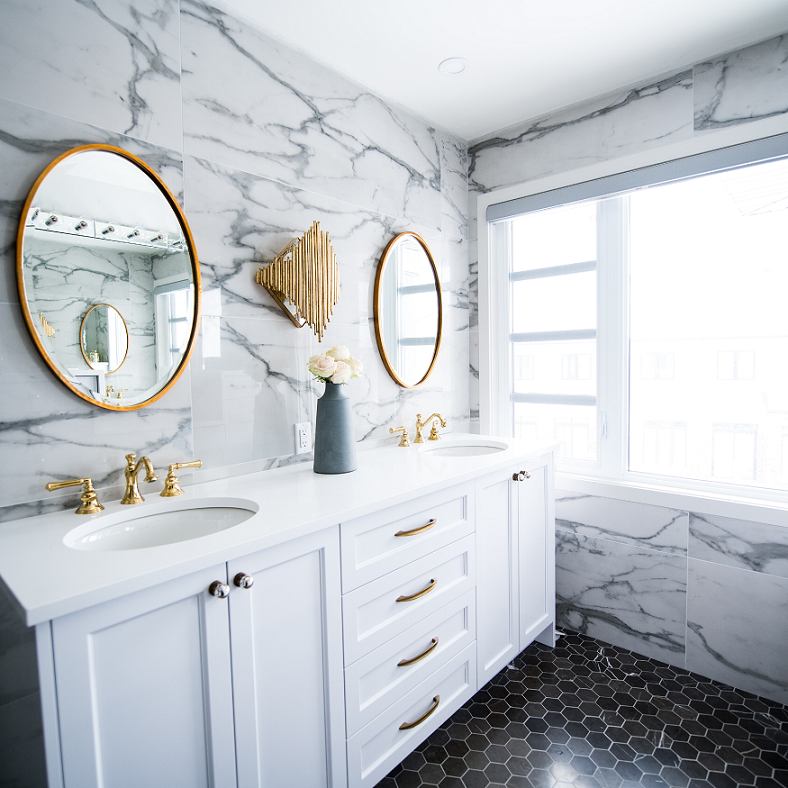
Matte black finishes are mostly found in kitchens and bathrooms, often up against a white background for a high-contrast look. It’s being used in both modern and more traditional spaces. Matte black is an easy-to-maintain finish: No need to polish!
Also, matte black is increasingly appearing against brass for an even trendier look, which you can get in one fixture. Kohler is now offering a faucet that is half brass and half matted black—two finishes in one.
Windows are coming to the forefront. A black window trim can add an industrial look to a space.
Few paint jobs are bolder than painting a wall black. But up against lighter colors, a black feature wall could provide drama to liven up your space.
A black front door can add some luxury to a home’s curb appeal. Black doors on white homes create a trendy farmhouse style, but the look can work on other home styles, too.
Source: Realtor® Magazine
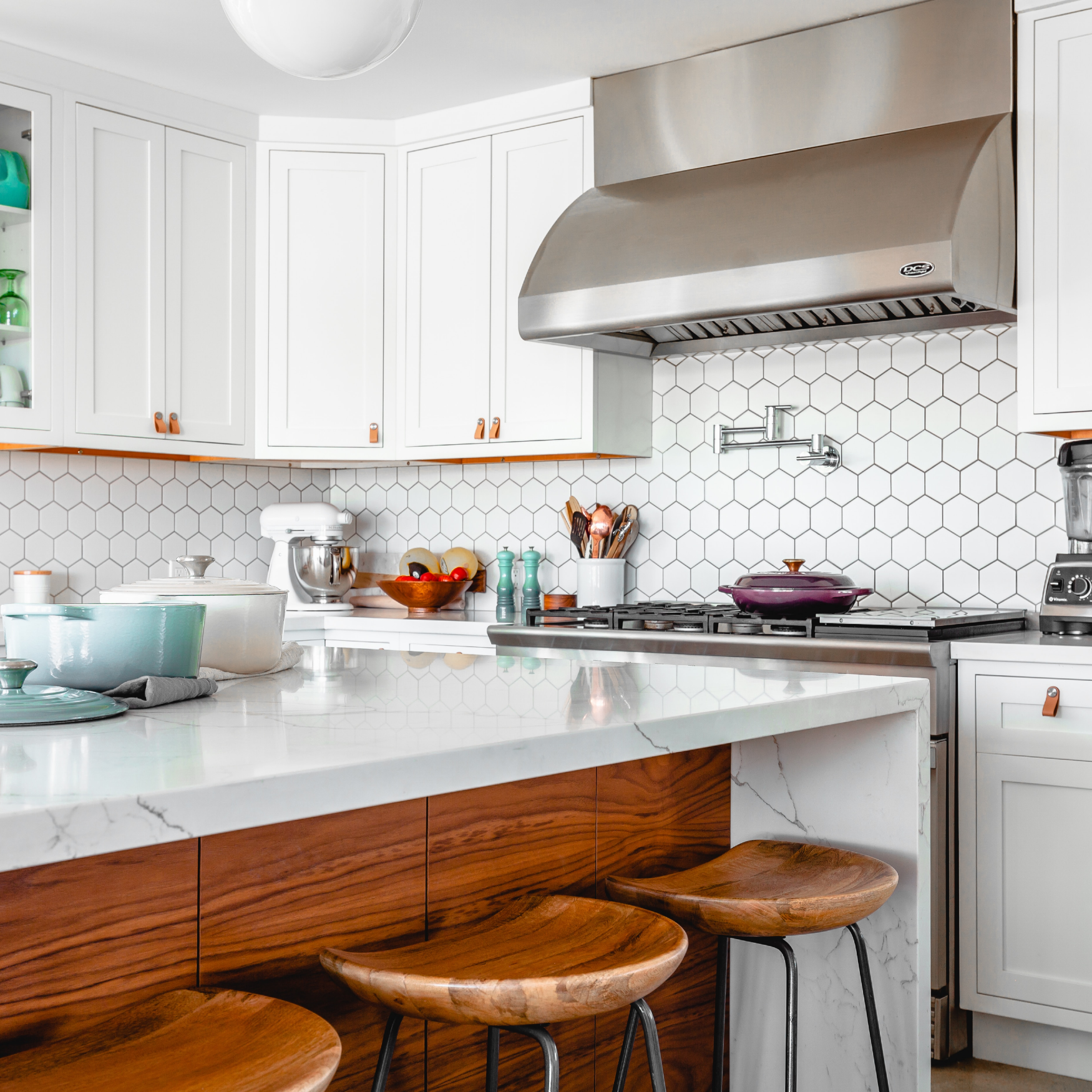
The kitchen is the heart of the house where everyone congregated during the pandemic, and it’s still the go-to room for multiple functions—that means it keeps changing.
The kitchen became an even more significant heart of the home during the pandemic as the focal point for gathering, working, entertaining, and, of course, cooking, says Joe Fava, CEO of Fava Design Group in Miami. Now, homeowners are putting more into their kitchen space—literally. They’re buying larger refrigerators, freezers, and sinks, and second dishwashers and ovens, he says.
Homeowners are entertaining and cooking even more at home, and the price tag reflects their exuberance. Those who can afford to do so spend upwards of $100,000 on kitchen upgrades. But your clients don’t have to pay that much to get a kitchen they love. Much smaller, less costly improvements can make any kitchen more appealing.
Source: Realtor® Magazine
 Managing The Real Estate Details