4 Landscaping Ideas for Your Front Yard

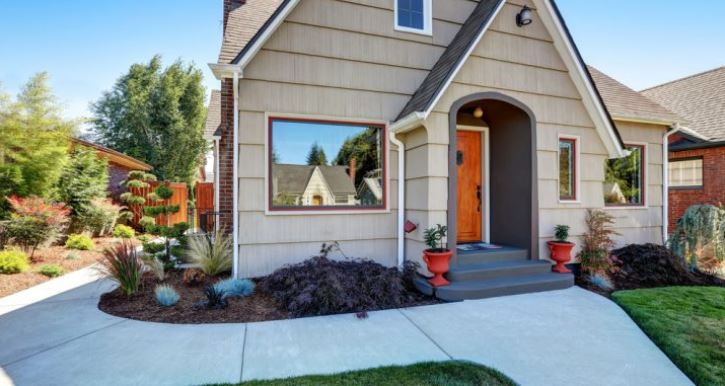
Even if you can’t tell a tulip from a turnip at the garden center, you can still create eye-catching curb appeal by paying attention to the basics of good landscaping, especially in the front yard.

Ignoring your front yard — or doing something that’s out of character with the neighborhood — can jeopardize the assessed value of your home.

Landscape economist John Harris says good landscaping can add up to 28% to the overall value of a house and cut its time on the market 10%-15%.

Here are the top suggestions from real estate agents, appraisers, and landscape designers for boosting the curb appeal of your yard:

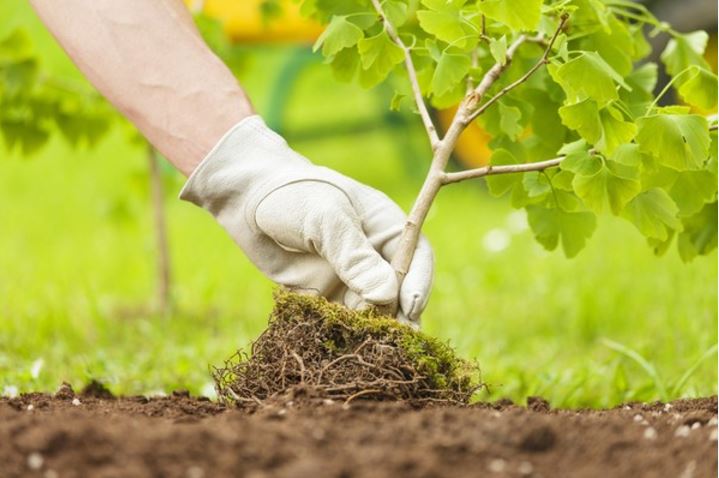
#1 Plant a Tree

The value of mature trees is particularly difficult to determine. Lucco says that in his market, mature trees contribute as much as 10% of a $100,000 property’s overall value. In addition, a properly placed shade tree can shave as much as $32 a year on your energy bills. Expect to pay $50-$100 for a young, 6- to 7-foot deciduous tree.

You can make your own initial assessment of the value of your property’s trees by visiting the National Tree Benefit Calculator. For example, a mature Southern red oak tree with a diameter of 36 inches in the front yard of a house in Augusta, Ga., might add $70 to the property value.

#2 Green Up the Grass

If your house has a front yard, make sure it‘s neat and green by following a lawn maintenance calendar. You don’t want bare spots, sprawling weeds, or an untrimmed appearance.

“It’s so simple to go to Home Depot, buy fertilizer, apply it every six weeks, and water it,” says Mitch Kalamian, a landscape designer in Huntington Beach, Calif. “It will green up.”

If the yard looks really scruffy, you may decide to invest in some sod. Sod will average about 15-35 cents/sq. ft., according to the National Gardening Association. If you hire a landscaper to sod your yard for you, labor will add 30% to 50% to the total cost of the project.

Another alternative is to plant low-maintenance turf grasses. Turf grasses are durable and drought-resistant. Expect to pay $18-$30 for enough turf grass seed to plant 1,000 sq. ft. of lawn area.

#3 Landscape Lighting

For homeowners who have made a sizeable investment in landscaping, it makes sense to think about adding another 10%-15% to the bill for professional outdoor lighting. After all, buyers aren’t always looking at houses on a Saturday afternoon.”

The cost of a system runs from $200 for a DIY installation to more than $4,000 for a professional job. If you‘re doing it on your own, the key is to light what you want people to see, such as mature trees and flowering shrubs.

#4 Colorful Planting Beds

Flower beds add color and help enliven otherwise plain areas, such as along driveways and the edges of walkways. In general, annual flowers are a bit cheaper but must be replaced every year. Perennials cost a bit more but come back annually and usually get larger or spread with each growing season.

If you’re not sure what to plant, inquire at your local garden center. Often, they’ll have a display of bedding plants chosen for their adaptability to your area. Also, they‘ll be inexpensive because they’re in season, says Peter Mezitt, president of Weston Nurseries in Hopkinton, Mass. Try pansies in the summer, and asters and mums in the fall to add vibrant color. “That’s what we do around the entrance to our garden center,” Mezitt says.
Fast, Affordable Online Interior Design Options

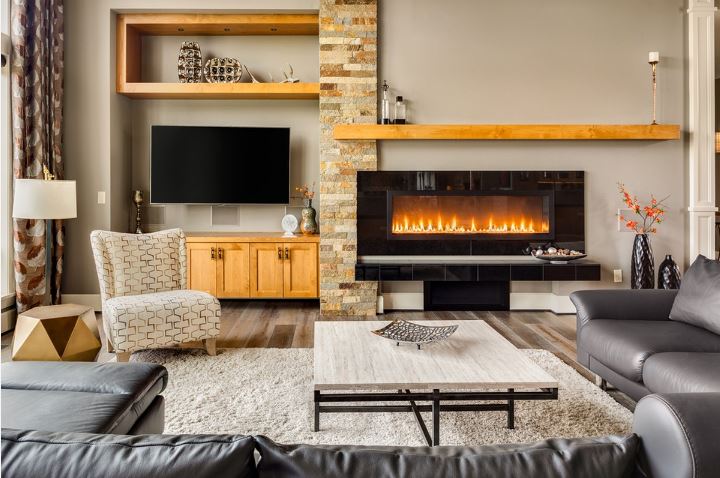
It was only a matter of time before the internet would disrupt how the design trade has worked for decades.

In the past, interior designers ordered almost every piece of furniture or decor from trade vendors on behalf of their clients, and billed them an hourly rate plus charges for purchases—typically, wholesale plus a markup or retail minus a discount. Then, it would take the merchandise months to be fabricated and delivered.

Obviously, homeowners were exhilarated when other resources emerged, such as HGTV shows, hip housing magazines, and online idea sites such as Houzz and Pinterest, allowing them to take a more active role in home design. The latest iteration to shake up the process is online companies that employ staff designers or freelancers with the goal of simplifying the designer-homeowner partnership and allowing the act of home furnishing to became transparent, faster, and more affordable.

Read the full article on REALTOR® Magazine…

House hunting pet owners place high priority on spaces for pets

Real estate brokers are keenly aware of the priority home buyers and home owners give to their pets.

Recent Realtor.com research showed 89 percent of millennials who bought a home own a pet. Of this demographic, 79 percent of pet-owning buyers who closed on a property said they would pass up an otherwise perfect home if it didn’t meet the needs of their pets.

A recent pet parent who purchased a home said she even picked her Realtor® for her pet-friendly attitude, having learned the broker she chose had worked with several volunteers at a local animal shelter.

“It’s heartwarming to find that people will put their pets’ needs first, even when it comes to one of the biggest financial decisions they will ever make,” says Nate Johnson, chief marketing officer for realtor.com. “This survey shows that we really do consider pets part of the family-and that their needs are a critical part of finding the perfect home.”

While dog owners typically desire homes with large yards, cat owners have different space considerations, ranging from where to place to litter box to find ways to satisfy the feline’s curiosity and craving for exercise and environmental enrichment.

Cat owners on the move face an “indoor/outdoor” dilemma, according to Cynthia Chomos, who teaches classes for real estate brokers on various topics including “feng shui for buying and selling” and “color appeal for a quicker sale.” A few years ago, she started applying those skills to her other passion: creating safe, enriching outdoor enclosures for cats, sometimes known as catios or cat patios.

“Cats, whether living mostly indoors or allowed outside, are naturally drawn to the stimulation of the outdoors, but responsible cat owners know a variety of outdoor hazards lurk, especially for free-roaming cats,” according to Chomos. Veterinarians can confirm the consequences of unprotected outdoor time can be traumatic and expensive.

Having a safe and stimulating environment for beloved pets is paramount, but home buyers who search for pet-specific amenities also care about aesthetics.

“You can have a beautiful house and a pet, too,” says Julia Szabo, pet columnist for the New York Post and author of Animal House Style: Designing A Home To Share With Your Pets.

Chomos, who founded Catio Spaces in 2014 and is a licensed contractor, agreed, stating, “Rather than looking like an unsightly cage, catios can resemble outdoor rooms. She builds custom catios around Puget Sound and offers downloadable plans for DIYers who prefer to construct their own or hire their own carpenter.

Cat enclosures and protected perches come in a variety of shapes, sizes and styles. (Editor’s note: a Google search uncovered more than 4 million results for the keyword catio!)  PETA describes catios as being akin to “a vacation beach house for your feline friends.”

Escape-proof materials and components are essential, according to those who build them. Additional elements often include shelves for vertical and horizontal movement, perches for lounging, toys for enrichment, cat safe plants, seating and space to decorate.

From small and simple to large and luxurious, the enclosures can be an attractive addition to a home while ensuring the health and wellbeing of cats – as well as cat owners, birds, and other wildlife. Large catios provide outdoor space for feline and human bonding while enjoying the benefits of nature.

As a pet lifestyle expert, Chomos helped found “Catio Tour Seattle,” a showcase of local catios, and collaborates with others to promote the benefits of catios. The annual catio tour, is organized by PAWS as part of its Safe Cats, Healthy Habitats project and sponsored by Catio Spaces, The Humane Society of the United States, Oskar & Klaus and Seattle Audubon. This year’s event is scheduled for Saturday, July 13.

Source: Seattle King County REALTORS® Northwest REporter

Be Cautious About Renovations Without Permits

Some homeowners bypass the permit process when they remodel their home. They may find the process too expensive or cumbersome. Permitting fees can sometimes cost hundreds of dollars or more. Some homeowners may believe that if they go ahead with a kitchen or bath remodel without a permit, they’ll likely never get caught.

But failing to get a permit could be troublesome when they go to sell the home.

Most states require homeowners to fill out a disclosure statement when they go to sell. In that form, sellers are usually asked if they completed work to the home without a required permit. Lying about it can also backfire—the sellers could be sued later by the new homeowner for making false statements.

“You can personally become liable for work carried out without permits,” writes Bill Gassett, a real estate professional with RE/MAX, REALTORS® in New England, for RISMedia’s Housecall. “Maybe the finished basement built by the previous homeowner with the fancy kitchen that sold the home has to be ripped out, or you’ll have to pay a penalty.”

Also, if there’s any incident that was caused by the lack of permits, the homeowner may face a denial of their insurance claim. If their insurance company finds they didn’t have the required permit, they could deny the claim. Many of these denied insurance claims stem from incidents that involve remodeling projects around electricity, gas, or water that were done without the appropriate permits.

Source: REALTOR® Magazine

3 Home Repairs That Can Save a Sale

Sellers whose homes aren’t in tip-top shape may need to spend extra money or put in a little elbow grease to get their properties in market-ready condition. But what are the most important repair or maintenance tasks that support a higher asking price? “Smaller and less expensive updates in combination with good staging will have a great return,” Susanna Haynie, GRI, a sales associate with Colorado Real Estate Group in Colorado Springs, told HouseLogic. The National Association of REALTORS®’ consumer-facing news service highlights some of the most important items to address before putting a home up for sale.

How smart is your home?

In 2019, it’s possible your house is smarter than you. Designed to provide energy efficiency, security and comfort conveniences, the smart home can do it all on command. Control lighting, heating, cooling, appliances, televisions, computers and other security features with smart technology that communicates with each other and can be remotely controlled via a smart phone or online. Internet connectivity and cloud storage makes all this smart home technology possible by bringing convenience and electronic intelligence right to your fingertips. If you’re technically-challenged, don’t worry – we suggest starting small to go big with technology with three easy technologies to make your home smarter this year.

  1. Set Smart Temperatures
    Most thermostats only read the temperature in one area (usually the hallway) which can make other rooms too hot or too cold. Technology like ecobee4 or Nest comes with room sensors to help manage hot or cold spots. When sensors are placed in the most popular rooms, the smart gadget can read the temperature, detect occupancy and adjust the temperature so it’s just right.
  2. Sensing Leaks
    Smart leak detection sensors monitor your home’s plumbing with the purpose of discovering leaks and malfunctions. They can assist you in preventing water damage and the growth of mold and mildew inside a wall due to a slow leak.
  3. Open and Shut
    If you have ever left home for the day or, even worse, been on vacation and suddenly you’re unsure if you left the garage door open – a smart garage door opener offers convenience, improved home security and peace of mind. Check the open or closed status of your garage door via an app on your smartphone as well as open it or close it remotely – in other words, it’s possible to be on the other side of the Earth and still control your garage door.

The 2019 Color of the Year Is…

Expect to see more coral hues in home design next year. Pantone, the corporation known for its paint forecasts, unveiled “Living Coral” as its 2019 Color of the Year. The color, an orange shade with golden undertones, embodies “warmth and comfort,” Pantone says.

Living Coral can make a bold statement as an accent color, and forecasters expect to see it in more shag rugs, cozy blankets, and upholstery to “create a warm, comforting, and nurturing feeling in the home.” “With its ebullient nature, Pantone’s Living Coral adds a dramatic pop of color to any room setting, whether in decorative accessories, tabletops, or on the wall,” Pantone said in a statement.

Living Coral succeeds Pantone’s 2018 Color of the Year, Ultra Violet. Other paint companies have been offering their picks for the 2019 Color of the Year. Behr chose a rich, bluish hue called “Blueprint,” while Sherwin-Williams chose “Cavern Clay,” a warm terra cotta color.

Source: Pantone

6 Master Bathroom Trends to Watch

Grays, mixed metals, and farmhouse styles are some of the most popular trends for remodelers taking on sprucing up their master bathroom.

The 2018 U.S. Houzz Bathroom Trends Study is based on a survey of more than 1,100 homeowners who are planning or recently have completed a master bathroom renovation. Some of the trends that emerged from the report:

1. Seeing gray: Gray colors continue to dominate for walls and flooring in the bathroom. Gray cabinets are also gaining popularity, climbing from a 10 percent share in 2016 to 16 percent in 2018.

2. Taking the upgrade: More homeowners are upgrading their master bathrooms with special features when they remodel. The most popular premium features are dual showers, one-piece toilets, vessel sinks, and built-in vanities.

3. Mixing up the metals: Two in five renovating homeowners do not match metal finishes across fixtures and hardware in master bathrooms. Of the 58 percent of renovating homeowners who do match metal finishes, the most popular options are matte nickel and polished chrome (38 and 28 percent, respectively).

4. Going a little country: Farmhouse styles are jumping in popularity. While contemporary style continue to be the leading choice among renovating homeowners, the style has dropped over the past three years. Farmhouse style, on the other hand, has more than doubled in popularity, from 3 percent in 2016 to 7 percent in 2018.

5. Making it accessible: The majority of baby boomer homeowners (ages 55 or older) are addressing aging-related needs during master bathroom renovations. Nearly half of renovating baby boomers are changing the bathroom layout, and one-third are removing the bathtub. Other upgrades include installing accessibility features like seats, low curbs, grab bars, and non-slide floors in upgraded showers and bathtubs.

6. Building a master suite: The study found that homeowners are focusing on their master suite as a whole, not just the bathroom in their updates. Nearly half of master bathroom projects also were accompanied by master bedroom renovations (46 percent). Some homeowners are making their master baths even larger than their bedroom. One in ten master bathrooms is the same size or larger than the master bedroom (11 percent).

Source: REALTOR® Magazine

8 Affordable Ways To Boost A Home’s Curb Appeal


Your home’s curb appeal could be make or break for the amount of showings you have. In the same way curb appeal can attract potential buyers through your door, a less than spectacular home front can also be a detractor. From upgrading landscaping to refreshing paint, consider these eight affordable ways to boost your home’s curb appeal and entice buyers to add your home to their “must see” list:

  • Update Outdoor Lighting

An easy way to instantly add interest and depth to an outdoor space is to replace dated lighting fixtures with new ones. There are many lighting options on the market in a wide range of colors and styles. Most choices are quite affordable and you will be amazed at what a few dollars can do in upgrading the overall look of your outdoor space.

  • Keep It Mowed

A freshly mowed lawn is essential to boosting your curb appeal when trying to sell your home. Mowing your lawn on a weekly or 10 day basis will allow it to grow enough between mows so that you don’t damage the grass. Make sure to also allow time for edging and clear away any clippings before your house is shown to potential buyers. Keeping your lawn in top condition is always a good idea to boost curb appeal.

  • Fix The Small Things

Do a thorough look through your front porch to find any small issues that have gone unnoticed for years. Fix small things like a slit in the window screen, tightening the mailbox, or replacing a burned out lightbulb. Attending to these small things can add up when it comes to receiving an offer for your home.

  • Add Some Flowers

Pick up a few beautiful sets of flowers from the garden center and plant them in a pot next to the front door. Colorful flowers will add instant beauty to the space and welcome guests into your home. Consider adding a few different colors to help create an interesting and inviting atmosphere.

  • Trim Up Shrubs

Get out your shears and trim up bushes and plants that have overgrown their spaces. All you need is a little bit of elbow grease to freshen up your landscaping. Trim bushes into eye pleasing shapes with rounded edges and give every plant in your garden enough room to shine while still being a part of the overall landscaping picture.

  • Touch Up Paint

You most likely have a can of leftover paint in the garage or basement. Use this to touch up areas of your house that could use a fresh coat of paint. Consider items like the mailbox, house numbers, or plant pots that have seen a few years since their last painting. If your front door needs some help consider painting it to add a fresh look to your home.

  • Power Wash It

You will be amazed by the amount of dirt a good power washing can lift from your home. Renting a power washer for a day is also a good and affordable way to add curb appeal to your home. Another affordable option is to consider borrowing one from a friend to save on expenses. Pay close attention to the outside of your home as well as gutters, patios, walkways, and patio furniture.

  • Add Some Mulch

Picking up a few bags of mulch at a garden center is a great way to add instant curb appeal to your landscaping. Mulch not only looks great but it also provides essential help to plants by helping to retain water as well as keeping weeds at bay. Simply add a few inches of mulch around trees and garden beds to instantly raise the overall look of your home.

There are many ways that you can instantly increase your home’s curb appeal without breaking the bank. Consider ways that you can help your home for little to no cost. Doing any of the above tips can help boost your home’s resale value.

3 Bathroom Trends Homeowners Might Want to Avoid

Bathroom makeovers can help enhance a property, but homeowners should be careful not to be too trendy or it may have the opposite effect. HouseLogic detailed several recent bathroom trends that homeowners might want to reconsider, including:

Tiny tiles

Mosaics of tiny colored tiles may be on-trend and offer a retro vibe to your bathroom, but they’ve also earned a reputation as being a pain to keep clean. Tiny tiles mean more grout to clean and maintain. Instead of doing a large space of tiny tiles, HouseLogic recommends using them as an accent, such as the wall surrounding your vanity. Choose a place where they won’t get wet on the floor, in the tub, or in the shower so that cleaning them is less of a chore.

Hardwood floors

The flooring may be a hot choice for the rest of your home, but they can be a pain in the bathroom. “It will warp next to a shower or tub if not dried after each use,” Tanya Campbell, a designer for Virdis Design Studio in Denver, told HouseLogic. “Also, tile is more sanitary.” If the wooden look is what you want, opt for something that resembles the exterior, but is actually tile.

Colored tubs and sinks

Color is gradually entering more bathrooms. But don’t forget the lessons from the 1950s pastel bathroom craze that brought in pink and aqua sinks. That had renovators ripping them out a few years later in favor of white, a safer choice for the long term. “The bathroom is one of the most expensive rooms in the house to do, and so I try to be very safe because the parts are going to be expensive to change out—like a tub,” Suzanne Felber, a designer in Dallas, told HouseLogic. If color is what homeowners want, opt for painting the walls instead; it’s easier to change later on.

Catch more bathroom trends worth reconsidering at HouseLogic.com.