Drastically Improve Your Home With These DIY Projects

Looking for some home improvement inspiration? Here are a few suggestions for projects that won’t break the bank or steal more than a weekend or two.

  1. Make an entrance

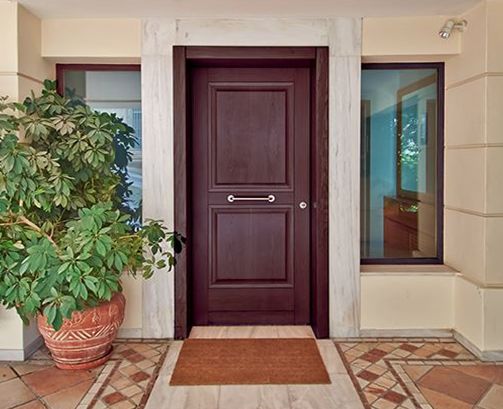
The entrance to your home is a focal point and a few simple changes can leverage its impact. Sand and repaint your front door or invest in a brand new one. Add some bling with new address numbers, knobs, doorbells or knockers. Frame the door with planters to help complete the picture.

  1. Class up your cabinets

You don’t need to buy new cabinets to give your kitchen a new look. Add a fresh coat of paint, or try out new cabinet hardware (buy knobs and pulls that are the same size as the ones you have to save installation time) for details that give the upgrade an added level of elegance.

  1. Make a splash

You don’t need to be a pro to install a new kitchen backsplash. Many home stores offer quick classes, or you can cruise YouTube for “how-to” videos. Customize your kitchen with ceiling tiles, glass or ceramic tiles, wood or stainless steel.

  1. Crown yourself

Crown molding around your walls is a simple addition that can add a ton of character. If you don’t have woodworking tools, don’t panic. Home improvement stores can cut strips of molding to your measurements.

  1. Look to the little things

You’ll be surprised at how much of a difference swapping out old switch plates, outlet covers and doorknobs can make.

Do your ambitions extend beyond a few small projects? Maybe you’d like to tackle an entire fixer-upper? Or perhaps you know of someone else who would? I’ll be happy to help; contact me today!

What Owners Want in Kitchen Remodels

Kitchen revamps tend to be one of the most popular home remodeling projects. About 10.2 million American households tackled a kitchen remodel or replacement work in 2015, according to a recent report from the National Kitchen & Bath Association. Homeowners tend to want new flooring, countertops, cabinets, sinks, and faucets in their kitchen remodels.

The majority of homeowners aren’t spending big bucks in their renovations. Forty-one percent of homeowners’ work in their kitchen remodels was devoted to replacement projects costing less than $1,500. Twenty-two percent of respondents say they had minor remodeling done, between $1,500 to $5,000; 18 percent of homeowners had major remodels completed that cost between $5,000 to $10,000; and 19 percent completely remodeled their kitchens, spending more than $10,000.

Read the full article on REALTORmag…

5 Ways to Save on Home Renovation Costs So You Don’t Go Broke

Is your kitchen hopelessly outdated, and your bathroom a blast from the past? Then it sounds like you’re overdue for some home improvements. There’s just one problem: Remodeling can be a huge undertaking—and a costly one at that. The average kitchen remodel will set you back $60,000; a bathroom overhaul, $17,908. Ouch! But hey, that’s just the average price homeowners pay. Plenty of home renovations can fall way under that wire if you know some tricks to keep your home improvement budget in check. Check out these smart ways to save on home renovation costs to achieve the home of your dreams without blowing wads of cash.

How Trees Benefit Home Values

The U.S. Forest Service Pacific Northwest Research Station says that planting a tree in front of a house increases the home’s sale price by an average of $7,130. So, in essence, money can grow on trees.

Planting a tree on the west side of a home can reduce a home’s energy bills 3 percent within five years and 12 percent within 15 years. Specifically, west-side trees can bring summertime electric bills down by an average of $25 a year and reduce air conditioning use by 30 percent, according to the Forest Service.

Trees and other landscaping can also lower the impact of damaging winds on a home, potentially reducing 35 mph winds to 10 mph, according to the Arbor Day Foundation. This also lessens the load on the furnace working to heat the home on those cold, windy days, which can bring energy bills down by 30 percent.

Read more…

Creating A Patio Scene That Sells

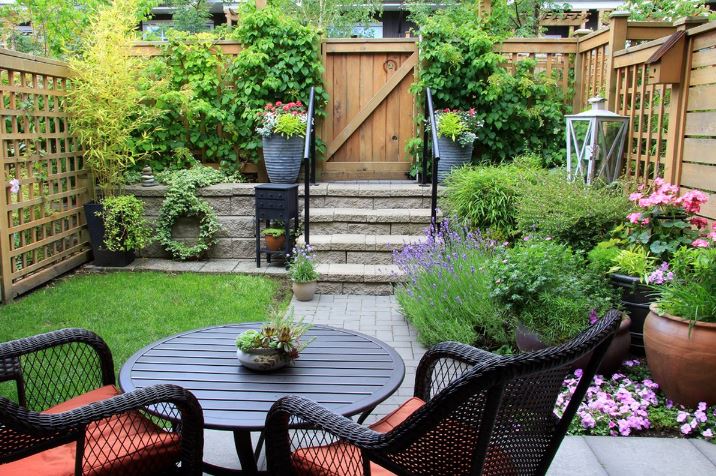
Whether you’re selling an oceanfront property in Miami Beach or a Colorado mountain escape, a home’s outdoor space is often key in the potential homeowner’s willingness to say, “We’ll take it!” With property values on the rise, it’s important to create additional living space by bringing the indoors out.

No matter the size, creating an inviting area for entertainment and daily living doesn’t have to be a massive construction ordeal. Instead, just a few simple additions to the outdoor space can make all the difference. Let’s take a look at ways to create a refreshing outdoor scene that sells, complete with fresh patio furniture and accessories perfectly matched to the home’s architecture and surrounding scenery.

5 Tips for Budgeting a Remodel

Planning to remodel?

While the total cost of your project will depend on its scope, materials and the fees of any professionals you hire, here are some suggestions for beginning to craft a renovation budget.

1. Determine where the money will come from

Will you use savings? Or will you take out a home equity loan? Once you determine your source of funding, determine how much you want to spend on the project – and stick to that limit.

2. Set your priorities

Before you pull out a calculator, clarify your reasons for renovating. Divide those reasons into “wants” and “needs.” For example, reconfiguring your bathroom so that your currently questionable electrical and plumbing will pass an inspection is a “need.” His-and-her water closets, a whirlpool tub and built-in towel heaters are “wants.” Setting priorities will help you make decisions as you move through the renovation process.

3. Step away from the computer

Visit show rooms, model homes and design stores in addition to checking out pictures online. Before investing in materials and appliances, be sure to see and feel them, or samples of them, in person.

4. DIY or contractor?

The biggest question to answer when creating your budget is deciding whether to do the work yourself, or to hire a contractor. Doing the work yourself is usually less expensive – unless, of course, something (costly) goes wrong. Using a contractor, however, can mean your project is completed to professional standards and usually in a shorter time frame. Be sure to calculate the value of your time (and your back and knees) and the inconvenience of having a bathroom or kitchen out of use during the project when deciding whether to opt for DIY or a pro.

5. Expect the unexpected

Whether you plan to do the work yourself or hire a contractor, add on an extra 15 to 20 percent of your total budget for unforeseen expenses. Added costs inevitably arise, especially if you’re dealing with an older home.

Want to know which home renovations could improve your resale value? Contact me – I’ll be happy to help!

8 Emerging Design Trends Will Be All the Rage in 2017

living-room

With the start of 2017, we’ve said farewell to some tired interior decor trends that have worn out their welcome. Once considered innovative and edgy, those bad boys are now giving us the blahs.

But, when one trend goes out, another must come in. It’s the design circle of life!

So what’s replacing the old fads with fun, new ideas? Your friends will fawn over these eight trends—from “jungalows” to jewel tones—that promise to hit it big in 2017. Want to be a showoff (the good kind)? Be the first to integrate them into your home.

Read about them here…

The Renovations That Will Pay Off the Most for Your Home in 2017

updates-for-your-home

New year, new home improvement projects? Whether you’re dying to update your kitchen, add a half-bath, or kick back on a brand-new deck, it pays off big-time knowing just what kind of return on investment your dream renovation might deliver. And you’re in luck, because Remodeling magazine has just released its annual Cost vs. Value report, which analyzes what you’ll pay for various upgrades—and how much you’ll recoup on that investment when you sell your home.

For this much-read report (which, by the way, is celebrating its 30th anniversary), researchers scrutinized 29 popular home improvements in 99 markets nationwide, polling contractors on how much they charge for these jobs as well as real estate agents on how much they think these features boost a home’s market price. From there, they divided each project’s upfront cost by the home’s resale value; the resulting percentage gives you a sense of how well each particular reno “investment” pays off.

Read more…

Open Floor Plan Still Popular

Front Door

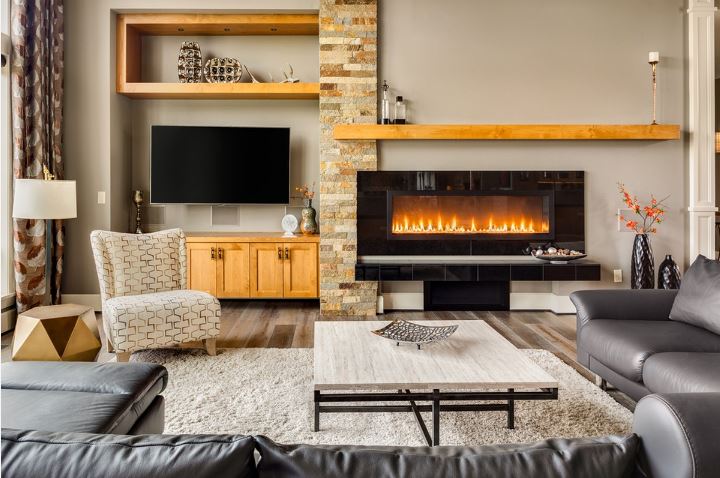
Open floor plans continue to reign. Eighty-four percent of builders say that in the typical single-family home they build, the kitchen and family room arrangement is at least partially open. Fifty-four percent say it’s completely open, according to responses from a September 2016 National Association of Home Builders/Wells Fargo Housing Market Index.

“Completely open” essentially means the two areas are combined into the same room. Partially open signifies areas separated by a partial wall, arch, counter, or something less than a full wall.

Seventy percent of recent and prospective home buyers say they prefer a home with either a completely or partially open kitchen-family room arrangement; 32 percent say they prefer the arrangement completely open, according to an NAHB survey.

Only 16 percent of buyers say they want the kitchen and family rooms in separate areas of the house.

As demand continues to increase for open floor plans, homeowners of existing-homes are also looking to open up their kitchen and family room areas. Professional remodelers report that 40 percent of their projects involved making the floor plan more open by removing interior walls, pillars, arches, etc., according to first quarter of 2016 data in the Remodeling Market Index.

Source: “Builders Satisfy Demand for Open Floor Plans,” National Association of Home Builders’ Eye on Housing blog

Small-Cost, Big-Impact Updates for Your Home

updates-for-your-home

Consider making some of the following updates before listing your home. It could add to your confidence when putting your home on the market, and possibly bump up the sale price as well.

  1. Do a walk-through of your home

Visit each room and make a checklist of items that need to be repaired or replaced – and be objective while doing so. Keep an eye out for outdated styles, bold patterns and colors, dated fixtures, unfinished projects, and over-cluttered closets and cabinets – these items all need to be considered to showcase your home in the best light possible. After making your checklist, develop a budget and establish dates on your calendar to complete these tasks.

  1. Incorporate today’s styles and trends

Our homes and our styles are as individualized as we are. So although you may love an ultramodern or country cottage look, the majority of buyers may not. Choose transitional styles if you need to replace your lighting, hardware, appliances or flooring. And don’t be afraid to ask your local suppliers for help during the selection process.

  1. Remember: First impressions count

It takes just 15 seconds to grab the hearts of potential buyers – or leave them completely unimpressed. Make those 15 seconds count! Fresh sealant on a driveway, vibrant and healthy plants on the front porch, a clean rug and a nice fragrance in the entryway, clutter-free hallways – these all make a huge impact but require little effort.

  1. Focus on the kitchen and baths

Kitchens and bathrooms are some of the most frequently used areas of any home, so put in some extra effort to freshen them up! Things like stained shower stalls and toilets, broken grout, leaky faucets or dated cabinet hardware are easily replaced at little cost. Or, instead of replacing tubs or shower stalls, consider having them professionally resprayed for a fresh new look. A small investment goes a long way in these spaces. And when it comes to hardware and supplies for kitchens and baths, consider shopping online. Many online suppliers don’t have a middleman in the process, so they can sell their items for much less than local hardware retailers.

  1. Let’s talk paint

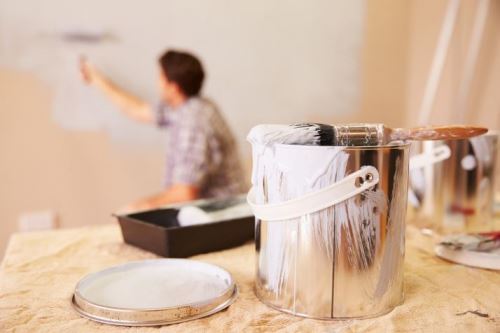
Paint is a minimal investment, especially if you have the skills to do the painting yourself. From walls to doors to cabinets to fixtures (and even tile), paint can drastically transform spaces. Keep your selections neutral and universally pleasing. Cover bold colors with neutral ones, making the home move-in ready.

Here’s a checklist for small investments with big impacts:

  • Paint or replace brass or dated light fixtures
  • Update bathrooms and kitchens with brushed nickel, chrome or oil-rubbed bronze fixtures and hardware
  • Replace switch plates and outlets with Decora-style devices
  • Paint walls and trim using a neutral palette
  • Refinish worn hardwoods by applying a fresh coat of stain and sealer
  • Remove wallpaper, borders, decorative decals and patterns from walls
  • Power spray your home’s exterior

Keep these items in mind when making improvements to your home and you’ll enter the selling process with confidence. Don’t hesitate to contact me for all your real estate needs!