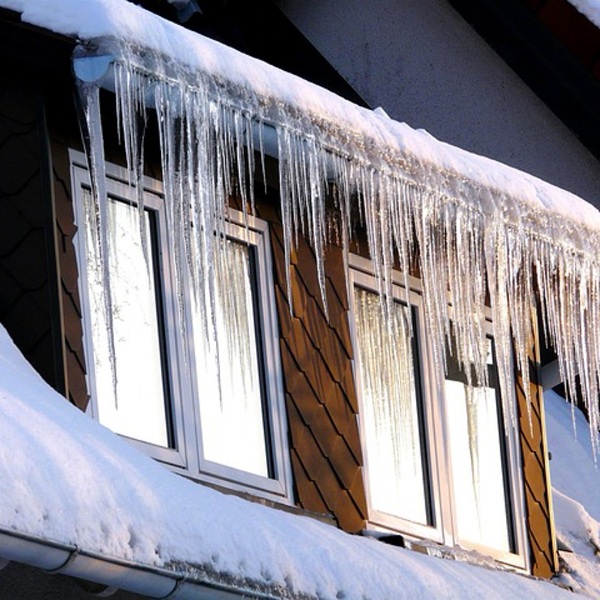
While icicles dangling from a rooftop often symbolize the beauty of winter, experts say they really can indicate a potential seasonal hazard. They explain preventative measures and insurance consequences of ice dams.
While icicles dangling from a rooftop often symbolize the beauty of winter, experts say they really can indicate a potential seasonal hazard. They explain preventative measures and insurance consequences of ice dams.

The home remodeling boom continues, as homeowners leverage their equity to take on a range of house projects, large and small. But are they choosing the best projects to help boost their home’s resale value?
A fancy kitchen upgrade or bathroom renovation may have a significant impact on potential buyers. But for projects that recoup most or all of their cost, owners should think smaller, according to the newly released 2025 Remodeling Impact Report, conducted by the National Association of REALTORS® and the National Association of the Remodeling Industry. Swapping out the front door for steel, for example, is likely to get the most bang for the buck.

When it comes to tackling your outdoor living spaces, it’s always important to think about how they function for daily use, entertaining, and year-round living. Selecting the right materials that can stand up to the weather (and pollen!) is also key to a long-lasting outdoor spot.
Here are 7 secrets that’ll help you make the most out of your outdoor living area—plus a few extra tips—from Southern interior and landscape design pros.

Your home never gets a second chance to make a first impression with prospective homebuyers – and fall is the perfect season to make that first impression unforgettable. With autumn underway, enhance your home’s exterior with fall maintenance and seasonal staging!
Here are seven ways to boost curb appeal when selling a home this fall:
While the vibrant hues of foliage add beauty to the season, fall leaves can sometimes look messy when they accumulate in your yard. Regularly raking the leaves helps maintain a tidy appearance and prevents potential damage to your lawn.
With the arrival of shorter days, it’s essential to ensure your outdoor lighting is in top shape with updated bulbs. To take lighting to the next level, consider installing stylish sconces, a weather-resistant chandelier or lanterns to create a warm welcome that starts outside.
In warmer climates, lawn care is a year-round endeavor that entails cutting grass, trimming hedges, edging walkways, maintaining flowers and more. But in colder climates, fall is when lawn care tapers off as winter looms ahead.
That said, if your home is on the market this fall, make sure to maintain a sleek yard by keeping up with tasks like lawn mowing and leaf raking. The general rule of thumb is that you can water the grass until nighttime temperatures start to dip closer to freezing, making it necessary to turn off the irrigation system.
Fall mulching offers several benefits – including insulating your soil and plant roots, which in turn can reduce stress caused by low temperatures. Plus, adding a topical layer of mulch to beds during the fall can give a refreshed look to help with curb appeal.
Seasonal decorating is a great way to impress potential buyers and create an inviting atmosphere. To spruce up the space, hang a wreath in rich autumn colors on the front door, add a fresh welcome mat, and consider implementing seasonally-specific items like pumpkins and gourds.
Flowers are another great addition to a home’s exterior, even during fall. Enhance your front porch with flowerpots or window boxes filled with fall favorites – like low-maintenance mums – in shades of orange, yellow, pink, purple and red.
Transform your front porch, patio or deck into a cozy retreat where buyers can picture themselves enjoying the season while watching the leaves fall. Stage the space with simple outdoor furniture and add a few decorative items, like weather-proof pillows.
With cooler temperatures making outdoor work more comfortable, it’s an ideal time to tackle tasks that benefit the structure’s exterior. Touch up any peeling paint on the outside of the home – and if a full paint job is needed, consider doing it before it gets too cold out. Other beneficial tasks include power washing the exterior, cleaning or replacing house numbers and polishing door hardware. These updates can help show potential buyers that your home is especially well-cared-for.
Ready to sell your home this fall? I’ll be happy to help; contact me today!
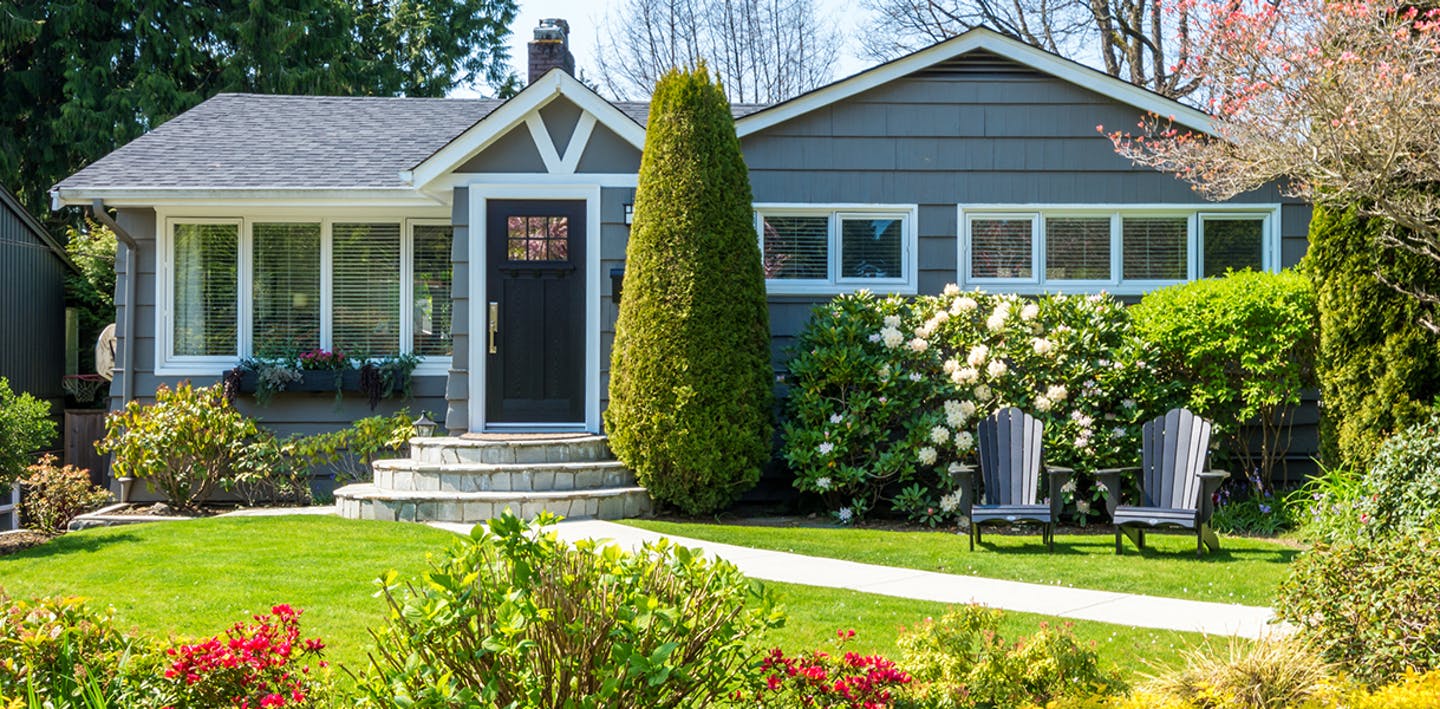
Sprucing up your house’s exterior can help prospective buyers see the possibilities.
As daylight lingers longer and temperatures begin to rise, it’s evident that spring is on its way. Spring is generally a busy season for real estate, as homes hit the market after a hunkered-down winter and ahead of summer fun.
In many places, winter weather can take a toll on the exterior of a house. Before listing your home for sale this spring, consider these tips for improving curb appeal and charming prospective homebuyers.
Toward the end of winter – when snow is officially gone for good – lawns can be littered with leaves lingering from fall, as well as twigs brought down by storms. Removing them is important before starting on lawn revitalization, as debris will block seeds and nutrients from doing their job. Plus, clearing away debris makes for a much cleaner appearance.
Don’t forget to clean up flower beds or other non-grassy areas too – these places are also prone to collecting leaves. And make sure to clear out the gutters. All kinds of junk gets lodged in the gutters throughout the winter, and it can make for inefficient draining as well as a sloppy appearance. Not doing so can lead to roof leaks and other issues that could have negative repercussions on a home inspection.
Once the temperature is staying well above freezing throughout the night, it’s time to get your outside water lines and sprinklers going again. This involves turning your outdoor faucet back on – and re-starting a built-in sprinkler system if you have one. Carve out time to get the system running again before you need it – or reach out for professional assistance.
From there, assess what else your lawn needs. This could be patch-fixing, overseeding, providing nutrient-rich grass food, or aerating, among other measures. For lawns that feel beyond repair, some homeowners choose to lay down sod – which can be a steep cost – to achieve a luscious lawn in a quicker timeframe.
A fresh coat of mulch along edges and around plant beds can help a yard look cohesive. If you want to shake up your exterior color palette, try a different shade of mulch. The most common options are black, brown and red – and each one complements a home differently.
For example, red mulch provides a nice contrast against the vibrant color of plants and flowers. But, if you have a red home or brick home, the red may feel too monochromatic, making a muted brown shade a better match.
Take time to trim back trees and other plants that appear overgrown. This is especially true for large trees that canopy over a property, and smaller trees and bushes that line the house or yard.
For a well-manicured appearance, edge your walkways – especially the one leading toward the front door. These small details work together as polished curb appeal.
The physical exterior of your home could likely use some TLC following winter, too. Depending on the accumulation of dirt, it could be time to pressure wash the siding. Then, while it can be a more costly task, having the house repainted adds an element of newness and could make a substantial impact on the impression of prospective buyers.
Consider the front door, too. Give it a fresh coat of paint to correct any knicks, dings, and scratches. And for those looking to shake things up, try opting for a different color of paint – or sanding down a wooden door and covering with stain and varnish to restore its natural look.
Spring is the season where nature blossoms – so help emulate that cheery feeling as people catch a first glimpse of your home. Add a pop of color to the front porch with colorful planters framing the stairs or door. Or, to fill a larger space, try hanging planters from the ceiling of the porch.
Plants and flowers are a great way to add bits of color here and there. Just be sure to water them regularly, and according to their species, to ensure they stay vibrant all season long.
Ready to sell your home this spring? Contact me today!
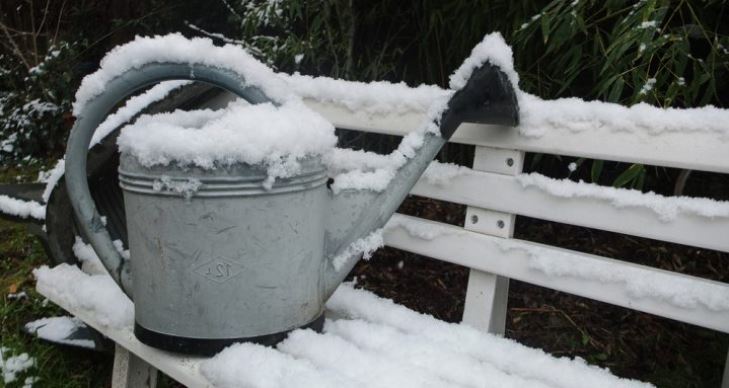
While many are enjoying a temperate fall, people in some locations (like Denver, Colorado – home of the RE/MAX World Headquarters!) have received their first snowstorm of the season. The glistening blanket of untimely snow is a great reminder that it’s time to prepare your home for wintry weather on the way.
Most homeowners have a list of regular seasonal tasks they complete, which may include covering up patio furniture, blowing out the sprinklers, making sure the heating system is good to go, and more. But a few other, lesser-known tips can also make a big difference in creating a comfortable environment for the wintertime.
Have you completed these often-overlooked winter home-prep tasks?
It’s important to have an effective HVAC system for your heating needs, whether it be via forced air, baseboard radiators, and electric, to name a few. But in order to keep costs down, be careful that you’re not expending more energy than necessary.
Consider hiring a professional who can conduct a home energy audit to identify places in each room that could be optimized for energy use. For example, according to the U.S. Department of Energy, about 30% of a home’s heat is lost through windows alone. If drafty windows are an issue, look into different methods of sealing cracks and air leaks. Some popular DIY fixes include weather stripping tape or caulk.
If your heat is generated from a furnace, ensure you’re regularly cleaning the air filters, which gather dust and debris over time.
An energy audit can also determine if the structure’s insulation is outdated and identify what areas – like the attic, crawl space or basement – might need bolstering. Plus, it can help uncover lighting that could be upgraded to energy-saving options, like LED bulbs.
If you thought ceiling fans were useful only in the warmer months, think again. A ceiling fan can actually be a helpful aid in keeping a room toasty in the winter – but there’s a trick to getting it to work in your favor.
In the summer, your ceiling fan should be set to spin counterclockwise, which creates a cold downdraft. But when winter is on its way, you should reverse the direction to clockwise, which helps circulate warm air. To make the switch, start by turning the fan off and waiting for the blades to come to a complete stop. Then, check the base of the fan for a switch – and simply flip it to make your fan winter-ready.
Once the direction of the fan is reversed to accommodate heat, it’s also recommended to keep it at the lowest speed to prevent an unwanted breeze. This circulation of warm air should prevent the need to crank up the thermostat – an impulse which can get costly.
In life, it’s generally better to be proactive than reactive – and that’s true for home maintenance, too. Before winter gets underway, stock up on all of the seasonal supplies you need for indoor and outdoor care. That way, you’re not scrambling when the first (or next) snowstorm hits.
Some ideas to get started:
• Salt for icy sidewalks
• Shovels for snow
• An outdoor boot scraper
• Durable indoor mats for soggy footwear
• Flashlights and spare batteries in case of power outages
• Refilled propane and/or firewood
• A windshield scraper and windshield ice cover (because for those who spend a lot of time on the road, a car can feel like home, too)
Thinking of selling your home amid the changing seasons? Contact me today!

Buying a home is a big investment, both emotionally and financially.
Homeowners should enjoy their home for the reason they purchased it, whatever that might be. But they can also protect – and even enhance – the property’s resale value at the same time.
Here are four ways to help resale value while reaping the benefits of upgrades and enjoying your home.
Maintaining a home over time can help avoid larger repair issues down the road. This could include work such as:
• Touching up chipped paint inside and outside
• Having the HVAC system cleaned
• Aiding curb appeal with lawn and weed maintenance
• Inspecting for interior water damage or roof leaks
• Clearing out gutters
• Replacing batteries and light bulbs where needed
• Managing pest control
• Cleaning that goes beyond the normal routine
Implementing environmentally friendly tactics in a house can help you save money on your energy bills while adding value to your property. To determine where to focus – common examples are updating poorly insulated windows and replacing older light fixtures – conduct an energy audit before you begin.
These modern features could appeal to buyers if you ever decide to sell. Demand for energy efficiency in homes is on the rise – according to research by Freddie Mac, over 80% of homebuyers want Energy Star-rated windows and appliances, and energy-efficient lighting in a prospective home. Similarly, the 2023 RE/MAX Future of Real Estate Report reveals that 73% of Americans consider energy insulation an important factor when buying a property, up from 60% – a significant increase in recent years.
Renovation projects can be an effective way to increase a property’s resale value, especially in highly trafficked areas of the home. A 2022 consumer survey by RE/MAX found that the top upgrades sellers plan to make before listing their home are to the kitchen and bathrooms.
Removal of dated features like popcorn ceilings and wall-to-wall carpeting should also enhance your experience of living in the home, as could larger renovations such as installing new appliances in the kitchen, finishing a basement to create more space, adding a bathroom, and more.
Maintaining your home’s outdoor space is a must for enhancing curb appeal and enjoying its external appearance. Not only does it keep a property looking tidy, but can also be a creative way to express yourself with gardening. For future resale value, think about the longevity of new plants that could be added to the yard.
Trees, bushes, and perennial flowers can enhance the exterior of your home, and will continue to flourish with age. With regular maintenance, new saplings can age into mature trees and create shade and privacy on your property. This means you can enjoy them now, knowing they will help in a future sale, too.
Even if you adore your current dwelling, you may want to upsize, downsize, or seek other features like more acreage (which Fido would love) sometime down the road. In the meantime, it’s critical to maintain your home while you’re in it – for your current enjoyment and for resale value in the future.

Have you checked the forecast? Winter is almost here – and some places have already received their first snowfall of the season!
For homeowners in chillier climates, now’s the time to prepare for the challenges of winter weather. In addition to turning off outdoor waterlines and stocking up on shovels and sand, it’s important to get the interior of the home ready for frosty temps, too.
Consider these checklist items to help prepare the inside of your home to withstand the colder months – and run smoothly throughout them.
If you live in an area that experiences the harsh weather of the season, it’s officially time to remove summer items from the entryway and replace them with more insulated options. Store away warm weather shoes like sandals and bring out the boots and slippers. In bins or on hooks, find convenient space to store coats, mittens, and hats.
Invest in plastic or rubber shoe trays for each entrance to prevent dragging snow into the house. Some people even opt for a boot brush mat outside the door to wipe off shoes before stepping inside.
Redecorated recently? Whether the answer is yes or no, furniture can scooch around throughout the year with use. To prevent risk of damage or fire, make sure items like furniture, blankets, or drapes aren’t touching the heating system, including baseboards or a radiator.
The same awareness goes for candles. Lighting a candle is a great way to make a room feel cozy on a winter day, but be cautious when placing them throughout the house. Put them in exposed areas situated far from notoriously flammable items like drapes and curtains, holiday decorations, and more.
If your house runs cold, try swapping out lighter bedding for toastier options, including flannel sheets or a more insulated comforter. Also consider adding a few throw blankets in common seating areas to make evenings more comfortable.
Home to yard supplies, sports equipment and outdoor recreation gear, the garage can get messy in the warmer months when people tend to park outdoors more frequently. Take time now to organize the garage, sweep the floor, and make room for a parked car. This could save you from the trouble of windshield scraping when overnight frosts and snowstorms arrive.
Did you know the direction a ceiling fan’s blades spin determines whether it pulls air up or pushes air down? This little fact can help cut costs on energy bills throughout the year.
In the summer months, it’s best to have the fan run counterclockwise, blowing air down to create a cooling effect. And in the winter months, it’s best to have the fan run clockwise, redistributing hot air throughout the room. Figure out which way you currently have it running by turning off the fan, standing underneath (looking upward) and having someone else switch the fan back on. Pay attention to the first few revolutions.
Then, to change the direction of the blades, turn off the fan (wait for a complete stop!) and then flip the switch that is often found on either the motor housing or the base.
Whether you have a wood-burning or gas fireplace, make sure it’s in good shape prior to using it.
For a gas fireplace, ensure you have a sufficient supply of propane and, while the fireplace is off, clean the vent and glass panel of any dust and buildup. For a wood-burning fireplace, have the chimney inspected by a professional chimney inspector and hire a professional chimney sweep. These annual services will help keep your fireplace in pristine condition and safe to use.
Spending the first winter in your new home? Check out tips for preparing the exterior of the property for the snowy season ahead.
The winter months are right around the corner – and in some locales, winter weather is already here. It’s time to make sure your home is ready to stand up to the freezing temperatures on the way.
Will this be the first winter spent in your new home? If so, consider these steps to ensure the property is protected and prepared for the upcoming season.
Conducting an energy audit may save you a few dollars off your electric bill in the winter months. Hire a professional to locate air leaks in windows and doors and identify other places to save on energy costs.
If you’re already aware of drafts in your home, applying weather stripping or caulk – or even putting a draft-stopping pillow in place – are relatively easy DIY fixes. As a bonus, you’ll likely notice a difference in the summer months, too, when better sealed areas trap air-conditioning.
If your home has a fireplace, whether gas-powered or wood-burning, make sure it’s ready to use so you can safely enjoy its toasty benefits on cold days.
With a gas fireplace, start the winter with a sufficient supply of propane. And, make sure to clean the vent and glass panel of any debris (while the fireplace is off, of course).
With a wood-burning fireplace, have the chimney inspected by a professional chimney inspector to prevent the possibility of a house fire or carbon monoxide buildup in the home. Hire a professional chimney sweep, too, to spruce up a charred firebox and remove creosote buildup. Take advantage of still-temperate days to start chopping or purchasing wood and storing it in a cool, dry place.
Now is also a great time to test smoke and carbon monoxide detectors inside the home and replace batteries where necessary.
When below-freezing temperatures are on the horizon, it’s time to drain any outdoor water lines (like a hose or sprinkler system) and turn them off for the season. If leftover water freezes inside pipes, you run the risk of pipes bursting and causing catastrophic plumbing issues and damage.
If you live in an area where winter storms are common, make sure you own a sturdy snow shovel to help clear the driveway and surrounding sidewalks. A bag of sidewalk salt or sand are seasonal staples to keep on hand to melt ice.
If you recently moved to a new climate – or just need a refresher – check out local snow removal regulations that vary town by town and state by state.
While preparing for snow maintenance outside the home, pick up necessary tools for the car too, including a windshield scraper, freeze-proof windshield wiper fluid, and essential supplies in case of emergency, such as a blanket and flashlight.
Snow is melting, temps are rising, and grass is growing (though the ground still may freeze from time to time). In locales that experience the four seasons, these are a few tell-tale signs that spring is almost here.
For homeowners, seasonal change comes with care and keeping – inside and out – to maintain the property and repair damage.
With spring just days away, consider these maintenance tips and inspection reminders to help prepare the home for a change in weather.
Leaves from the fall, debris from winter storms and general grime (and pests) can easily clog gutters, preventing proper drainage. And with spring showers on their way, it’s important to ensure water has an unobstructed path away from the house, keeping the home’s roof, structure, and foundation dry and mold-free. Depending on your comfort level using a ladder, consider hiring a professional to do a safe and thorough cleaning job.
See any sagging spots on your roof? Or, notice any leaks from the inside of the house? With snow persistently falling and melting over the course of the winter, the roof could be subject to leaking. Locate any of these issues now and make a plan for repair before the rainy season begins.
Remove debris that may have piled up (think: twigs and pine needles) and, if this applies to your home, make sure you’re not missing any shingles. Like with the gutters, consider hiring a professional – and schedule a routine inspection while you’re at it! – if accessing the roof is difficult or unsafe.
Dead grass will be parched come springtime, so if you’re looking to have a luscious lawn, it’s time to check in on the sprinkler system. Check for damage to sprinkler heads as broken equipment can lead to patchy lawn watering and dry spots. It’s important to note that prepping a sprinkler system for warm weather should happen when there’s likely no more snow or frost in the forecast.
Identify drafty windows now to ensure you have enough time to repair them before the first heat wave of the season calls for air-conditioning. A deep cleaning of a window’s frame and hinges can prevent pileup from obstructing its ability to open and close smoothly. For leaks, consider applying caulk around the window to reseal it. By functioning properly and containing cool air, windows can help save money on A.C. costs.
While you’re at it, take this time to change the air filter to optimize the efficiency of your HVAC system and improve air quality inside the home.
If you have patio furniture, it likely got covered for the winter or stored away. Take the time to wipe down each piece and make sure nothing is broken. The grill could use some TLC as well – scrape, deep clean and degrease the interior, scrub the grates, and refill the propane fuel tank in preparation for future BBQs.
There are many other components to exterior maintenance that are specific to each individual home. Walk around your property and take note of any tasks you can get ahead on or appointments with professionals you need to schedule. Planning ahead for services like mulch delivery, air-conditioning unit installation, lawn aerating and more can alleviate stress when spring finally arrives.
 Managing The Real Estate Details