10 Pointers for Packing and Moving to a New House


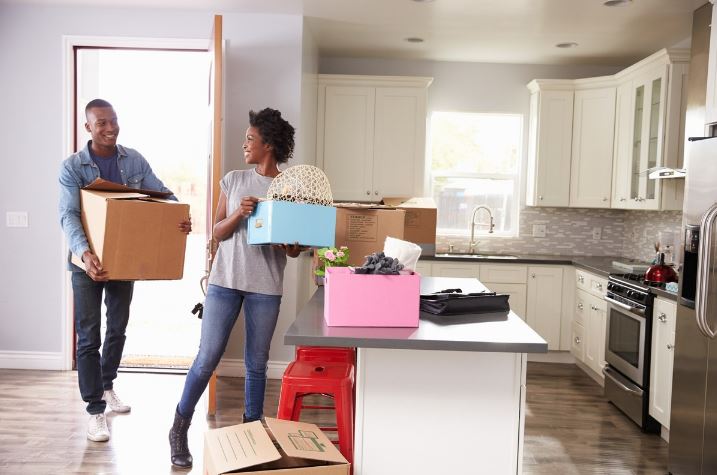
Moving marks the end of a chapter, and the start of an exciting new one. The anticipation of living in a new home brings endless possibilities – but the process to get there can feel overwhelming.

Here are 10 pointers to help make the moving experience as smooth and stress-free as can be:

1. Book movers in advance

Once your move-in date is set, secure a moving company as soon as possible. Booking early will avoid the hassle of having to make last-minute arrangements and give you a better selection of options that suit all of your moving needs.

2. Notify utility providers

Inform your utility providers about your move in advance to ensure essential services like water, electricity and Wi-Fi can be used in your new home starting day one. This will also prevent you from being charged for utilities at your old address after you’ve moved out.

3. Declutter before you move

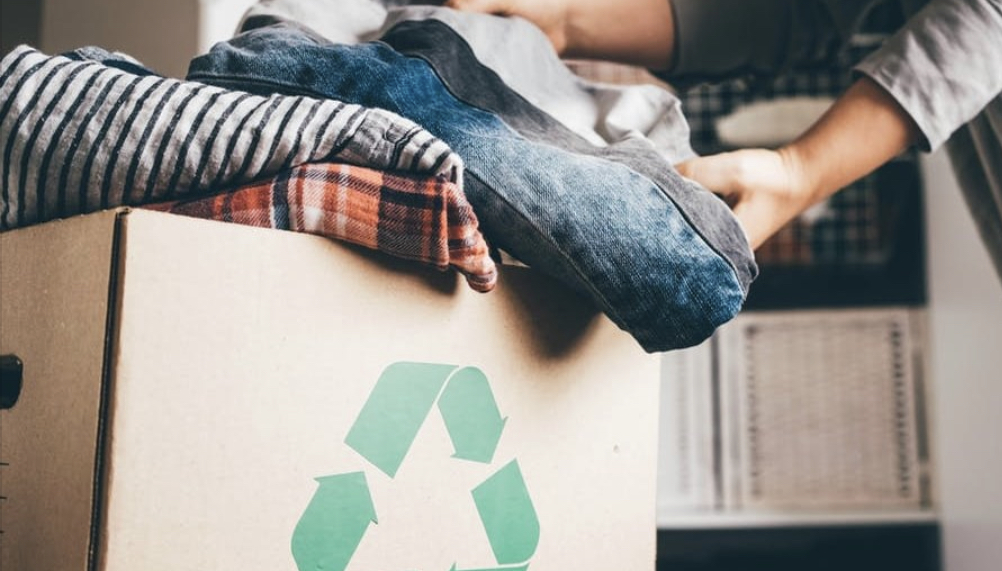
Evaluate the layout and size of your new home and decide what items you truly need. Moving is the perfect opportunity to do a purge of possessions you don’t use or want anymore. You’ll be surprised by how much you choose to donate or throw away. Purging pares down the volume of things that need to be moved, and also sets the stage for a fresh start in a well-organized, clutter-free space.

4. Start packing early

Packing usually takes more time than anticipated, so starting early is essential. Begin by packing lesser-used items and tackle the task room by room. Breaking it down into manageable chunks and packing a little each day will help you stay organized and on schedule, making the entire process more efficient.

5. Label boxes clearly

Properly label each box with its contents – and make note of the room into which it will go. This will make unpacking and sorting much easier, ensuring everything ends up in the correct place.

6. Pack boxes strategically

To ensure your belongings stay safe and secure throughout the move, pack heavier items at the bottom of boxes to create a stable base and prevent lighter items from being crushed. Make sure each box is filled to capacity to avoid shifting during transit. Choose boxes of the right size for your items and use packing paper or crumpled newspaper for cushioning to provide extra protection.

7. Keep the essentials accessible

Consider setting aside a dedicated bag or suitcase for daily essentials you’ll need right away, such as toiletries, work supplies, electronics, and a change of clothes. This will make your first few days in the new home more comfortable, enabling you to settle in while you finish unpacking.

8. Create a special plan for delicate items

Carefully wrap valuable, breakable, or delicate items with materials like bubble wrap and towels for extra padding, and make sure to mark these boxes as “fragile.” Use smaller boxes for delicate items to minimize potential damage. If you’ve hired movers, inform them that these boxes require special handling, or consider transporting these items yourself to ensure they arrive safely.

9. Organize important documents

Keep vital documents like birth certificates, passports and checkbooks secure in an easily accessible place. And, store important papers in clearly labeled files within a container.

10. Reflect and celebrate

Your home is more than just four walls and a roof – it’s a special place filled with memories from a meaningful chapter of your life. Moving means saying goodbye to the past while welcoming new experiences and opportunities.

Take some time to reflect on your old space. Consider hosting a farewell dinner with loved ones, or simply have a quiet moment of reflection and gratitude before you embark on the exciting journey of moving into a new space.

Ready to start your next chapter in a new home? Contact me today!

5 Ways to Make Your Pet Dog More Comfortable When Moving

Moving homes means big changes for everyone – including your furry friends. Here’s how to help dogs prepare.

As loyal members of the family, pet dogs play an important role in making any house feel like a home. But dogs are creatures of habit and may feel disoriented (nose out of joint, if you will) when it’s time to relocate or move to a new home.

While they may not help pack boxes or load the car, you can still appreciate your beloved furry friends accompanying you on the journey. Here’s how to make your pup more comfortable during the big move.

1. Contact the vet before you go

Pay a visit to your local veterinarian before moving,especially if your travel plans require a long car ride or taking an airplane. They may have tips and tricks for calming nerves during travel and can also provide you with updated copies of medical forms for your dog.

2. Pack their comfort items

Finding familiarity is key in brand-new surroundings. Make sure to bring along your pup’s favorite toys, blanket that lines their crate or go-to dog bed. These security items hold the scent of a place they are used to.

When you reach your new home, create a safe space right away – whether that’s a crate or just a cozy nook – that your dog understands is their zone for relaxing.

3. Update I.D. methods

It’s critical that you update important information like your address and phone number on your dog’s metal tag. If your dog is micro-chipped, make sure to update your contact info in the database system. Your dog may try to do some unwanted exploring – so if they do escape from a new yard, an updated address will help them get home safely.

4. Stick to their typical food

Sometimes, too many changes at once can lead to anyone not feeling their best. With new surroundings and so much unfamiliarity, make sure to bring along your pup’s normal food to not throw off their stomachs as they undergo stress. Plus, this will help ensure your new space remains accident-free (hopefully!).

5. Create routine from the start

For many people and dogs alike, routine is grounding. Even amid a busy move, try to stick to your dog’s regular schedule, like the time of day they eat and when they get their exercise. Taking a break from moving to walk the dog might even help clear your head, too.

Before moving day, take time to get acquainted with a map of your new neighborhood and look up parks and walking areas nearby. Once you’ve arrived at your new home, a neighbor may know of the best local dog-friendly spots.

Give Back This Fall: Upcycle Your Unwanted Goods

We’ve spent a lot of time at home this year. A lot!

This means your storage space is likely cluttered with new hobby apparatus and unworn clothing – and, it’s most definitely due for a deep cleaning.

Good news: Fall cleaning is the new spring cleaning. As the holiday season kicks off, it’s the perfect time to find responsible, sustainable ways to dispose of unwanted goods. Consider these options for donating and upcycling household items that others may need.

Clothing, toys, other goods

When in doubt, remember that smaller thrift shops and donation centers as well as national chains like Habitat for Humanity, Goodwill and The Salvation Army accept nearly all household goods and personal items.

As you sift through closets and tackle the basement, keep in mind that you can donate most things: unwanted clothing, shoes, furniture, household appliances, children’s toys, sports equipment and much more.

Composed Living lists ways to dispose of other household goods, including electronics and paint.

Many donation centers have an outdoor drop-off option or an at-home pick-up service to safely upcycle goods during the COVID-19 pandemic.

Food

While you can’t salvage all food, you can typically donate most canned goods and unopened, sealed products to organizations such as food banks, rescues, pantries and/or homeless shelters.

Peanut butter, pasta, rice and canned goods are the most common donations. If you have perishable food to give, you can contact the organization to check if it will accept your items.

For food that donation centers won’t accept (but is still safe to consume), get creative and try to use it rather than tossing it in the trash. For instance, you can freeze overripe bananas and use them later in banana bread.

Linens

Your local animal shelter can always use old sheets and towels as bedding for the pets they house. Especially during the cold of winter, your extra bedding can keep dogs and cats warm. With nervous chewing and accidents – you know, general puppy mannerisms – shelters and rescues go through a lot of blankets.

If possible, wash and dry any linens before you donate them.

Books

Most charity centers and local libraries will accept new and used books. In the U.S., chain donation organizations as well as veterans’ associations and retirement homes are always on the lookout for reading material.

Becoming Minimalist lists 20 useful places to donate books that benefit people of all ages.

As you clean your home in preparation for the winter, it’s always nice to consider those you can help this holiday season.

Three Tips for Making Small Spaces Work for Your Family

Small spaces aren’t the traditionally sought–after spaces for growing families, but with more millennial parents choosing to live a minimal lifestyle — families are adapting to life in homes with less square footage. If your family is downsizing by choice, or by necessity, follow the tips below for creating a functional space that can support your growing family.

Channel Your Inner Marie Kondo

It’s time to purge! Take a tip from tiny home enthusiasts who have chosen to live a simpler life — downsizing means committing to decluttering. Re–gift, donate and sell unwanted items. Eliminate multiples and only keep items that spark joy — and have your kids help.

Every Item Has a Home, Every Space a Purpose

Being thoughtful about what items stay in your family’s space is just as important as figuring out where to store it. Families without the space for a designated playroom may want to consider where toys will be tucked away. Try rotating toys to save space, while helping kids get the most out of playtime.

Go Vertical

Some may say that floor space is the most valued space in a smaller home — but vertical is the way to go! Bookcases, coat racks and shoe trees are all great options for tiny spaces.

Looking for a new home, or know someone else who is? Contact me; I’ll be happy to help!

A Successful Move Is All in the Details

Nearly 35.5 million Americans move each year, according to data from Move.org. With so much to think about, from organizing and packing to lifting and moving heavy boxes, it’s easy to forget the little things that can make life a little easier during a move. Here are some small details that may get overlooked – tips to make any move smoother and stress free.

Unplug Carefully
Don’t just pull the plug on expensive electronics and toss them in a box – a little planning will help you protect expensive gadgets, like TVs, laptops and stereo systems. Think before dismounting that big, flat-screen TV by yourself. Follow this guide to make sure nothing is damaged. Place all user manuals in a folder so they don’t get lost in the shuffle, but don’t panic if you’ve misplaced them because you can usually find manuals on manufacturers’ websites. Consider a professional mover for your more delicate electronics. Atlas Van Lines suggests using a qualified professional to uninstall any wall-mounted AV equipment and to call in advance to schedule an appointment so you’re not scrambling at the last minute.

Food for Thought
Don’t forget about dinner – you still need to eat during a move. Packing up the kitchen is usually the last, most challenging part of the moving process, but if you make plans you won’t go hungry.

  • Donate: Think about donating canned or unopened food to your local food bank. This leaves one less thing to pack and supports your community.
  • Meal Plan: Use the foods still left in your fridge and freezer for meal planning. Take inventory of the foods you have available leading up to the big day. Home Cooking Memories has some tasty ideas.
  • Label and Organize: Don’t pack up those cooking utensils just yet. Label your moving boxes to easily access the kitchen gadgets you still need to whip up a quick dinner. Consider the packing order of appliances you won’t need, like the blender, and place everyday items, like spatulas, on top for easy access.

The Essentials
You’ve unloaded the last box and you’re ready to shower, eat and relax – only to remember that your toiletries are buried in a dozen boxes, spread across the house. Avoid this all-too-common mistake by packing one or two “essentials boxes” that contain extra clothing, towels, toiletries, medications, bedding and phone chargers that will last up to three or four days.

Know Your Limits
It may be tempting to save money by doing the moving yourself, but don’t get in over your head. Know your limits, suggests OZ Moving and Storage, “If you’re not sure if you can accomplish some part of your move without professional help, don’t try. We were called up once by a trio of college students who had gotten their couch stuck in a staircase. Getting in over your head and having to call emergency help is not ideal.” Get quotes from a few moving companies to determine what needs to be moved or packed by a professional.

A successful move is all in the details – but, with a plan in place you won’t forget the small stuff!

Moving with pets? How to ease their anxiety on moving day

Moving comes with many emotions for both you and your pets – from the excitement of a new city, new house, or both, to sadness for leaving a place you’ve called home. Moving is emotional for many reasons, and your pets pick up on how you feel. Here are some tips to keep your pets comfortable and confident during the moving process, and ultimately make it easier for you, your pets and your family.

Don’t Forget to Breathe

It’s important to take care of yourself during your move. Pets pick up on their family’s energy and can sense if you’re upset, frustrated or anxious. If you feel yourself getting overwhelmed, make sure to take a breath and relax, because your pets will do the same!

Safety First!

The worst thing that can happen during a move is realizing that your pet has slipped out unnoticed in all the commotion. With you and helpers coming in and out of the house, and all of the noise associated with moving, pets can easily become distressed.

To allow yourself to concentrate on moving and to keep your pet safe and secure, perhaps the best option is to have a family member or friend take your pet to their house during move-out day. If there isn’t someone close by that can pet sit for the day, consider doggie daycares and boarding facilities.

If neither of those options will work for you, consider giving your pets their own space in the house, and closing the door with a “Do Not Enter” sign, especially if you have movers helping you. If you can’t designate a room, consider a crate to keep your pets safely out of the way and unable to escape when you aren’t looking.

A Busy Pet is a Happy Pet

Do your best to keep your pets busy and help them forget all of the hubbub going on around them. Consider turning on a TV or radio, giving them toys to play with, or propping them up near windows to look outside.

Keep Up Their Routine

Pets thrive when routines are maintained, so it’s important to keep feeding and walking times the same during your move. This gives some normalcy to an otherwise anything-but-normal situation. Signaling to your pets that what they have come to count on won’t change is a great way to keep them feeling confident and comfortable.

4 Tips to Help Kids Adjust to a new School After a Move

At any age, a move can be stressful. But for school-age kids, a major move means changing schools, adjusting to new curriculum and finding new friends. Here are a few things you can do to help ease the transition and encourage kids during a school transfer.

Acknowledge their anxiety.

The first day of school is always knee-knocking and nerve-racking. The first day at a new school can be even scarier for kids. Let them know that their feelings are completely natural and understandable. Affirm their feelings, and then offer advice or personal anecdotes about times you have been nervous about a situation that turned-out O.K.

Take a trial run.

If the new school doesn’t host an official orientation for new students, try to request a tour for you and your child. Younger kids can be comforted by seeing their classroom and playground, and learning the location of the bathroom and the bus port. Older kids may like to walk their first day’s schedule: from the bus, to the locker, to their different classrooms.

Meet the neighbors

Meeting your neighbors and parents at your new school can be a great help for your kids. You can hear first-hand how families have navigated the school district, and even arrange play dates or meet-ups between your kids and other students. Start making connections as a classroom volunteer, or mingling at the bus stop to chat to other parents.

Pack a special lunch.

If your kids bring lunch, make it a special one filled with their favorite snacks and an encouraging note from you.

Thinking about moving to a neighborhood with a better school district? I’ll be happy to help; contact me today!