6 DIY Trends for 2026


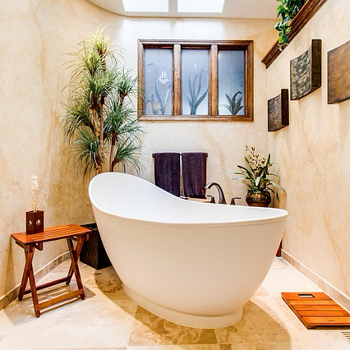
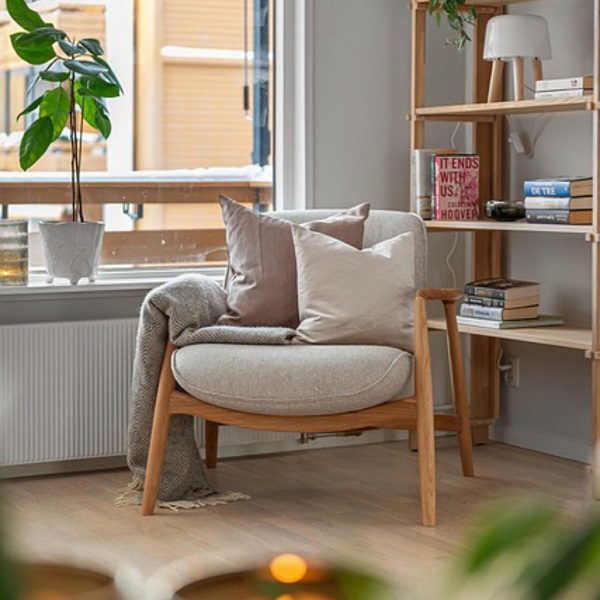
Interior designer Daniel Kocu, with InterRent REIT, has identified several do-it-yourself trends for 2026, including painting shelves and ceilings to add visual interest, creating spa-like bathrooms and outdoor relaxation areas, and incorporating reading nooks. The trends reflect a shift toward minimalism and sustainability, with a focus on creating serene and uncluttered living spaces.

Read more

8 Summer Home Trends That Will Get Buyers Talking

The home remodeling site Houzz weighed in with the home trends heating up this summer, from color-drenched palettes and wood-focused spaces, to beverage stations and more. Discover the home design styles driving the most online searches!

Read more…

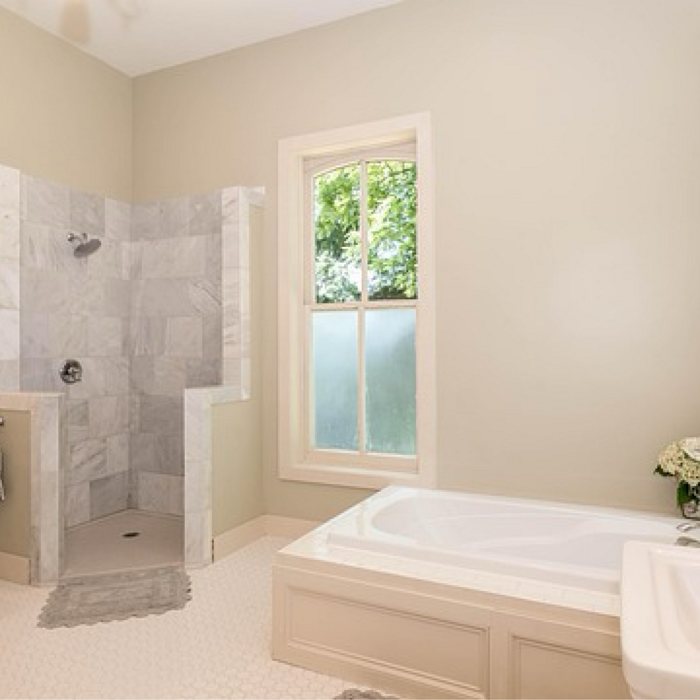
Future-Proofing Bathrooms


Check out family-friendly showers and “future-proofing,” and what the latest home trends tell us about people’s approach to bathing.

Read the full article…

Curved Furniture Softens Interiors


Interior designers are embracing a range of trends for spring 2025, including furniture with softer outlines, buttery yellows, polished nickel accents and customized kitchens with unique materials.

Read more…


3 Design Trends to Make Your Listing Cozier


Color, texture and patterns make for more playful backgrounds in unique, cozy spaces. In home staging, you can still embrace this hot trend, even without getting too wild.

Read more…


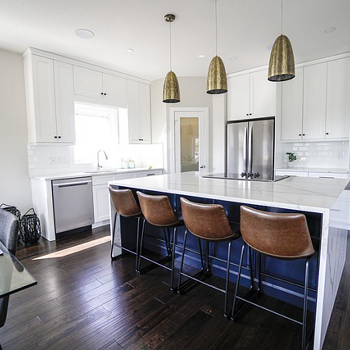
Kitchen Paint Trends in 2025

Homeowners are embracing bold and rich colors for kitchen paint in 2025, moving away from traditional whites and neutrals.

While warm whites and classic neutrals will always be a kitchen staple, this year we’ve seen more colorful kitchens than ever beforeIt’s almost like homeowners are shunning the strict rules of resale value and allowing their personality to shine in the more functional areas of their homes. But we also understand that painting your space a striking sunshine yellow or verdant green isn’t for everyone—this is why we tapped top interior designers to reveal what kitchen paint color trends their clients are actually asking for right now.

Read the details…


The Things We Do For (Puppy) Love: How Homebuyers Are Accommodating Their Dogs in the House Search

If you own a pet dog, there’s a good chance you’ve: swapped out words in your favorite song with their name, cancelled plans to spend time with them, and filled up your smart phone’s camera roll taking their picture. But, have you bought a home specifically for them?

While dogs aren’t the primary reason many pursue real estate opportunities, they are a factor plenty of homebuyers take into serious consideration during the house search process. This is especially true nowadays with pet ownership on the rise.

The COVID-19 pandemic – and the increased time people spend at home as a result – played a key role in the uptick of pet ownership in the U.S. From 2020 to 2021 alone, nearly one in five households acquired a cat or dog, according to the American Society for the Prevention of Cruelty to Animals (ASPCA).

“I do think more people have pets nowadays, but what’s noticeable is the focus on our pets and how they are becoming more involved in society. There are pet-specific cafes, bakeries, boutiques, and specialized food choices, as well as pet-friendly businesses and more,” says Joanne Thomas, an agent with RE/MAX Advantage Plus in Eagan, Minnesota, who is currently working with buyer clients seeking a home specifically for their dog.

In a small neighborhood of Denver, Colorado, for example, you can even spot pup parents stopping by a popular dog treat truck that serves goodies to its drooling patrons. With these cuddly canines having stolen the hearts of so many, it makes sense that plenty of people care deeply about their dog’s well-being at home, too.

Enter “barkitecture” – a popular pet-forward architecture trend where homeowners are making intuitive design choices that strike a balance between function and fabulous, all framed by the needs of their furry friends. The good news? These features are in demand when it’s time to sell the house. A growing number of dog owners looking to move are making pet-friendly features priority items on their list of home criteria.

From wanting a fenced-in yard to a barkitecture-inspired luxury pet spa, here are a few ways that today’s buyers are taking their dog’s needs into consideration when shopping for a new place to call home.

Ensuring proximity to outdoor enrichment

Having easy access to a green, grassy yard means a dog has increased opportunity for fresh air during the daytime and convenient potty breaks at nighttime. This factor makes a direct impact in one’s quality of life, for human and dog alike – and it’s a key characteristic many homebuyers are in search of.

The 2023 National Association of REALTORS® Profile of Homebuyers and Sellers revealed that 19% of all buyers between 2022 and 2023 saw outdoor space for a pet as an influential factor in their purchase, the same percentage as those who considered lot size and school district. Convenience to outdoor space for pets even topped the quantity of buyers considering factors like proximity to schools (18%), healthcare facilities (16%), and airports (9%).

Outdoor space isn’t just a yard – it can take the shape of other accessible ways to exercise outside.

“People looking to live in urban areas often find it especially important to make sure there’s ample sidewalks for walking the dogs,” says Donna Deaton, Manager of RE/MAX Victory + Affiliates in Liberty Township, Ohio.

Plus, those looking to live in multi-family dwellings have different factors to take into consideration.

“I am in Minnesota and winters can be cold! So, if buyers in my area aren’t looking for a single-family home and prefer the condo lifestyle instead, having a dog-run or dog relief area either covered or indoors is key. If this isn’t an option, then having some green space nearby for their dog to run and play is really important to buyers,” Thomas says.

Not skimping on a fence for safety

Many dog owners have a skilled escape artist on their hands – so a yard isn’t fully functional until it’s been securely enclosed.

“A fenced yard is usually the most requested feature for the dog owners I work with looking to buy a home,” says Ana Duarte Cole, an agent with RE/MAX Advantage in Waynesboro, Virginia.

Other agents agree that a fence is a high priority for many prospective homebuyers. Those who consider a home without a fence have a few extra steps to think about.

“Most of the time, yards with fences are a must have. But they’re not always a deal killer, especially for those who are willing to add in their own,” Deaton shares. “This is when it is important to really study the HOA (homeowners association) rules and regulations, if applicable, as some will not allow a fence or will allow only certain styles, colors, and heights of fences.”

Cost can also be a reason why homebuyers prefer to find a house with a fence already in place. The common types of fencing people choose for residential properties are wood, metal, vinyl, or composite. And the choice of fence type, as well as style and quantity of material needed, can cause price points to greatly differ. According to Forbes, the average cost of installing a new wood fence is roughly $3,300 – but on the upper end of their spectrum, some projects (particularly those on larger properties) can cost over $10,000.

Searching for elements of ‘barkitecture’ (and other design-forward features)

Barkitecture is all about space-savvy, oftentimes luxury features that make humans and dogs alike say (bow) wow. The concept stems from making necessary pet gear – like crates, beds, and kibble storage – blend more seamlessly into a home. For example, some kitchens come with a water bowl fill-up station close to the ground, as well as a hide-away feeding zone.

“A client of mine recently built a custom home and their laundry room has a dog shower. It features tile, pony walls and a hand-held shower wand. As a bonus, it is often used to wash off muddy boots in addition to puppy paws,” shares Rachele Maczuk, an agent with RE/MAX Today in New Haven, Missouri.

Deaton, who has plenty of experience in the new build market, has also seen an uptick of built-in dog spas.

“I notice features like this in newer and custom-built homes. For cleaning off muddy pets, homebuyers get excited if by chance the home has an actual dog wash station, or even just a full bath on the first floor. This isn’t necessarily a reason as to whether they purchase that particular home or not – but if the buyer is a pet owner, they see value in having it.”

Thomas agrees, too.

“Dedicated pet baths in homes, and custom cabinetry features to store their food and bowls, is becoming a more common sight to see. Plus, I continue to see kennels that are disguised as furniture,” she says.

Technology is also playing a role in pet well-being inside the home.

“I’ve shown homes where the buyers appreciate the fact that the pet door is automatic or sensored instead of those ones that flap as the pets wander in and out,” Deaton says. “These digital pet doors are a newer thing and are appealing to today’s tech-forward buyers. Some can also be opened and closed through an app on your smart phone.”

Aside from modernized, dog-forward home innovations, some homebuyers are focused on the overall layout of a home – especially those looking to accommodate older dogs.

“A recent client of mine wanted a one-level home with little to no steps to the backyard since their senior dog couldn’t do steps anymore,” Duarte Cole says. “After moving in, they actually replaced the previous owner’s newly installed carpet for vinyl flooring due to their dog having incontinence problems. They needed something easy to clean.”

Envisioning potential for paw-fection

Back to that whole “good bones” thing. Today’s homebuyers are often keeping a keen eye out for ways to make pet-friendly tweaks to their new place once they’ve moved in (like a fence, explained above).

Even if a home comes with a fence, certain buyers will choose to add in a dog window, giving their pet an entertaining view of passersby. Other tweaks might include adding interior pet gates, installing a central vacuum cleaning system, or even retrofitting a dog bedroom.

But something as simple as wall color is a factor people can plan around their dog’s preferences. And unless a prospective home boasts neutral wall colors, there’s a good chance buyers will want to make changes.

The American Animal Hospital Association shares how certain paint colors are more soothing than others to pets because of how their eyes process hues differently than humans. They note how animals are likely to be calmed by pale shades of blue, green and purple, as those colors aren’t distorted by their vision and promote tranquility. While these recommendations are geared toward wall color for animal hospitals, the same insight can apply to residential homes.

Who’s buying a home for their pet’s needs, anyway?

Homebuyers across all generations are taking interest in ways to encourage wellness for their pets around the house. But a rapidly growing portion of these pet owners-turned-homebuyers are millennials. According to the American Pet Products Association’s (APPA) National Pet Owners Survey, millennials are the largest cohort of pet owners in the U.S. And, as recently detailed by RE/MAX President and CEO Nick Bailey, at least 45 million millennials in the U.S. are a part of the ongoing pent-up demand for housing.

Subsequently, as more millennial homebuyers enter the market, it’s expected that yard space, fences, and barkitecture features alike could remain highly sought-after home elements – and even increase in popularity.

“Compared to previous markets, it seems that buyers are more vocal about the needs of their pets. Whether it is more of an acceptable social norm now or whether it is that buyers are truly more cognizant of the happiness of their four-legged family members is unclear,” Maczuk says.

“But ultimately, a home is a place that should bring its occupants joy,” she continues. “And whether they’re four-legged, feathered, or slithering, those pets are family members. When searching for a new home, it is important to find a place that fits the bill for the entire family.”

Homebuying With Friends: Could Splitting the Real Estate Bill Drive Homeownership?

As the housing market continues to rebalance, alternative homebuying trends could help more people achieve homeownership.

Bob Dylan likely said it best: “The times, they are a-changin’.” This is especially true in the real estate market.

According to the January RE/MAX National Housing Report, the Median Sales Price currently sits around $385,000 – down 1.0% from December 2022 but still up 1.3% from a year ago. And Bankrate reports that the current average 30-year fixed mortgage interest rate is hovering around 7%.

Meanwhile, Statista reports that in February 2023, inflation amounted to 4.2%, while wages grew by only 3.2%, leaving some prospective homebuyers wondering how to make it all add up so they can purchase a house.

For some would-be first-time homebuyers who are emotionally ready to invest but struggling to save for the down payment or fret having high monthly payments, renting with a roommate can help split the costs, but it doesn’t build equity – a key component to building wealth. The prospect of buying a house with someone, even if it’s not a romantic partner, comes to mind. But is that a good idea? Will the benefits outweigh the potential risks?

What to consider in joint homeownership

Christopher Audette, an agent with RE/MAX First in Calgary, Alberta, says with inventory issues and the current cost of rent, it makes sense for people to come together and pool resources when considering becoming homeowners.

“It can be the launchpad that’s needed for people to get into homeownership so they can build equity,” he shares.

While it’s a less common practice to purchase a house with a non-romantic partner, the trend could start to emerge for homeowners – especially from younger generations – to co-purchase with a family member, or friend. Even parents and children are considering this route.

“The sooner one can get into real estate ownership, the sooner they can begin to build wealth,” says Joe Allen, an agent with RE/MAX Results in Edina, Minnesota. “If partnering with somebody to buy a home is going to allow them to do it sooner than later, I think it’s a smart avenue to explore.”

However, when it comes to purchasing property with a non-marital partner, there are also some risks to be aware of. Apart from the necessary finances, another aspect to consider is the emotional toll it can take.

“Homeownership is very emotional. If you go into it with a friend, it can be hard for some people to compartmentalize friendship and business,” explains Shannon Murree, an agent with RE/MAX Hallmark in Barrie, Ontario.

And while the friendship outside of the house might be a great fit, it doesn’t always transfer to homeownership. Murree advises those considering house hunting with friends to assess the compatibility of their lifestyles, including how they handle finances and their level of cleanliness.

Audette agrees, noting, “Buying with a friend can lead to resentment when one person is putting more into things like renovations or home maintenance, or even day-to-day tasks like cleaning. Or, they could both be single at the time they enter the agreement, but then one gets into a primary relationship and now there’s a third person who’s constantly there as well. These are factors that should be thought of upfront as they can lead to hard feelings.”

While some of these are also risks for any married couple, Allen believes they can be even more pronounced for non-married partners.

“If you’re married and then get divorced, there’s a court system to help you divide assets. If you’re not married and one homeowner decides they want out or want to sell, there’s no system in place to help you do that,” he says.

Consequently, Allen says one of the smartest things someone can do when they’re considering joint homeownership is to engage an attorney and come up with an agreement where the parties determine how they would handle a sale or buyout.

It is highly encouraged to take all considerations into account before purchasing jointly. And, as Audette clarifies, there’s no need to rush the process.

“Don’t be cavalier about the legal aspect of it. Don’t do it now and figure it out later. Figure out the logistics now.”

Handling finances and setting expectations

For those interested in this pathway to ownership, working with skilled and knowledgeable professionals – a real estate agent and a mortgage broker – is key. There are quite a few nuances and differences when purchasing real estate jointly versus as a married couple or individual.

Chuck Simmons, a mortgage broker with Motto® Mortgage in Ankeny, Iowa, explains when a married couple applies for a home loan there is one application that looks at both parties’ credit score, income, and debt. The process is typically an open book to both sides. When applying as two unmarried individuals, there are two applications looking at the same criteria, but the flow of information is not as fluid.

Simmons says when married couples apply for a mortgage, they ultimately give permission to talk to both sides, but single applications are closed to each individual applicant. So, if there’s an issue with one person’s income or credit, the mortgage broker can’t openly talk about that issue with both parties – they can go directly to only the applicant.

“Depending on the disparity, I will call the person and say, ‘Are you okay with me having this conversation with everyone?’ just so that they understand there might be some personal things we need to work through but it’s going to affect if they can get approved or not,” Simmons says.

When two applicants file for a home loan, the lender must use the lower of the two credit scores, which can affect the interest rate and ultimately save or cost thousands of dollars.

Allen says to consider looking at this joint venture as a business partnership.

“Build a business partnership around the property and choose your partner well,” he advises.

The planning portion of this venture should be a high priority and extremely thorough. Partners should create a business plan and have everything laid out on paper from the get-go, from who will take which room to what happens if someone wants out, and everything in between.

“A lot of homes are set up for families,” explains Jeff Feldman, an agent with RE/MAX Results in Edina, Minnesota. “So, there will be tradeoffs – one might get the owner’s suite while the other gets the garage. Other agreements will come when something goes awry. What happens if the furnace needs to be replaced? You’ll need to agree on which brand, the cost, what contractor to use, and level of efficiency. Putting certain guidelines on paper up front will help down the road.”

The process – and agreements that come in tow – can also differ depending on the type of property one is purchasing, be it a primary residence, vacation property, or payment partnership.

“There’s a difference between an occupant co-borrower and non-occupant co-borrower,” Simmons says. “If it’s two brothers buying together and both plan to live in the house full-time, there are standard [loan] programs available. If it’s a parent who’s helping a child with a down payment, they may not be able to take advantage of certain programs.”

Real life application

Homeowners Michael Smith and his wife purchased a secondary property in the mountains with good friends and co-owned the home for over a decade. Smith says there were definitely learning curves, but overall, it was a great experience for them. He believes things worked out so well because they laid out the ground rules right away and had parameters around arrival and departure times, who cleaned what, and even appropriations of the slush fund for repairs and replacements.

“I think it really helped that both families were in similar financial positions, and had similar lifestyles and mindsets,” Smith shares. “From the beginning, we chose a bank that neither of us previously belonged to so any mail that came from them we knew was in reference to the property. We opened a joint bank account which each family fed to be able to pay for maintenance and repairs. We even had a small cash deposit made to the property bank account of $10 or $20 if we had extended friends or family with us, just to account for additional wear and tear.”

Friends Dan Kenney and J.T. Williams purchased a primary residence together in a Northeast Minneapolis neighborhood in 2005 when they were just 24 years old. They lived together as co-owners for a number of years and took a less conventional route to figuring things out.

Admittedly easy-going guys, Kenney says that while some things – like deciding who got the bigger room – came down to rock-paper-scissors, other more important things were taken seriously.

“Our personalities complemented each other and we were able to decide in the moment what was needed or not needed. If we needed it, we did it together, 50/50.

“We also always wanted to make sure our friendship stayed intact. We knew there were going to be ups and downs, but we kept our friendship paramount.”

Just as important as figuring out what living arrangements will lead to the best living experience is asking what happens when one partner wants to exit.

Implementing an exit strategy

For the Smiths and their co-owners, life evolved and they found themselves using the mountain home less and less. When they all decided to sell, they chose to unload on the whole.

“When we purchased the home, we had to furnish it from the ground up and so when we sold it, we sold everything and split the proceeds 50/50,” Smith says.

Alternatively, for Kenney and Williams, they decided to transition the property from owner-occupied to a rental and use it as an investment property – a situation that worked well for them until they eventually sold.

While buying a house jointly with a non-marital partner is not as common of a route, and does come with some risks, Murree says it’s still worth it.

“It’s unconventional. It’s creative. It’s risky. But if you need a place to live, you might as well earn some equity,” she says.

For those interested in joint homeownership with a family member, friend, or business partner, remember to align with a like-minded individual, plan ahead, and put it all in print. Because the times, they are a-changin’ – and there are many routes to homeownership that may be the best fit.
Hot Home Trend: Paint it Black

Black is popping up everywhere in home design, from flooring to windows. Black feature walls also are trending. Matte black finishes have become popular choices for hardware, decor, and finishes.

Take a look at some of the latest trends:

Faucets and Fixtures

Matte black finishes are mostly found in kitchens and bathrooms, often up against a white background for a high-contrast look. It’s being used in both modern and more traditional spaces. Matte black is an easy-to-maintain finish: No need to polish!

Also, matte black is increasingly appearing against brass for an even trendier look, which you can get in one fixture. Kohler is now offering a faucet that is half brass and half matted black—two finishes in one.

Black-Framed Windows

Windows are coming to the forefront. A black window trim can add an industrial look to a space.

Black Accent Walls

Few paint jobs are bolder than painting a wall black. But up against lighter colors, a black feature wall could provide drama to liven up your space.

Black Doors

A black front door can add some luxury to a home’s curb appeal. Black doors on white homes create a trendy farmhouse style, but the look can work on other home styles, too.

Source: Realtor® Magazine

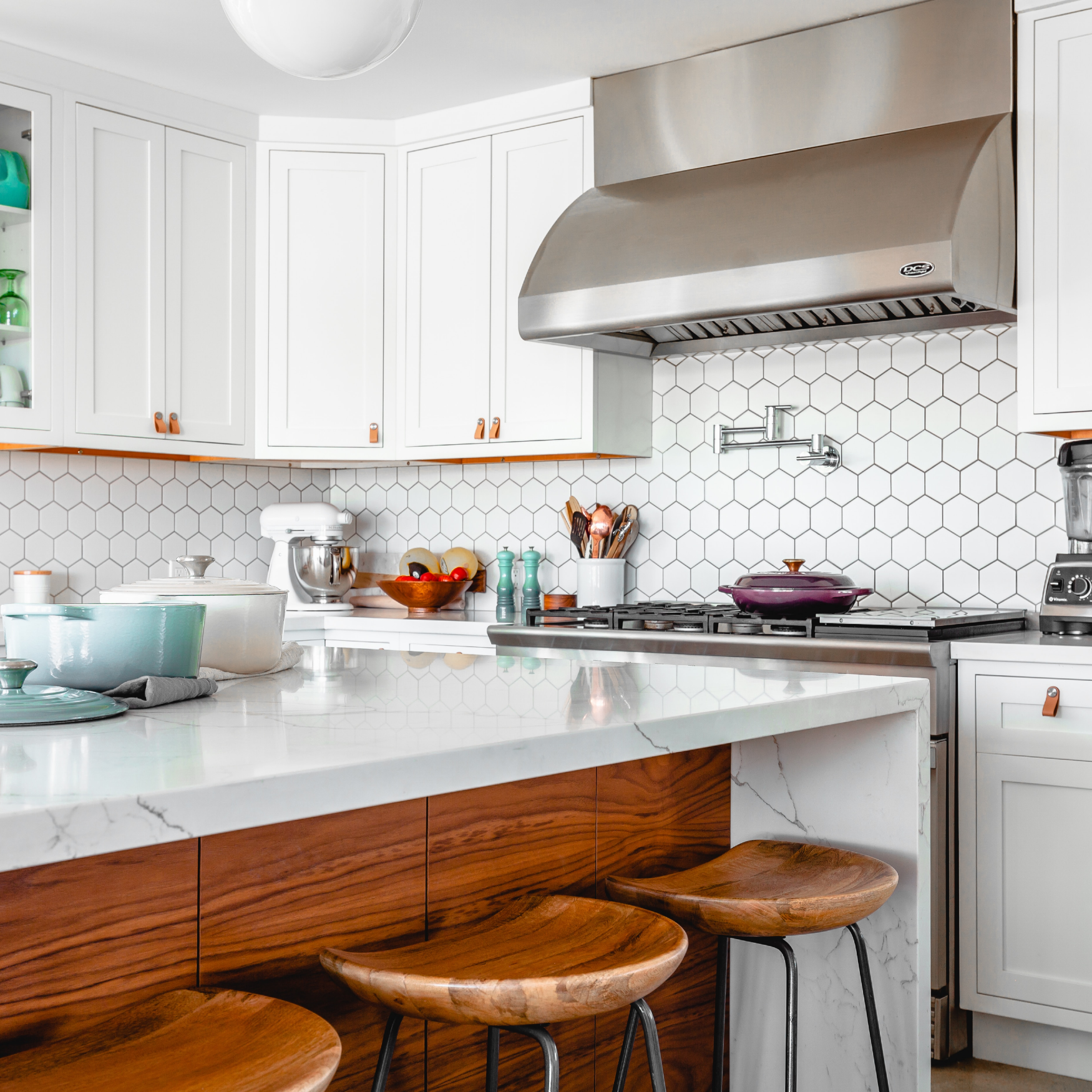
What’s Trending in Kitchens for 2022?

The kitchen is the heart of the house where everyone congregated during the pandemic, and it’s still the go-to room for multiple functions—that means it keeps changing.

The kitchen became an even more significant heart of the home during the pandemic as the focal point for gathering, working, entertaining, and, of course, cooking, says Joe Fava, CEO of Fava Design Group in Miami. Now, homeowners are putting more into their kitchen space—literally. They’re buying larger refrigerators, freezers, and sinks, and second dishwashers and ovens, he says.

Homeowners are entertaining and cooking even more at home, and the price tag reflects their exuberance. Those who can afford to do so spend upwards of $100,000 on kitchen upgrades. But your clients don’t have to pay that much to get a kitchen they love. Much smaller, less costly improvements can make any kitchen more appealing.

Read more…

Source: Realtor® Magazine