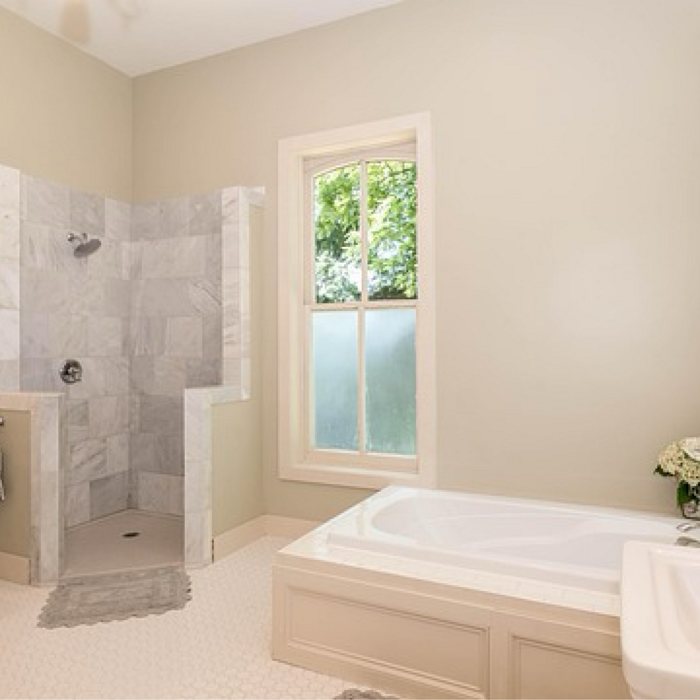
Check out family-friendly showers and “future-proofing,” and what the latest home trends tell us about people’s approach to bathing.
Check out family-friendly showers and “future-proofing,” and what the latest home trends tell us about people’s approach to bathing.
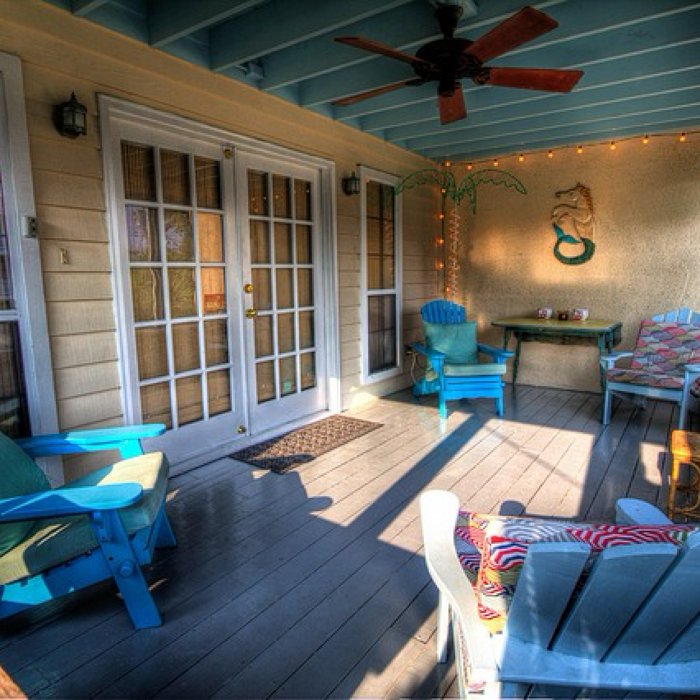
When it comes to tackling your outdoor living spaces, it’s always important to think about how they function for daily use, entertaining, and year-round living. Selecting the right materials that can stand up to the weather (and pollen!) is also key to a long-lasting outdoor spot.
Here are 7 secrets that’ll help you make the most out of your outdoor living area—plus a few extra tips—from Southern interior and landscape design pros.

Interior designers are embracing a range of trends for spring 2025, including furniture with softer outlines, buttery yellows, polished nickel accents and customized kitchens with unique materials.

The housing market of 2024 mirrored some striking similarities to 1995, marking the lowest existing-home sales in nearly 30 years. However, the real estate landscape has changed dramatically.

Home prices finished 2024 strong, NAR data shows. But in the last five years alone, median home prices have jumped 50%.
Property owners are getting richer as home prices prove resilient against lower home sales. Nearly 90% of metro areas registered home price increases in the final quarter of 2024, according to the latest housing data from the National Association of REALTORS®. Fourteen percent of the 226 metros NAR tracks posted double-digit price gains, up from 7% in the third quarter.

Artificial plants can be a practical alternative to real ones, especially in spaces with limited sunlight or for people who travel frequently, according to interior designer Laetitia Laurent. Designer Erica McLain suggests using preserved or dried botanicals as a more authentic option and advises choosing faux plants that mimic natural imperfections and pairing them with natural elements, such as stones and raw woods.
Homeowners are embracing bold and rich colors for kitchen paint in 2025, moving away from traditional whites and neutrals.
While warm whites and classic neutrals will always be a kitchen staple, this year we’ve seen more colorful kitchens than ever before. It’s almost like homeowners are shunning the strict rules of resale value and allowing their personality to shine in the more functional areas of their homes. But we also understand that painting your space a striking sunshine yellow or verdant green isn’t for everyone—this is why we tapped top interior designers to reveal what kitchen paint color trends their clients are actually asking for right now.

This graph shows how the price of homes have evolved over the last 30 years in a few key counties in the Pacific Northwest.
For many years, NWMLS has been tracking a variety of metrics each month in counties within its service area. One of these monthly metrics is Median Sale Price, which is the middle point in the price distribution of homes sold that month, meaning half of the sold properties were priced higher, and half were priced lower. Median Sale Price is considered a more accurate representation of the market than average sale price, as it is less affected by outliers.

With summer coming to a close, we’re back to the season of early mornings, school buses, backpacks, and busy schedules. As your family prepares for the academic year, now is the perfect time to create a productive study space that keeps your kitchen counter free from overflowing homework and school supplies.
Here are four tips for setting up an inspiring study area that blends comfort, functionality, and personality to boost focus and motivation.
After a long day in the classroom, the last thing your child needs is an uncomfortable study environment.
To maximize comfort while prioritizing work efficiency, invest in a cushy chair with good back support. Add a cozy throw blanket as cooler weather approaches. Up the ambiance with a calming scented candle and soft music – like songs from minimalist, classical, piano, or low-fi genres – to maintain focus, enhance relaxation, and avoid distraction.
Fill desk drawers with pencils, pens, markers, sticky notes, paper, flashcards, and notebooks. This can make for interactive note taking, and will help ease stress when it comes to last-minute projects and assignments. Keep school supplies organized with things like drawers, bins, pencil holders, and a file organizer.
It’s no surprise that technology has become increasingly prominent in the classroom. According to a 2023 survey from ZipDo, 89% of K-12 teachers incorporate educational technology in their classrooms daily. Therefore, consider making technology more efficient in the study space. This could include adding extra chargers, headphones, extension cords, a printer, or even a computer monitor to make switching between tabs seamless, especially when studying for a big test.
Good lighting is essential to productivity as well as mood. Ensure your child’s study space is well-lit to help them stay focused and energized while completing their homework. Place the desk by a window for natural light and add a lamp nearby to brighten the area at night.
Consider color-changing lightbulbs that easily adjust from bright white light, which is energizing and enhances focus, to warmer, yellow-toned light, which creates a relaxing atmosphere for winding down after study sessions.
A designated study area that reflects your child’s personality can make a significant difference in their productivity and contentment. Make it an enjoyable place they love spending time in – and check with them while decorating so they have a hand in curating their special space.
Add floating shelves to display photos, favorite books, inspirational quotes, achievements, and artwork. This keeps the desk area free of clutter while still showcasing their personality. Hang up a calendar or planner nearby to help keep track of assignments and deadlines. Then, add fun elements like pops of color, wallpaper, house plants, and more. The key is to create a zone that’s both organized and inviting, combining creativity with efficiency.
Looking for an A+ home of your own – one with ample study space? Contact me today!
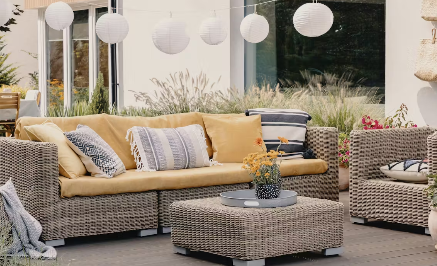
Staying local this season? Here’s a few ways to create a lovely staycation in your own yard.
Summer is a favorite time for a relaxing vacation – and avoiding plane flights or long car rides can create an even more restful experience. For many, the perfect destination is the closest one: Home.
Consider these ways to create the ultimate staycation spot in your own yard this summer.
Chances are, you’ll want to spend a lot more time in your yard if your outdoor furniture is comfortable. Grab some resort-like lounge chairs or upgrade upright chairs with weather-proof cushions.
Other ideas? Opt for a hanging egg chair, traditional hammock, or swing. Sway about as you soak up the sun, catch some ZZZs, or get lost in a good read.
Having a way to spend time outdoors without getting too much sun is important. Try implementing an umbrella or shade covering over your designated lounge space.
For a more permanent solution, consider adding a pergola in your yard. Not only do they provide some coverage by day – especially with cover functionality built in – but they can also be a good place to hang string lights for a twinkle at night.
Your outdoor space can be a place of rest – or, it can be a place of competitive fun. This summer, set up your favorite games (depending on how much space you have to work with) and host a game day with family and friends.
A few classics:
• Badminton
• Cornhole
• Kan Jam
• Giant Jenga
• Croquet
• Spikeball®
• Kubb
Spend summer nights cozied up around a fire in your very own yard. Whether it’s wood burning or gas, a variety of sizes and shapes can fit various spaces. Tabletop options work for those who want the essence of a bonfire – but on a micro-level.
Be sure to abide by local fire regulations and implement best safety practices when using your fireplace.
When you’re on vacation, you may seek out your favorite sweet snacks. So do the same thing on your staycation! Stock the freezer – or patio cooler cart – with your favorite summertime treats, like ice pops, ice cream sandwiches, refreshing beverages, and more. Or, DIY the ice cream parlor experience at home with pints in fun flavors, cones, and toppings. Plus, if you have a fire pit, don’t forget to grab all the fixings for ooey-gooey s’mores.
Other essential supplies include sun protection (SPF cream, hats and visors, etc.), bug repellant spray (or citronella candles), unbreakable dishware, grilling supplies, and pool floats if applicable.
Time to set the scene for a seasonal oasis. In addition to the string lights mentioned above, find fun ways to add color and personal flair to your outdoor oasis. Add a weatherproof rug to help frame a seating area, and add bright hues with potted flowers dotted about.
Doing some yard maintenance will freshen up the space, too, like regular mowing and watering of the lawn, and plucking of weeds from garden beds. Plus, add a fresh coat of mulch or rocks, or even new bushes and plants, to change up the overall look. In some places – like dryer climates – some people opt to xeriscape their yard, saving on water usage and getting creative in the design process.
Looking for a new home this summer? Contact me today!
 Managing The Real Estate Details